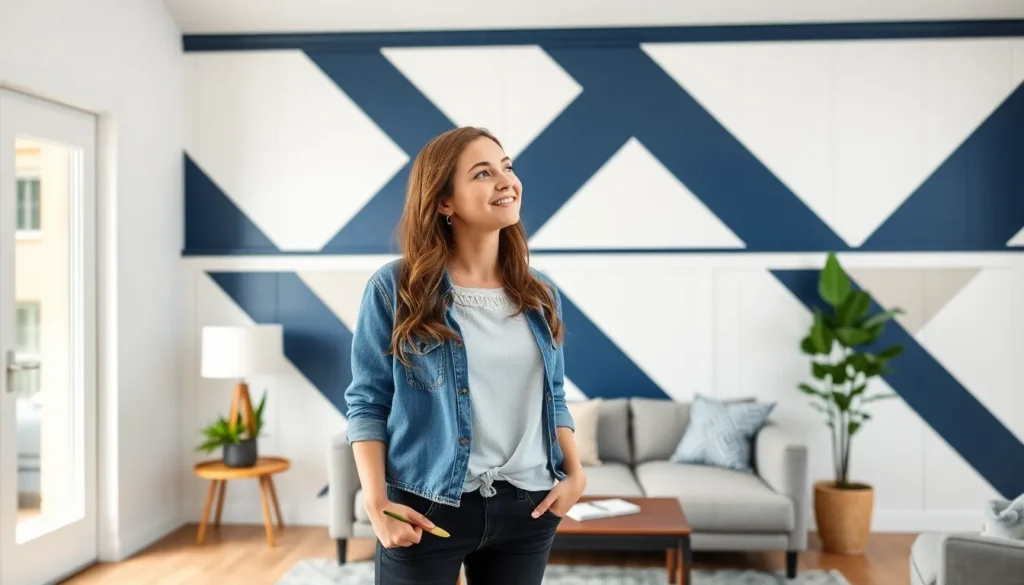
Looking to transform a plain room into an architectural masterpiece? A board and batten accent wall might be exactly what you need. This classic design technique adds texture, dimension, and character to any space without requiring a complete renovation or very costly.
We’ve gathered the most stunning board and batten accent wall ideas that’ll elevate your home’s interior design. Whether you’re drawn to traditional vertical patterns, modern geometric layouts, or painted statement walls, there’s a board and batten style that’ll complement your existing décor perfectly. These accent walls aren’t just visually appealing—they’re also DIY-friendly projects that can dramatically change your space in just a weekend.
What Is a Board and Batten Accent Wall?
A board and batten accent wall is an architectural wall treatment that combines flat boards with thin strips of wood (battens) to create a textured, dimensional surface. This design technique originated as an exterior siding method but has evolved into a popular interior design element that adds character and visual interest to spaces. Board and batten walls typically feature wide panels (boards) with narrow wooden strips (battens) placed over the seams or in geometric patterns.
The classic board and batten style involves installing vertical battens at regular intervals over a flat surface, creating a traditional wainscoting or full-wall treatment. Modern interpretations have expanded to include horizontal layouts, grid patterns, and even custom geometric designs that serve as striking focal points in any room.
Board and batten walls differ from shiplap and other wall treatments because of their distinctive dimensional quality. While shiplap creates a subtle, horizontal lined effect, board and batten provides more pronounced texture and shadow lines that add important depth to your space.
Most homeowners choose board and batten for accent walls because it offers a perfect balance of visual impact and practicality. These walls can transform plain, flat surfaces into architectural features without requiring structural changes or extensive renovations.
Materials for board and batten walls typically include MDF (medium-density fiberboard), pine boards, or other wood products that can be easily cut, installed, and painted. The versatility of these materials allows for customization in terms of batten width, spacing, and overall design to match any decorating style from farmhouse to contemporary.


10 Classic Board and Batten Accent Wall Ideas for Your Living Room
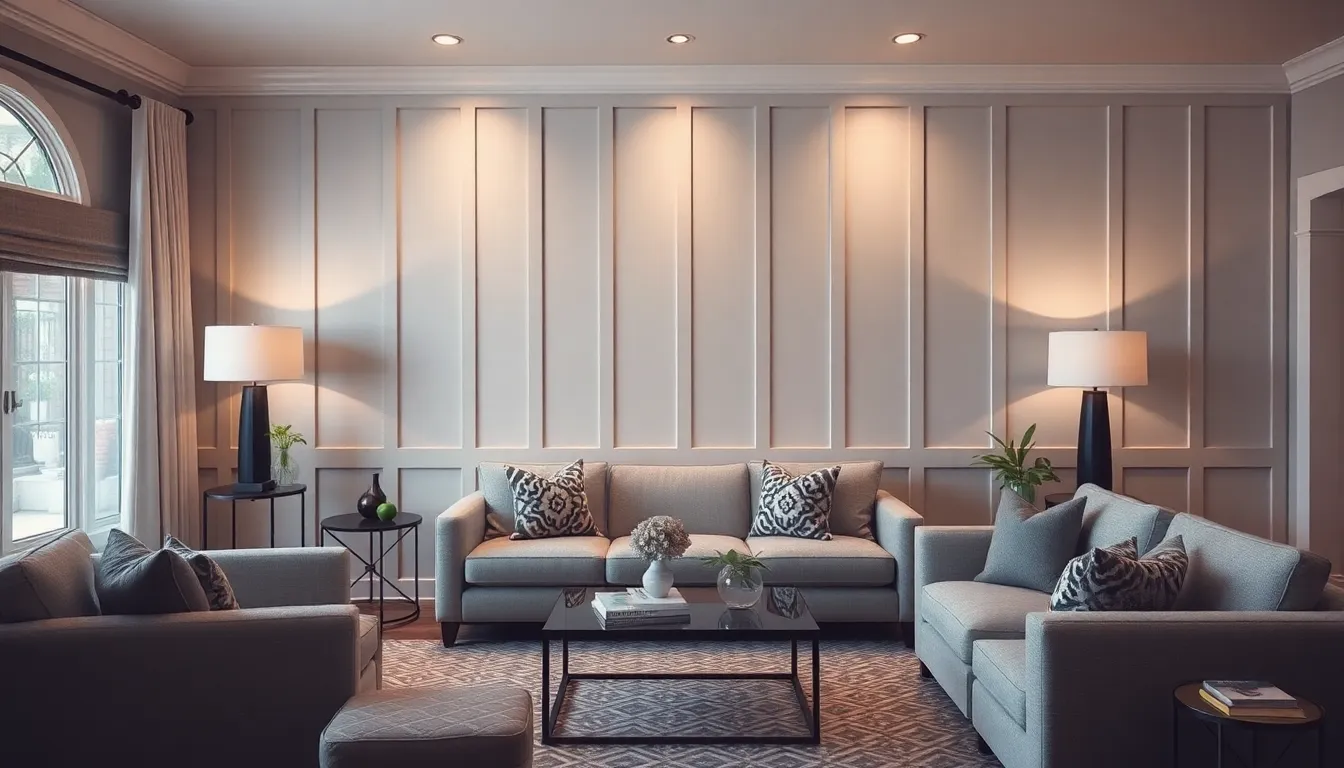
Looking to add architectural interest to your living room? Board and batten accent walls offer a perfect blend of texture, dimension, and timeless appeal. Here are ten classic approaches to inspire your next weekend project.
Full Wall Board and Batten
Full wall board and batten treatments transform your entire living room wall into a striking focal point. This comprehensive approach creates a cohesive, textured look that draws the eye immediately upon entering the space. The complete coverage adds substantial architectural character to otherwise plain walls, making the room feel more finished and intentionally designed. When painted in a single color, full wall treatments create a sophisticated, unified appearance that can make your living room feel larger and more polished.
Half-Wall Board and Batten Wainscoting
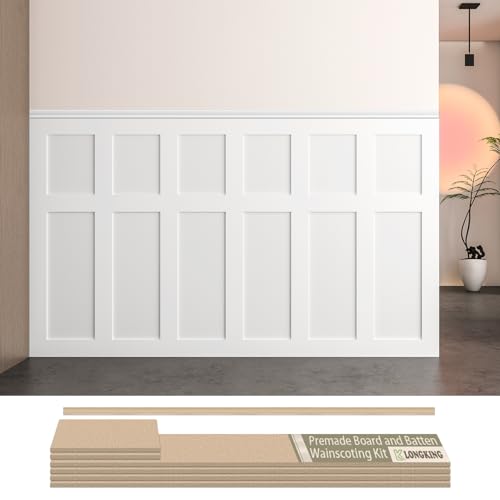
Half-wall board and batten wainscoting delivers classic charm while creating visual separation within your living room. This style typically extends about three-quarters up the wall height, creating a traditional wainscoting effect that works beautifully in both contemporary and traditional settings. The partial coverage allows for creative two-tone color applications, where you might paint the lower portion in a bold hue while keeping the upper section neutral. Many homeowners find this approach particularly effective for protecting walls in high-traffic living areas while adding architectural interest without overwhelming the space.
Geometric Pattern Board and Batten
Geometric pattern board and batten designs inject modern flair into this traditional wall treatment technique. Arranging battens in distinctive patterns such as chevrons, diamonds, or herringbone creates a custom, artistic element that serves as true statement decor. The angular arrangements add visual movement to your living room, directing the eye across the wall in intentional patterns. Contemporary homes benefit particularly from this approach, as the unexpected geometric configurations update the classic board and batten concept for today’s design sensibilities.

8 Modern Board and Batten Bedroom Wall Designs
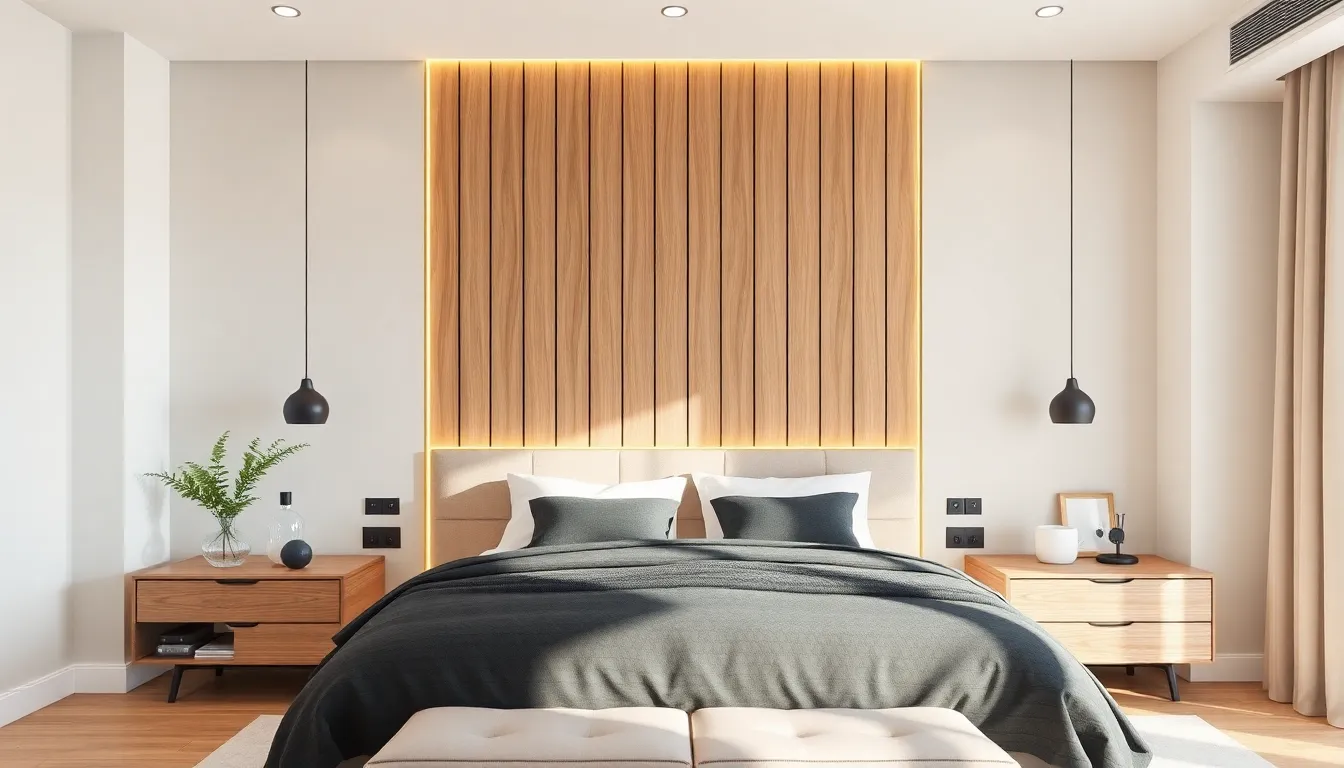
Transform your bedroom into a stylish sanctuary with these contemporary board and batten wall designs. These architectural elements add texture and dimension while creating a focal point that elevates your space.
Headboard Wall Statements
Creating a board and batten accent wall behind your bed serves as a stunning alternative to traditional headboards. Vertical board and batten installations make particularly striking statements, drawing the eye upward and adding height to the room. The structured pattern provides architectural interest that transforms plain walls into designer showcases. For maximum impact, consider extending the treatment to the ceiling or painting the battens in a color that contrasts with your bedding for a cohesive design statement.
Thin Batten Minimalist Designs
Slim battens offer a sophisticated, contemporary approach to the classic board and batten technique. These narrower wooden strips create subtle texture without overwhelming the space, perfect for modern aesthetic bedrooms. Neutral color palettes like whites, grays, or soft beiges enhance the minimalist vibe while maintaining visual interest through the textural elements. This design works exceptionally well in smaller bedrooms where thicker battens might feel too heavy or imposing.
Painted Insert Panels
The spaces between battens provide perfect canvases for creative color applications. Contrasting insert panels create ever-changing visual interest that can completely transform a bedroom’s atmosphere. Try painting the inserts in a deeper shade than the battens for a sophisticated dimensional effect. Alternatively, a monochromatic scheme using slight variations in tone creates subtle elegance that enhances the architectural details. This approach allows you to incorporate accent colors that complement your bedroom decor without overwhelming the space.
Diagonal Patterns
Break away from traditional vertical layouts with diagonal board and batten patterns that add movement and energy to bedroom walls. These ever-changing geometric elements create unique visual flow that guides the eye across the room. Diagonal installations work particularly well on feature walls opposite the bed, creating an interesting focal point that doesn’t compete with your headboard area.
Full Wall Treatments
Extend board and batten across an entire wall for maximum impact in spacious bedrooms. Full wall treatments create a sense of cohesion while providing important architectural interest even in newer construction homes lacking built-in character. This comprehensive approach transforms plain bedrooms into luxurious retreats that feel custom-designed and thoughtfully finished.
Color Blocking Techniques
Incorporate modern color theory by dividing your board and batten wall into distinct color zones. Apply contrasting colors to upper and lower portions separated by a horizontal batten for a contemporary look. This technique allows you to incorporate bold accent colors without overwhelming the space, creating visual interest that complements your bedroom furniture and accessories.
Textured Paint Applications
Enhance board and batten walls with textured paint techniques that add another dimension to your bedroom design. Subtle textures like lime washing or Roman clay applications between battens create depth and visual interest beyond simple color differences. These specialized finishes catch light differently throughout the day, creating a living surface that changes with natural lighting conditions.
Integrated Lighting Features
Incorporate LED strip lighting within or behind board and batten structures for dramatic nighttime effects. Strategic lighting placement creates beautiful shadow patterns that highlight the architectural details while providing ambient illumination. This modern approach combines traditional woodworking with contemporary technology for a truly unique bedroom feature that serves both decorative and functional purposes.
7 Creative Board and Batten Ideas for Small Spaces
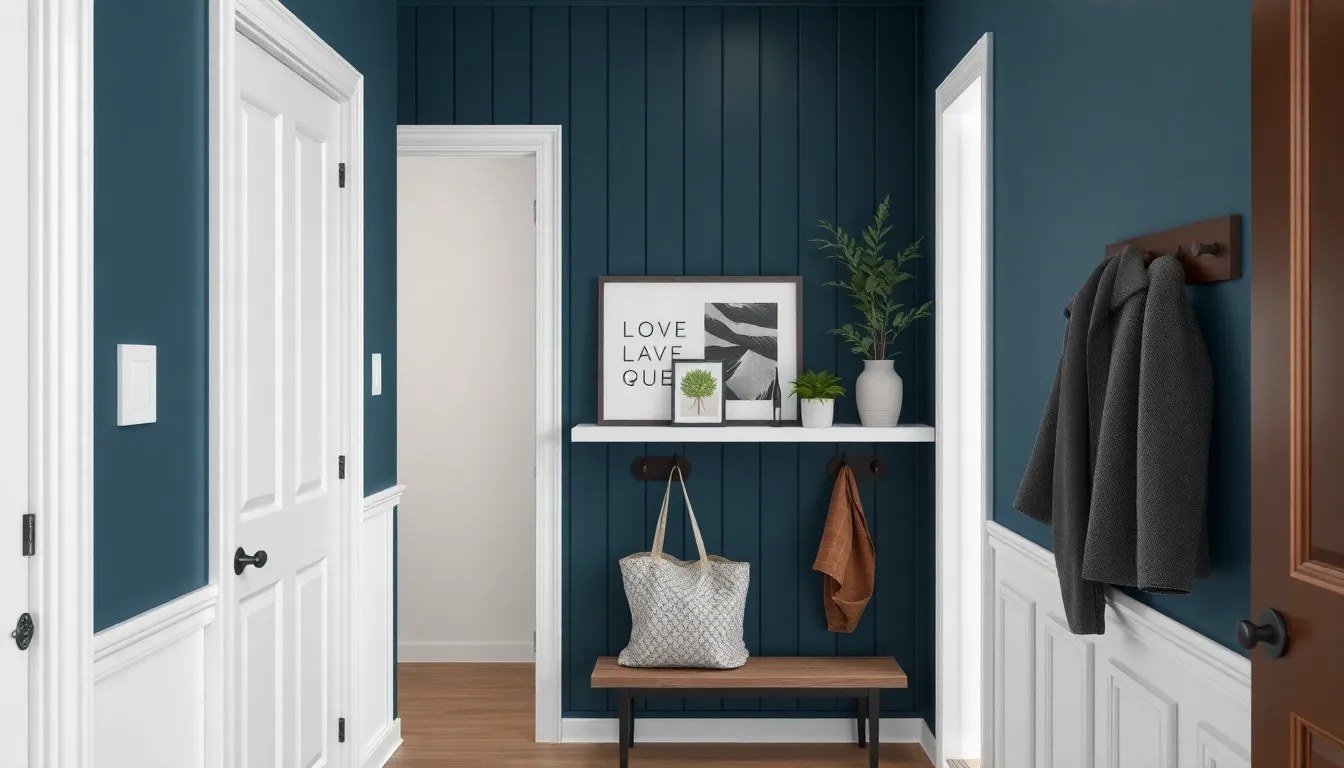
Small spaces present unique design challenges, but board and batten accent walls can transform these areas into stunning visual features while maximizing their perceived size. Here are seven creative approaches perfect for compact rooms, hallways, and nooks.
1. Modern Dark Accent Wall
Modern board and batten walls featuring bold, dark colors like deep teal blue create dramatic impact in small spaces. Pairing these rich hues with fresh white above the battens establishes striking contrast that draws the eye while adding architectural interest. This technique works particularly well in compact reading nooks or office spaces where you want to create a focal point without overwhelming the room.
2. Narrow Batten Design
Narrow-spaced battens work exceptionally well in small areas, creating an illusion of expanded space through their vertical rhythm. This style covers entire walls effectively and suits compact mudrooms or laundry spaces perfectly. The thin vertical lines establish a subtle texture that adds depth without visually crowding the room.
3. Faux Board and Batten
For truly tight spaces, faux board and batten offers a clever solution. Pairing slats together in non-traditional arrangements creates unique patterns that add interest without bulk. Finishing with vibrant colors helps draw the eye upward, making ceilings appear higher and rooms feel more spacious than they actually are.
4. Shelf-Integrated Design
White board and batten walls with integrated shelving deliver both style and functionality in limited square footage. Adding a single floating shelf to your accent wall creates display space for artwork, plants, or decorative items without requiring additional furniture pieces that would crowd the floor area.
5. Vertical Orientation
Vertical board and batten arrangements specifically help small spaces with low ceilings feel more expansive. The upward-pointing lines naturally draw the eye toward the ceiling, creating a visual stretching effect that makes compact rooms feel taller and more open. This technique proves especially effective in basement rooms or attic spaces with height limitations.
Narrow Hallway Applications
Hallways present perfect opportunities for board and batten installations that transform often-overlooked transitional spaces. Vertical battens work particularly well here, creating rhythm that draws the eye along the passageway while making narrow corridors appear longer and more architecturally interesting. Consider painting the battens in a slightly darker shade than the wall color to create subtle dimension without overwhelming the confined space. Adding picture ledges between battens provides display opportunities without protruding too far into the walkway.
Entryway Statement Walls
Entryways benefit tremendously from board and batten treatments that establish a strong first impression even though limited square footage. Bold color choices like navy blue or forest green paired with crisp white trim create dramatic impact immediately upon entering the home. Installing hooks directly onto battens adds functional storage for coats and bags while maintaining the design’s clean lines. This application works equally well in apartment entries or small foyers where space-saving answers matter most.
Bathroom Board and Batten Accents
Bathrooms with minimal square footage gain important character through board and batten installations. These architectural elements add texture and interest to otherwise plain walls while resisting moisture better than wallpaper alternatives. Functional hooks can be mounted directly to battens for hanging towels and robes, eliminating the need for bulky storage furniture. Half-wall applications work particularly well in bathrooms, allowing you to create a wainscoting effect that protects lower walls from splashes while adding sophisticated style to even the smallest powder rooms.
6 Colorful Board and Batten Accent Wall Inspiration
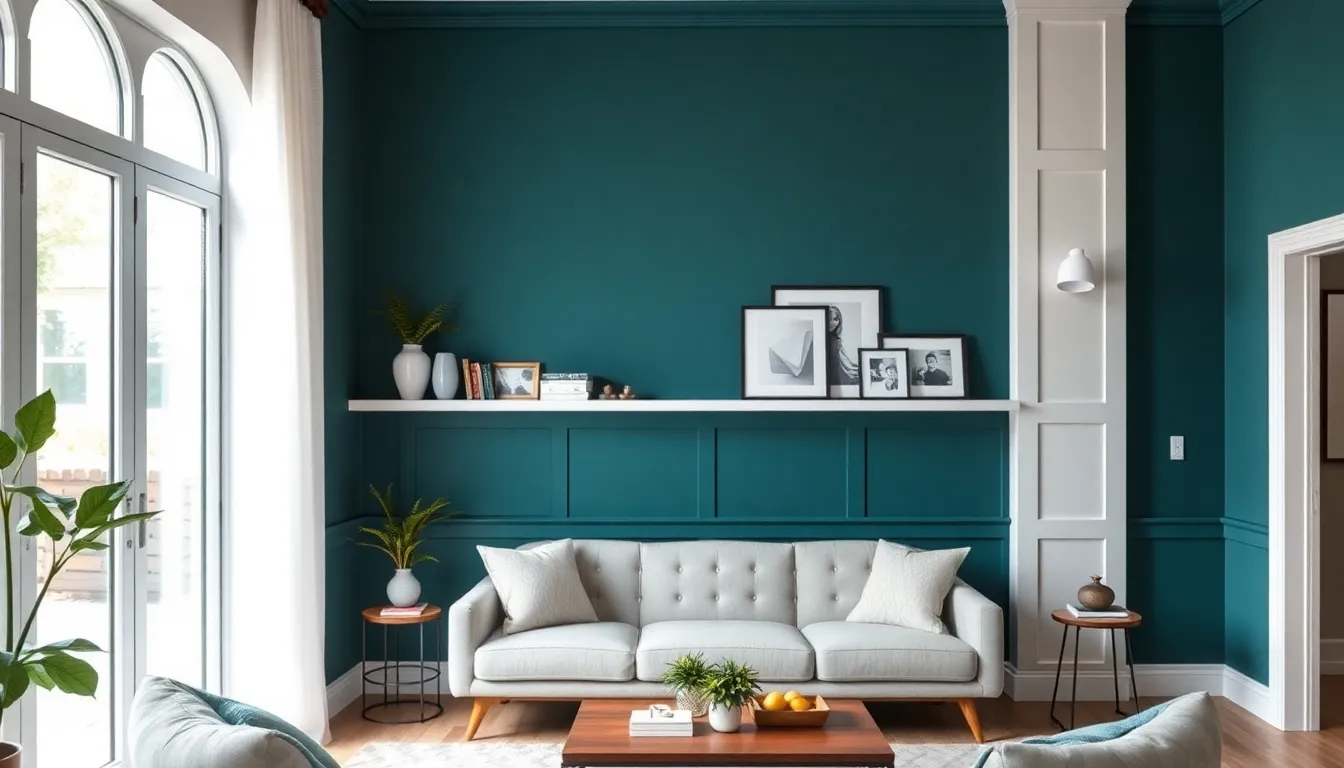
Adding color to your board and batten accent wall can transform the entire feel of a room, taking it from simple to stunning with just a coat of paint. We’ve gathered six inspirational approaches to help you create a colorful statement wall that perfectly complements your space.
Vibrant Statement Colors
Incorporating bold, vibrant colors like teal, green, or blue creates a modern twist on traditional board and batten walls. Dark teal blue board and batten paired with fresh white above offers a striking contrast that works beautifully in bathroom makeovers. These statement colors add personality and depth to any room without overwhelming the space when balanced with neutral elements.
Bold Contrasting Colors
Pairing dark battens with light boards creates visual interest that immediately draws attention. This high-contrast approach defines the architectural details of your wall and makes the pattern stand out dramatically. Texture can be emphasized by combining smooth boards with slightly textured battens, adding another dimension to the contrast beyond just color. Many homeowners find that black battens against a white background create a sophisticated, contemporary look that complements both modern and traditional décor styles.
Monochromatic Board and Batten
Using different shades of the same color creates a refined, cohesive look that adds subtle dimension to your space. This approach offers a sophisticated appearance without overwhelming smaller rooms or competing with other design elements. Monochromatic schemes work particularly well in bedrooms and living rooms where a serene atmosphere is desired. Paint companies offer color cards specifically designed to help select complementary shades within the same color family, making this design approach accessible even for DIY enthusiasts.
Two-Tone Pattern Designs
Alternating between two contrasting colors establishes a visually appealing pattern that adds rhythm to your wall design. This technique works wonderfully with both vertical and horizontal board and batten layouts, allowing you to visually alter the room’s perspective. Vertical patterns can make ceilings appear higher, while horizontal designs can make a room feel wider. Playing with color placement creates custom effects that reflect your personal style while adding architectural interest to otherwise plain walls.
Accent with Neutrals
Combining vibrant board and batten sections with neutral tones creates balance and prevents the color from overwhelming the space. This technique allows you to incorporate bold colors without committing to an entirely vivid room. Many designers recommend using the 60-30-10 rule, where your neutral tone covers 60% of the space, your secondary color covers 30%, and your accent color (the boldest) covers just 10% for perfect visual harmony.
Integrated Storage Answers
Adding a shelf within your colorful board and batten design creates both practical storage and display opportunities. These integrated shelves offer perfect platforms for decorative art, family photos, or everyday accessories. The contrast between the functional shelf and the decorative wall treatment enhances both elements, making this approach particularly suitable for living rooms and entryways. Painting the shelf to match or contrast with the board and batten further emphasizes this thoughtful design detail.


DIY Board and Batten Wall Installation Tips
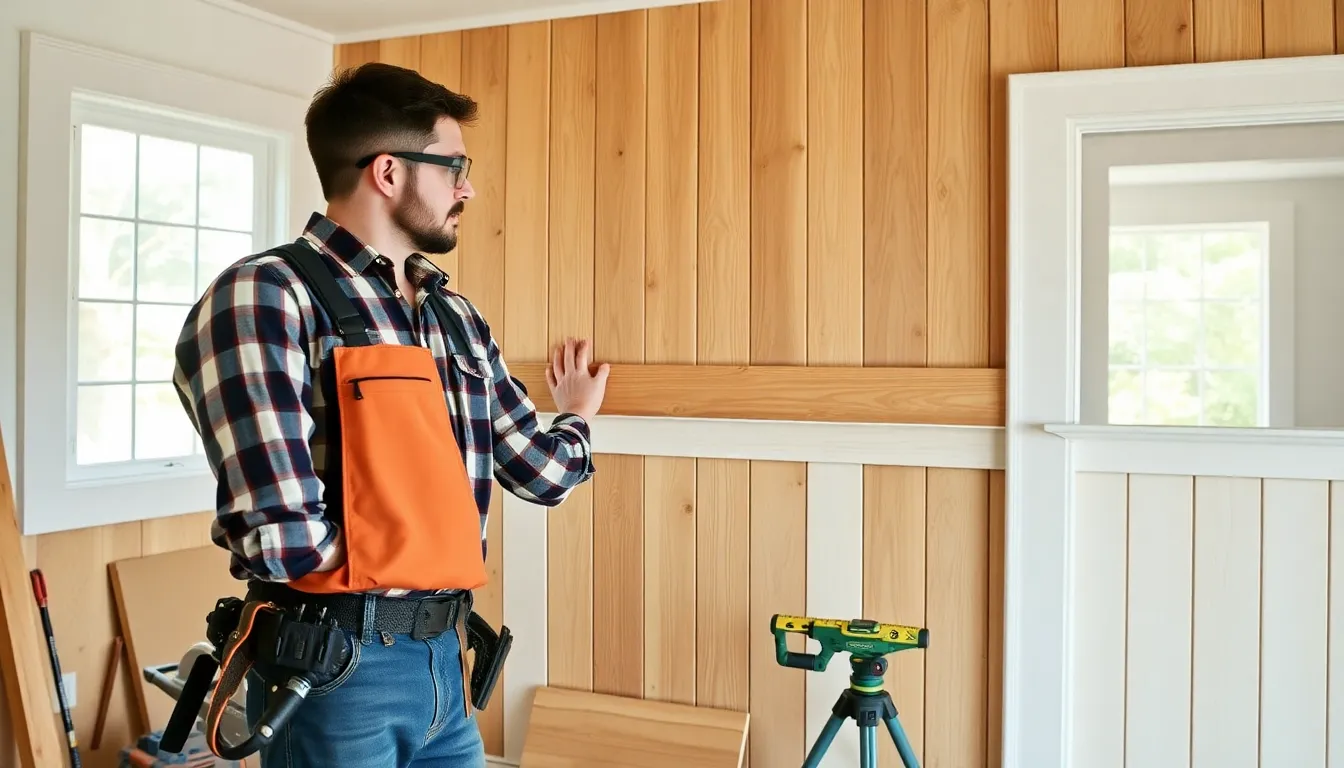
After exploring many design ideas, you might be ready to tackle this project yourself. Creating a board and batten accent wall is a manageable weekend project that can dramatically transform your space when you follow these practical guidelines.
Tools and Materials Needed
Gathering the right supplies before starting your board and batten project will save you time and frustration. You’ll need 1×4 and 1×2 boards for the main structure, along with baseboard trim to create a polished finish. Purchase 1¼-inch finish nails for secure attachment and construction adhesive (such as Liquid Nails) for additional strength. Essential tools include a level to ensure straight lines, stud finder to locate wall supports, miter saw for precise cuts, and a pry bar for removing existing baseboards. Remember to remove any existing baseboards before beginning your installation for a seamless final result.
Step-by-Step Installation Process
- Prepare the wall by carefully removing existing baseboards. Score the caulk seams with a utility knife and use your pry bar to gently separate the baseboards from the wall without causing damage.
- Install the horizontal board approximately 48-55 inches from the floor, depending on your ceiling height and preferred proportions. Mark a level line at your chosen height, then secure a 1×4 board along this line using both adhesive and nails driven into wall studs for maximum stability.
- Space your battens evenly by dividing your wall width by the number of sections you want. Most designs use 12-24 inch spacing between battens. Mark these positions clearly and cut your 1×4 boards to the appropriate height for vertical installation.
- Attach the battens by applying construction adhesive to the back of each vertical board, positioning them according to your marks, and securing with finish nails. Check alignment with your level throughout this process to maintain a professional appearance.
- Add top trim by securing a 1×2 board along the top edge of your horizontal board. This creates a finished ledge detail that elevates the overall design and provides a perfect finishing touch.
Common Mistakes to Avoid
Ignoring studs during installation is a critical error that compromises the stability of your entire board and batten wall. Always anchor your horizontal boards directly to wall studs for long-lasting results. Uneven spacing between battens creates visual imbalance that draws attention for all the wrong reasons. Measure carefully and use a level consistently to maintain precise alignment throughout your installation. Skipping adhesive might seem like a time-saver, but relying solely on nails often leads to loose boards over time. Construction adhesive provides crucial additional support that ensures your beautiful accent wall remains secure for years to come.
Styling Your Board and Batten Accent Wall
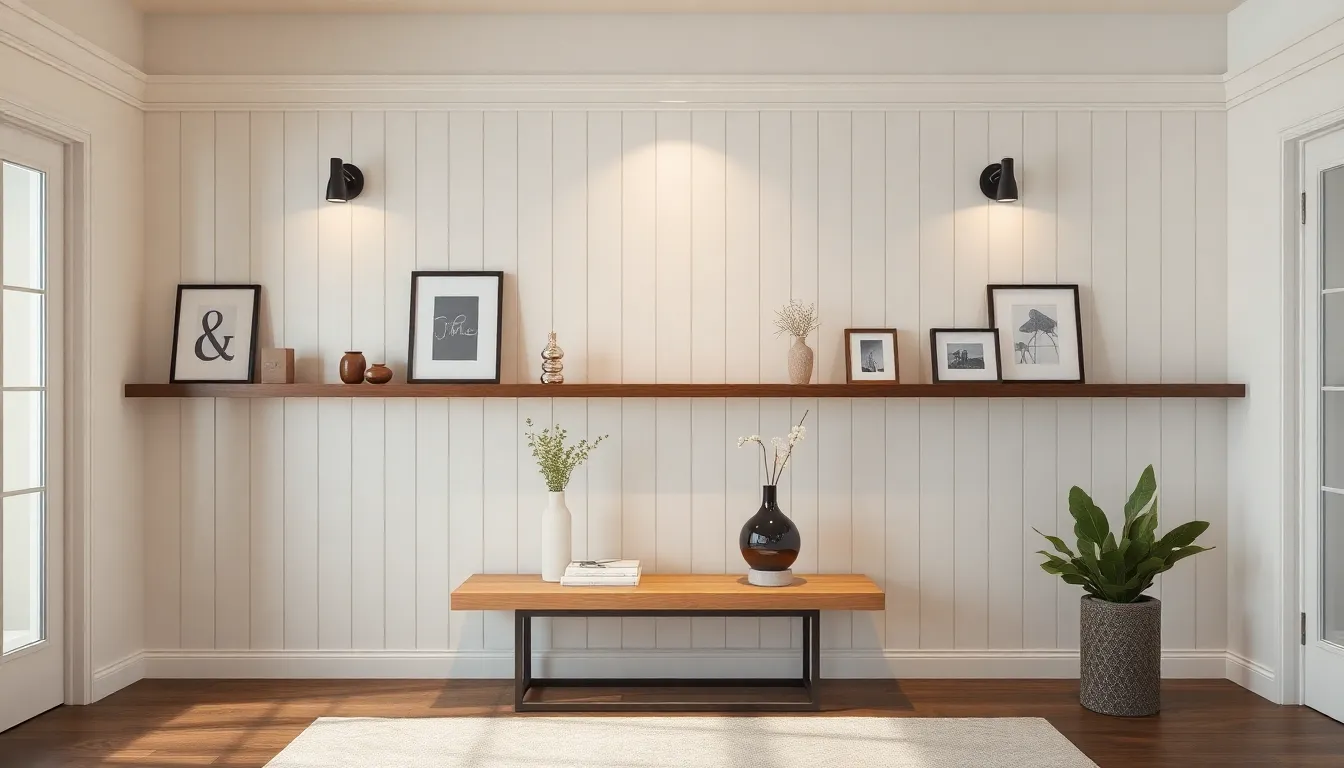
Once you’ve installed your beautiful board and batten accent wall, the next step is to style it properly to maximize its impact. The right furniture, décor, and lighting choices can dramatically enhance the visual appeal of your new architectural feature.
Complementary Furniture Placement
Strategic furniture placement emphasizes the vertical lines and structured design of board and batten walls. Position low-profile benches or console tables against the wall to create a balanced visual relationship with the battens. Floating shelves work exceptionally well with board and batten walls, allowing the geometric patterns to remain visible while adding functionality. For mudrooms with board and batten treatments, built-in benches or cubbies installed beneath the wall treatment provide practical storage while maintaining design cohesion. Furniture with clean lines complements the organized appearance of board and batten, creating a harmonious look throughout the space.
Art and Décor Considerations
Artwork selection plays a crucial role in complementing your board and batten accent wall. Integrate shallow shelves between battens where you can lean framed art pieces rather than hanging them, creating a casual yet sophisticated display as showcased in Brepurposed Design’s olive-and-white contrast wall. Bathroom board and batten walls benefit from strategically placed hooks for towels positioned above the treatment, adding functionality without compromising style. Modern board and batten walls in dark teal or olive-green pair beautifully with minimalist wall art that doesn’t compete with the geometric pattern. Decorative objects should be chosen carefully—select items that enhance rather than overwhelm the textural interest already provided by the board and batten design.
Lighting to Enhance Your Accent Wall
Lighting dramatically impacts how your board and batten wall is perceived in the space. Wall sconces mounted directly on the batten treatment cast interesting shadows that highlight the dimensional aspect of the design. Recessed lighting positioned to wash down the wall surface accentuates the depth and texture created by the battens. Mudrooms benefit from statement pendant lights installed above board and batten treatments, striking a perfect balance between functionality and aesthetic appeal. Subtle lighting approaches generally work better than harsh, direct illumination, which can flatten the dimensional effect that makes board and batten so appealing. Dimmable lighting options allow you to adjust the ambiance and control how prominently the wall’s texture appears at different times of day.
Conclusion: Making the Most of Your Board and Batten Accent Wall
Board and batten accent walls offer endless possibilities to transform any space in your home with relatively modest effort and expense. From classic vertical patterns to bold geometric designs we’ve explored how this versatile technique adapts to rooms of all sizes and styles.
Whether you’re looking to create a dramatic statement in your living room enhance your bedroom’s character or add dimension to small spaces the right board and batten design can completely reinvent your interior. With the DIY tips and styling recommendations we’ve provided you’re now equipped to tackle this project with confidence.
Remember that good planning thoughtful color selection and proper installation are the keys to success. We’re confident that your board and batten project will quickly become your home’s most impressive feature!
Frequently Asked Questions
What is a board and batten accent wall?
A board and batten accent wall is an architectural treatment that combines flat boards with thin strips of wood (battens) to create a textured, dimensional surface. Originally used as exterior siding, it has become a popular interior design element that adds character and visual interest to rooms without requiring structural changes.
How much does a DIY board and batten wall cost?
A DIY board and batten wall project typically costs between $100-$300 for a standard room, depending on the materials chosen and wall size. Using MDF is more budget-friendly than solid wood, while paint and supplies add to the total. This makes it one of the most affordable ways to dramatically transform a space.
What materials do I need for a board and batten wall?
The essential materials include 1×4 boards for horizontal pieces, 1×2 boards for battens, baseboard trim, finish nails, construction adhesive, caulk, wood filler, primer, and paint. You’ll also need tools like a miter saw, level, stud finder, measuring tape, nail gun, and sander for proper installation.
How long does it take to install a board and batten wall?
A typical board and batten wall installation takes about 1-2 days for a DIY enthusiast. The first day involves measuring, cutting, and installing the boards and battens. The second day is usually dedicated to caulking, filling nail holes, sanding, priming, and painting. With proper planning, it’s a manageable weekend project.
What’s the difference between board and batten and shiplap?
Board and batten features vertical or horizontal battens applied over flat boards, creating pronounced texture and depth. Shiplap consists of horizontal boards installed with a slight overlap, producing subtle shadow lines between each board. Board and batten offers more dimension, while shiplap provides a more streamlined, coastal look.
Can board and batten work in small spaces?
Absolutely! In small spaces, board and batten can create an illusion of height with vertical orientations or add visual interest without overwhelming the room using narrow battens. Painted in light colors, it can make spaces feel larger, while strategic designs like half-wall applications prevent the treatment from feeling too heavy.
What colors work best for board and batten walls?
Board and batten walls look stunning in virtually any color. White and neutral tones create a classic, timeless look that brightens spaces. Bold colors like navy, emerald, or charcoal add drama and sophistication. Two-tone approaches, with contrasting colors inside panel sections, can create artistic visual interest without overwhelming a room.
How do I style a board and batten accent wall?
Style your board and batten wall by strategically placing furniture that complements its lines, such as low-profile pieces for vertical patterns. Add carefully selected artwork or decorative objects that enhance rather than compete with the wall’s texture. Consider strategic lighting like wall sconces to highlight the dimensional quality of the treatment.
Is board and batten suitable for bathrooms?
Yes, board and batten is excellent for bathrooms when properly sealed with moisture-resistant paint or primer. It adds character while providing practical benefits like wall protection. For bathrooms, consider using moisture-resistant MDF or PVC boards instead of natural wood, and ensure all seams are properly caulked to prevent water damage.
What are common mistakes to avoid when installing board and batten?
Common installation mistakes include failing to secure boards to wall studs, inconsistent spacing between battens, skipping wall preparation, and not using both adhesive and nails. Also, many DIYers forget to account for electrical outlets, don’t allow wood to acclimate before installation, or rush through the finishing process with inadequate caulking and painting.