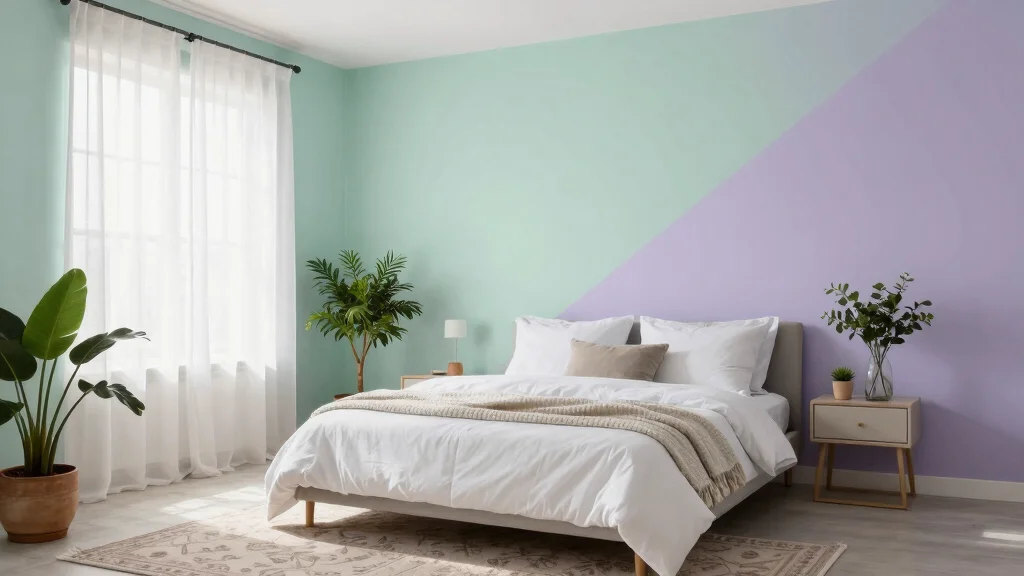
Creating a calming bedroom is essential for achieving better rest and rejuvenation. In today’s fast-paced world, many of us are seeking ways to escape and unwind. This post was crafted with the intention of guiding you through the process of selecting the perfect paint colors that evoke tranquility and serenity in your personal space. With a focus on eco-friendly options, I wanted to present choices that not only soothe the eye but are also kind to the planet.
If you’re someone who values a peaceful sanctuary at home, this guide is for you. Whether you’re a parent juggling busy schedules or a young professional trying to balance work and life, the colors in your bedroom play a significant role in how you feel. Here, you will discover 12 calming bedroom paint color ideas that can transform your space into a serene retreat, making it easier for you to relax and recharge.
Get ready to explore soothing paint colors, tranquil color palettes, and sleep-friendly hues that will help turn your bedroom into a place of calm and comfort. Each idea is designed to inspire your creativity while also providing insights into how these colors can enhance your overall well-being.
Key Takeaways
– Color can significantly impact your mood and sleep quality, making it crucial to choose the right hues for your bedroom.
– Eco-friendly paint options ensure that your calming space is also safe for the environment and your health.
– Each of the suggested colors brings its unique benefits, from promoting relaxation to enhancing creativity.
– Incorporating natural elements and textures can amplify the soothing effect of your chosen paint color.
– The right lighting can enhance the calming nature of your paint color, making it essential to consider both color and illumination in your decor.
How To Choose The Right Calming Bedroom Paint Color
1. Consider Your Mood: Different colors evoke different feelings. Soft blues can create a sense of calm, while gentle greens often bring a feeling of tranquility. Think about what mood you want to promote in your bedroom.
2. Assess Your Space: Analyze the size and lighting of your room. Darker colors can make a small room feel cozier, while lighter colors can help brighten up a dimly lit space.
3. Explore Eco-Friendly Options: Look for non-toxic, low-VOC (volatile organic compounds) paints. These options are better for your health and the environment, ensuring your serene space is safe.
4. Test Samples: Before committing to a color, paint a small section of your wall with samples. Observe how the color changes throughout the day with different lighting.
5. Use a Color Wheel: A color wheel can help you choose complementary shades. Pair calming colors with subtle accents to create a harmonious look.
Pro Tip: Always consider how the colors will look with your existing furniture and decor to ensure a cohesive design.
How Do Calming Colors Work?
Calming colors work by influencing our emotions and feelings through visual stimuli. Color psychology suggests that certain hues can create a soothing environment, ideal for relaxation and sleep.
1. Color Perception: The human brain perceives colors differently, often associating specific shades with feelings. For example, blues and greens are linked to nature and tranquility.
2. Psychological Effects: Colors can affect our brain chemistry. Soft hues may lower stress hormones, making you feel more at ease in your space.
3. Environmental Influence: The colors around you can influence your daily activity and overall mood. A calming bedroom hue can help signal to your brain that it’s time to rest.
4. Light Reflection: Light plays a crucial role in how colors are perceived. Natural light can enhance calming shades, while artificial light may alter their calming effects.
Best for: Those looking to create a serene atmosphere that promotes relaxation and peaceful sleep.




Last update on 2026-02-27 / Affiliate links / Images from Amazon Product Advertising API
How To Incorporate Calming Colors Into Your Bedroom
Tools You’ll Need:
– Paint samples
– Paintbrush and roller
– Painter’s tape
– Drop cloths
– Ladder (if needed)
Step 1: Prepare Your Space: Clear out furniture and cover the floor with drop cloths. ✔ Move items out of the way ✔ Protect flooring.
Step 2: Choose Your Color: Select your calming shade from the samples you tested. ✔ Ensure it feels right in the space before applying.
Step 3: Tape Off Edges: Use painter’s tape to define edges and prevent paint from bleeding onto trim or adjacent walls. ✔ Make sure the tape is snug against the wall.
Step 4: Start Painting: Use a roller for large areas and a brush for edges. Apply a second coat if necessary after the first coat dries. ✔ Follow the manufacturer’s instructions for drying time.
Step 5: Allow to Dry: Once finished, let the paint dry completely. This will help prevent smudges and ensure an even finish. ✔ Be patient!
Step 6: Reassemble Your Space: Once the paint is dry, carefully remove the tape and put your furniture back in place. ✔ Arrange items to create a peaceful, clutter-free environment.
⏱ Time: ~4-6 hours | 💡 Tip: Allow for plenty of drying time before replacing furniture for the best results!
By following this guide, you can successfully transform your bedroom with calming colors that promote better rest and relaxation. Embrace the soothing power of paint and create a space that feels like a serene retreat, helping you unwind and recharge each day.
1. Serene Sage
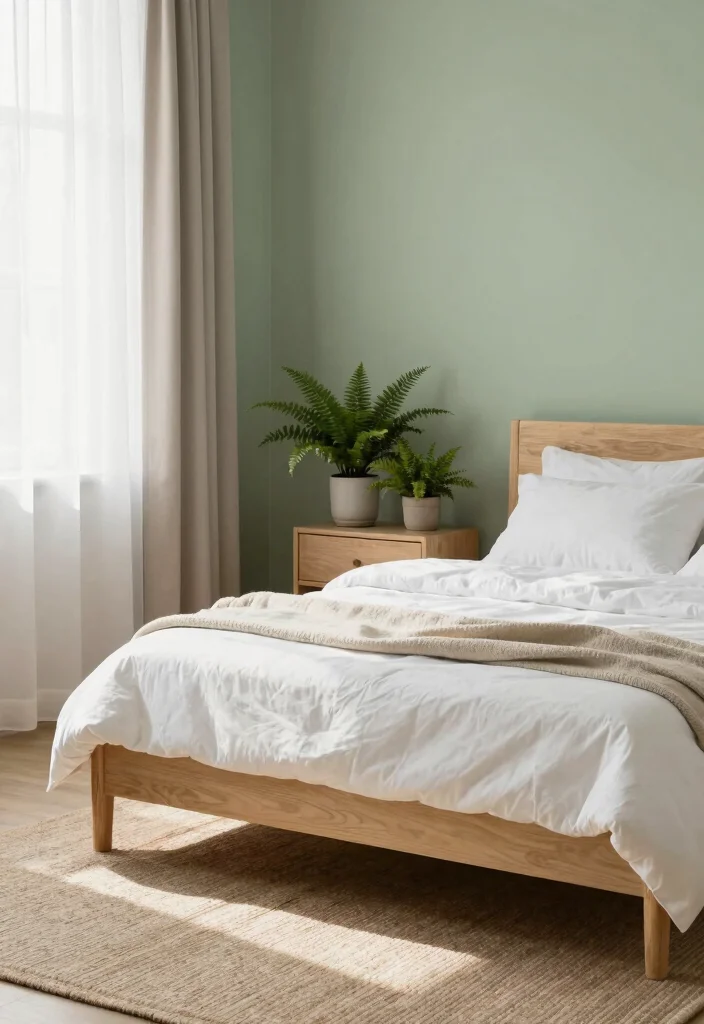
Sage green is a beautifully calming color that can transform your bedroom into a serene retreat. This soft hue evokes a connection to nature, fostering a peaceful atmosphere that promotes relaxation and restfulness. It pairs wonderfully with natural wood elements and cozy textiles, creating an inviting and harmonious environment. Imagine sage green walls alongside light oak furniture or soft beige cushions, all working together to bring the outdoors inside.
To make the most of this palette, try combining sage with crisp white trim or warm beige accents for a balanced look. Incorporate plants like ferns or peace lilies to enhance the organic feel of the room. Light wooden blinds or sheer curtains can filter natural light, maintaining that tranquil vibe throughout the day.
Consider these ideas to elevate your space:
– Pair sage-painted walls with oak nightstands.
– Use soft white bedding to create contrast.
– Incorporate woven jute rugs for texture.
– Add greenery with potted plants for life.
This design choice not only brings a touch of sophistication but also enhances the overall aesthetic through the use of natural textures and materials, creating a comforting space to unwind.


Last update on 2026-02-27 / Affiliate links / Images from Amazon Product Advertising API
2. Dusty Blue
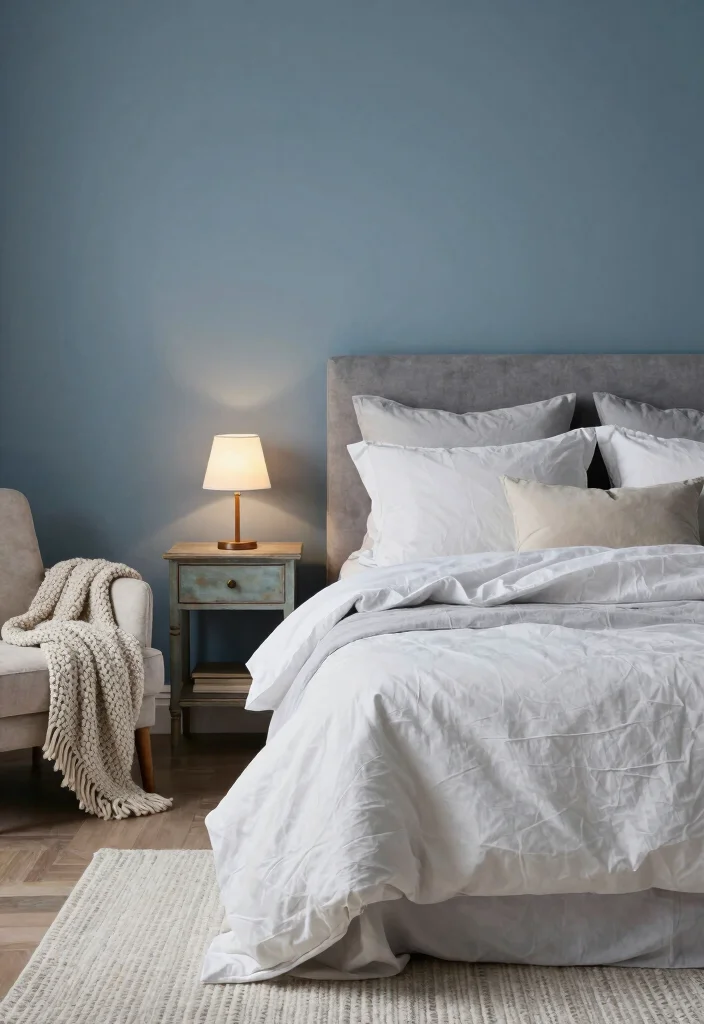
Dusty blue is a tranquil shade that evokes serenity and calmness, making it an ideal choice for your bedroom. This color mirrors the soft hues of the evening sky, creating a soothing backdrop for restful sleep. Dusty blue works beautifully with both rustic and modern decor, providing versatility across various design styles. Picture soft blue walls complemented by fluffy white bedding and warm gray accents for an inviting ambiance.
For an eye-catching color scheme, combine dusty blue with soft whites or pale grays to maintain a peaceful palette. Incorporate plush throws and decorative pillows in these shades to create a cozy retreat. Consider adding art pieces that feature hints of soft beige to tie the room together elegantly.
Here are some tips for using dusty blue:
– Choose low-VOC paint for better indoor air quality.
– Layer soft textures with blankets and curtains.
– Use warm lighting to enhance the inviting atmosphere.
This color not only cultivates a calming environment but also enhances your bedroom’s aesthetic through comforting textures and harmonious hues.


![Shabby Chic Chalk Furniture Paint: Luxurious Chalk Finish Craft Paint for Home Decor, DIY, Wood Cabinets - All-in-One Paints with Rustic Matte Finish [Duck Egg] (Baby Blue) - (8.5 oz Covers 32 sf)](https://m.media-amazon.com/images/I/41gmMalNjnL._SL160_.jpg)

Last update on 2026-02-27 / Affiliate links / Images from Amazon Product Advertising API
3. Gentle Lavender
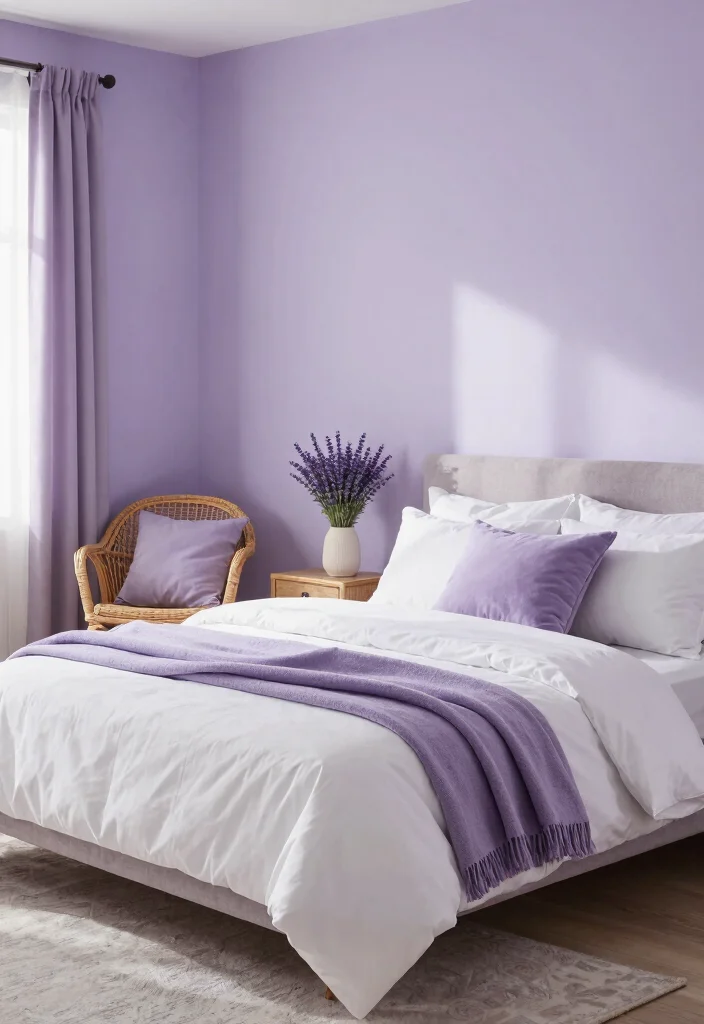
Lavender is not just for sachets; it’s a stunning choice for your bedroom walls! This soft, pastel hue radiates relaxation and is particularly effective for those dealing with stress or anxiety. Lavender pairs beautifully with whites, creams, and even deeper tones like charcoal gray, offering a sophisticated yet calming vibe. Imagine a lavender accent wall adorned with white bedding and natural wood decor for a serene look.
Incorporating lavender can be as simple as painting one wall or selecting lavender-hued bedding to establish the theme. Add natural elements like wooden decor or dried lavender bouquets to enhance the earthy feel. The soothing scent of lavender can also promote better sleep, making it a wonderful addition to your decor.
Consider these suggestions:
– Pair with aromatherapy diffusers for a calming atmosphere.
– Use organic cotton bedding for added comfort.
– Maintain a clutter-free space to enhance tranquility.
This choice elevates the overall aesthetic, and the use of natural materials enhances your cozy sanctuary, making it the perfect escape.


Last update on 2026-02-27 / Affiliate links / Images from Amazon Product Advertising API
4. Soft Peach
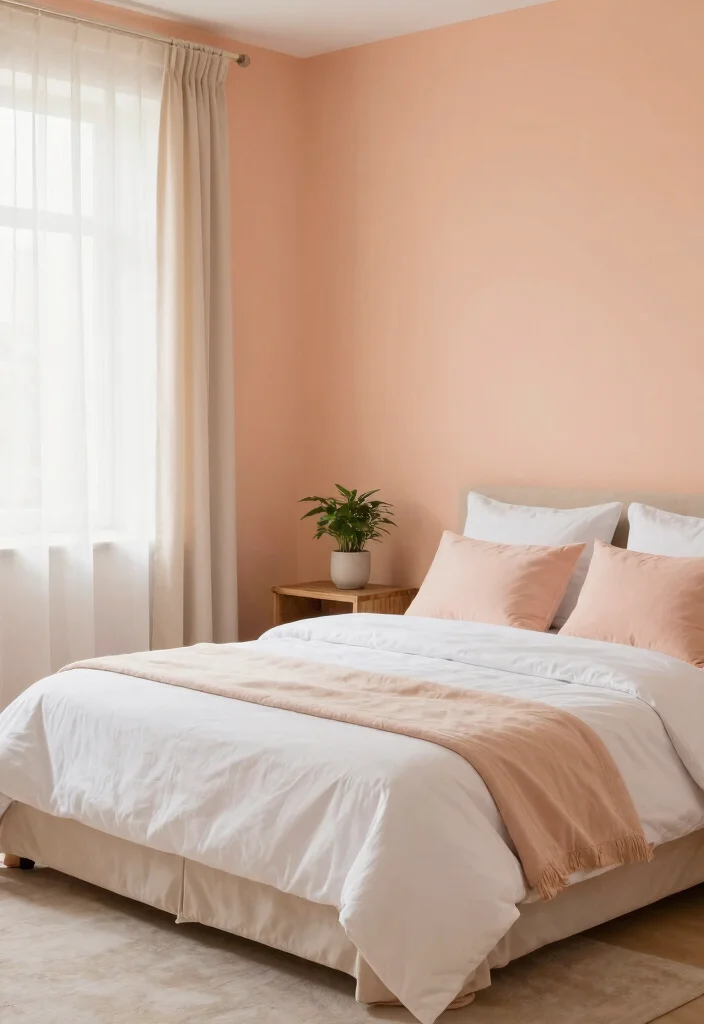
Soft peach brings warmth and comfort into your bedroom without being overwhelming. This delightful color creates an inviting atmosphere that’s soothing and vibrant, perfect for relaxation. Pair it with light gray accents or creamy whites for a fresh, airy approach. Visualize soft peach walls alongside fluffy white bedding and light gray curtains for a harmonious setting.
To incorporate soft peach, consider painting an accent wall or integrating the color into your bedding and decor. Complement it with natural fibers like cotton or wool to enhance the cozy feel. Adding greenery through indoor plants can further connect your space to nature and enhance the warmth.
Here are some insights for using soft peach:
– Use low-VOC paints to ensure fresh indoor air.
– Choose natural wood furniture to match the peach tones.
– Opt for light, airy curtains to diffuse sunlight gently.
This color choice not only adds warmth to your space but also enhances the design with its inviting textures and natural materials, creating a soothing sanctuary.



Last update on 2026-02-27 / Affiliate links / Images from Amazon Product Advertising API
5. Cloudy Gray

Cloudy gray is a chic and modern color that conveys both sophistication and calmness. This versatile shade adapts beautifully to various design styles, from contemporary to classic, serving as a perfect neutral backdrop. Imagine a cloudy gray room with soft white linens and rich jewel tones, creating a serene yet stylish atmosphere.
Pair cloudy gray with soft whites and deep jewel tones, or opt for a monochromatic look with varying shades of gray for added depth. Incorporate textured items such as knitted throws or patterned cushions to break the monotony while maintaining a calming vibe. The addition of layered textures can enhance the overall aesthetic.
Here are practical tips for using cloudy gray:
– Choose eco-friendly paint to promote healthier living.
– Complement with dark wood or brass accents for elegance.
– Have varied light sources, including warm lamps for coziness.
This choice not only radiates sophistication but also enhances the design through rich textures and complementary materials, creating a peaceful retreat.
Cloudy gray proves that calm can be chic—it’s the perfect base for your calming bedroom paint color ideas. Try pairing it with soft whites and jewel tones for depth, or go monochrome with varying grays to feel more serene and focused.



Last update on 2026-02-27 / Affiliate links / Images from Amazon Product Advertising API
6. Soft White
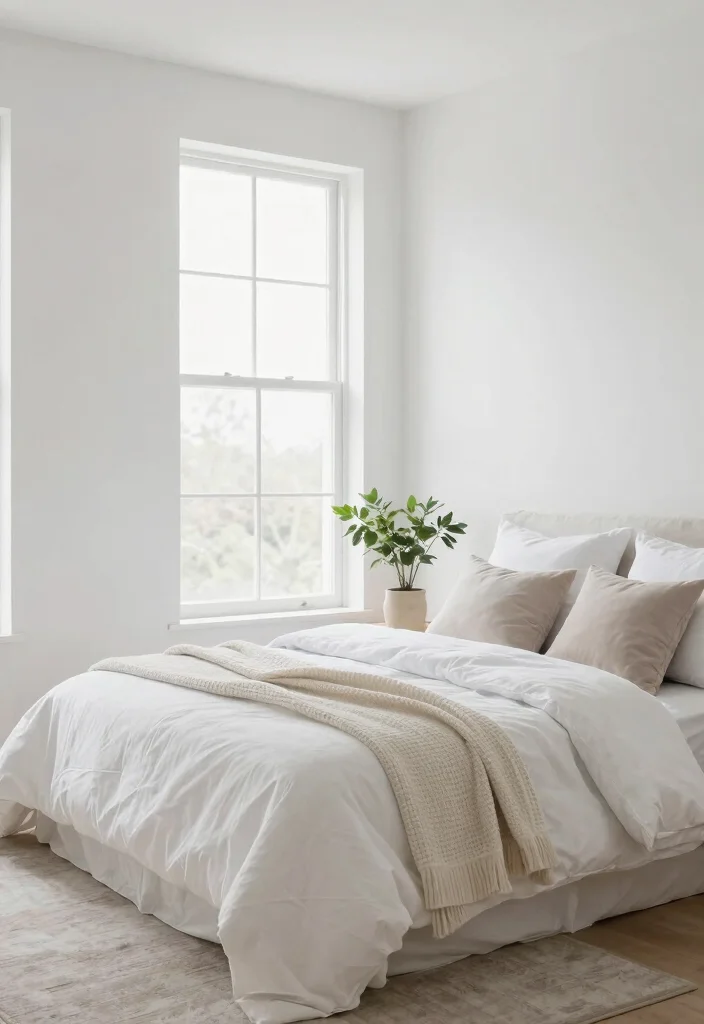
Soft white is a timeless classic that creates a fresh and airy feel in your bedroom. Using white as your main color scheme opens up the space, fostering a serene atmosphere. It allows for mixing and matching various decor styles while still maintaining a calming vibe. Picture layers of whites—from warm ivory to cool white—adding depth and texture to your space.
Incorporating soft whites can be achieved through bedding, curtains, and even rugs, allowing light to bounce around the room and create an inviting atmosphere. Focus on using natural materials that enhance the feeling of organic serenity while keeping the decor simple and elegant.
Consider these tips for using soft white:
– Mix in natural elements like wood for warmth.
– Use plants for pops of color against the white backdrop.
– Select warm lighting options to create a cozy environment.
This choice not only brings a refreshing aesthetic but also enhances the design through layered textures and organic materials, making your bedroom a peaceful haven.


Last update on 2026-02-27 / Affiliate links / Images from Amazon Product Advertising API
7. Tranquil Teal
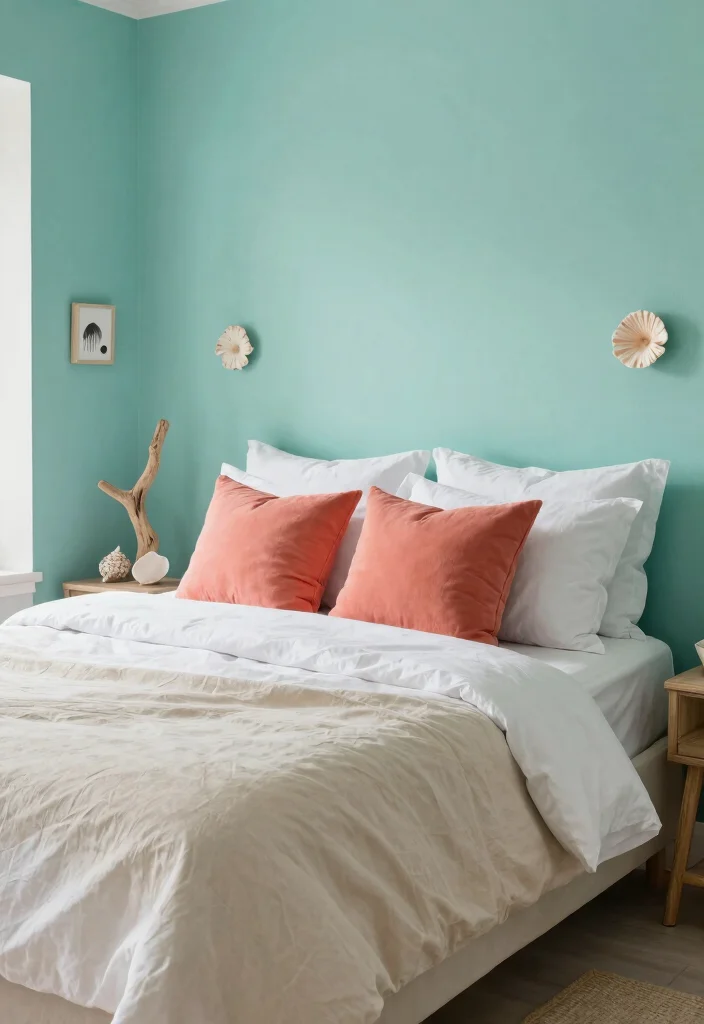
Teal combines the calming aspects of blue with the revitalizing energy of green, creating a refreshing atmosphere for your bedroom. This unique shade evokes feelings of serenity reminiscent of the ocean, promoting relaxation while inspiring adventure. Picture a tranquil teal room paired with sandy beige accents, bringing a coastal vibe indoors.
Pair tranquil teal with whites or sandy beiges to enhance the beachy feel. Incorporate rich textured fabrics to add depth to your decor, and consider adding coastal elements like shells or driftwood art for thematic interest. This color choice is ideal for those who love nature and seek a calm space to unwind.
Here are some key points:
– Use eco-friendly paint for healthier indoor air.
– Add accent pillows in complementary colors like coral.
– Strive for balance between lively decor and calming elements.
This selection not only fosters a refreshing ambiance but also enhances the overall aesthetic through its vibrant yet soothing tones and textures.



Last update on 2026-02-27 / Affiliate links / Images from Amazon Product Advertising API
8. Misty Mauve
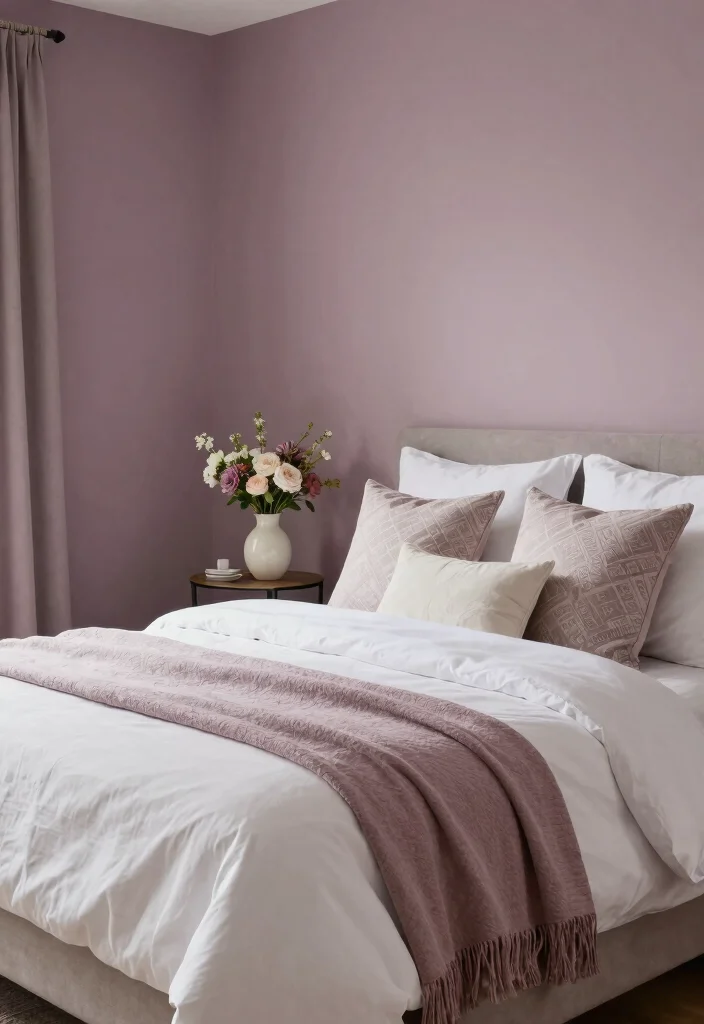
Misty mauve offers a unique blend of softness and sophistication, creating a cozy yet elegant feel in any bedroom. This muted shade works wonderfully with both pastel and vibrant accents, allowing you to explore different decor styles. Imagine misty mauve walls adorned with pastel-colored bedding and bright art pieces for a lively yet tranquil ambiance.
Incorporating mauve can mean painting your walls or selecting bedding in this soothing hue. To enhance the peaceful vibe, consider using natural materials in your decor, such as wooden furniture or cotton textiles. Balance the muted tones with brighter accents like fresh flowers or decorative art that brings joy.
Here are some helpful suggestions:
– Use low-VOC options to improve indoor air quality.
– Create a gallery wall with art that reflects your personality.
– Layer different textures to maintain interest and comfort.
This color choice not only brings a touch of elegance to your space but also enhances the overall aesthetic with its soft tones and textural variety.



Last update on 2026-02-27 / Affiliate links / Images from Amazon Product Advertising API
9. Soft Aqua
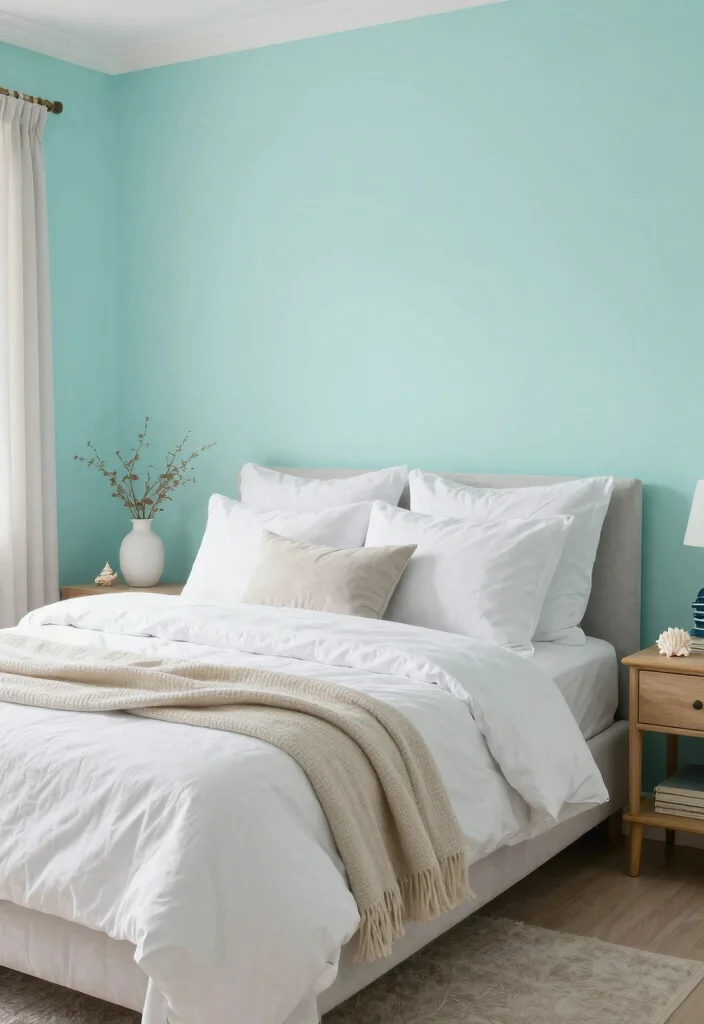
Soft aqua captures the essence of tranquil waters, bringing a refreshing and calming vibe into your bedroom. This hue creates an uplifting atmosphere that still promotes relaxation, making it ideal for those seeking an escape from daily chaos. Picture soft aqua walls paired with sandy beige or soft white accents for a serene, beach-inspired theme.
When incorporating soft aqua, consider layering textures through throws, rugs, and pillows to maintain a cozy feel. Accents like nautical decor, including ropes or shells, can further enhance the thematic interest in your space. This color choice is perfect for creating a serene sanctuary with a hint of coastal charm.
Here are some key considerations:
– Opt for eco-conscious paint to protect air quality.
– Use warm lighting to enhance the calming effect of aqua.
– Keep decor simple and meaningful to avoid overwhelming the senses.
This selection not only brings a refreshing touch to your room but also enhances the design through its serene tones and carefully chosen textures.


Last update on 2026-02-27 / Affiliate links / Images from Amazon Product Advertising API
10. Warm Sand
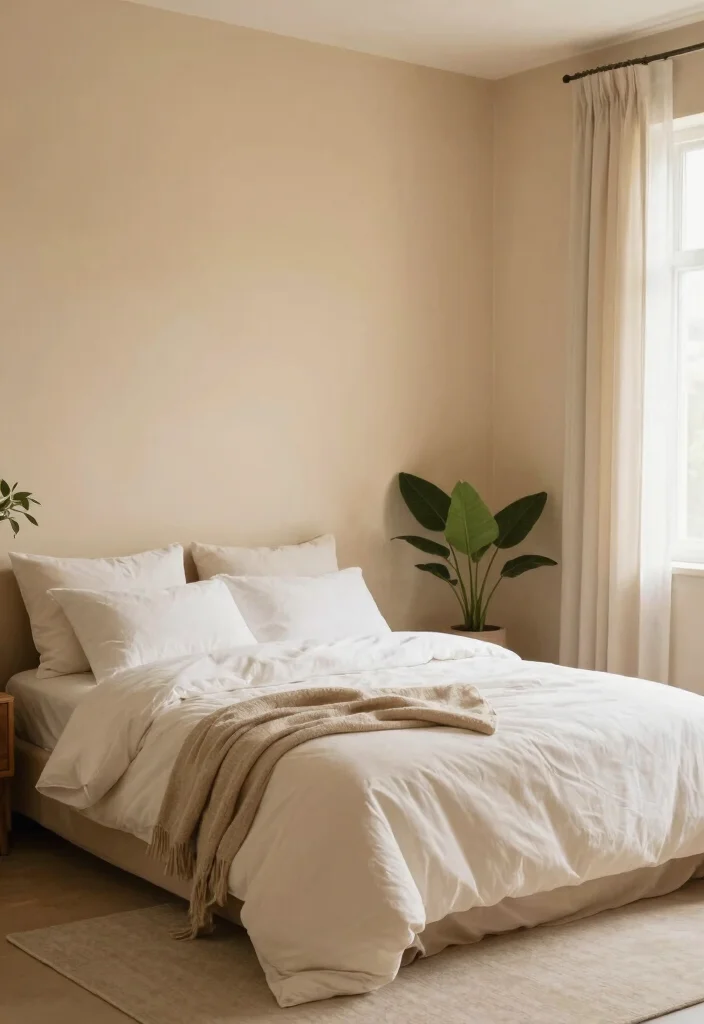
Warm sand is a grounding color that embodies the essence of nature, making it an ideal choice for a calming bedroom. This earthy hue pairs beautifully with other neutrals, creating a cohesive and harmonious environment. Imagine warm sand walls complemented by deeper earthy tones like terracotta or soft whites for contrast and warmth.
To incorporate warm sand into your decor, consider painting your walls or choosing sand-colored bedding. Adding natural elements such as plants and wooden furniture can enhance the organic feel of your space while providing a comforting touch. This color choice is perfect for those who desire a peaceful and grounded atmosphere.
Helpful tips include:
– Use low-VOC paints for a healthier environment.
– Add cozy touches with textured fabrics in varying shades.
– Use soft, warm lighting to keep the atmosphere inviting.
This choice not only creates a serene environment but also enhances the overall aesthetic through its earthy tones and natural elements.
❝Warm sand walls feel instantly calming—like sunlight through a breeze. Pair them with terracotta accents or soft whites to ground the space, then layer natural textures for lasting rest. It’s a simple, practical move in calming bedroom paint color ideas that actually works.
11. Natural Olive
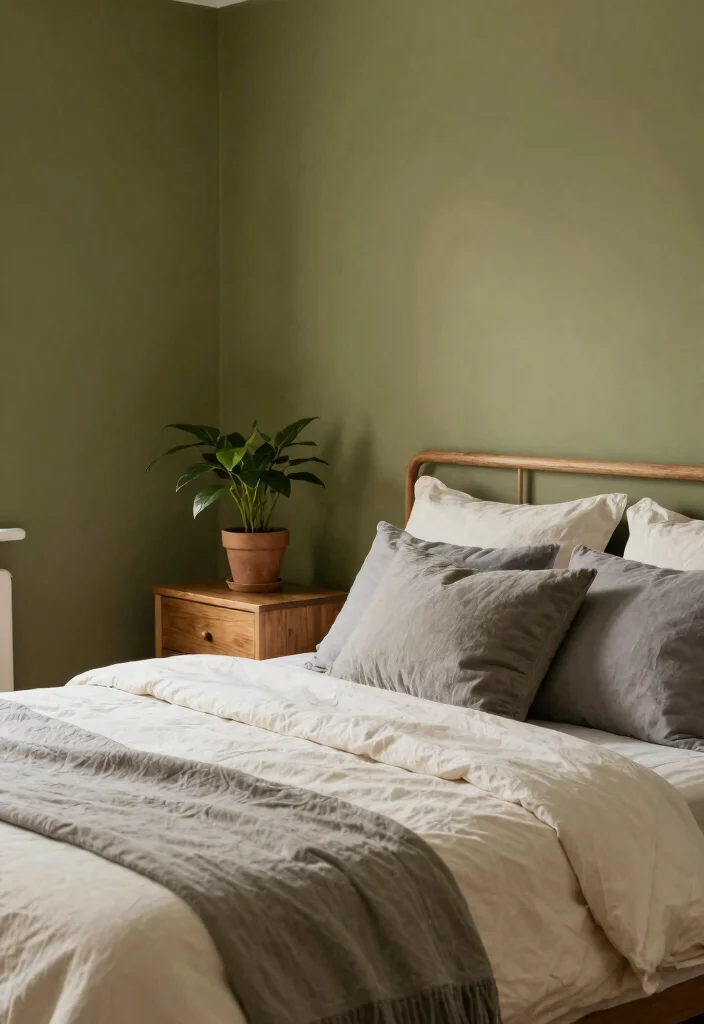
Natural olive is an earthy color that feels organic and soothing, making it ideal for a restful bedroom. This unique shade reflects nature, transforming your space into a calming oasis. Natural olive pairs beautifully with creamy whites or soft grays, creating a balanced and sophisticated look. Envision natural olive walls adorned with rustic decor that enhances the serene atmosphere.
When using natural olive, think about combining it with light neutrals to create visual harmony. Incorporate textured fabrics like linen or wool to enhance the cozy ambiance. Nature-inspired decor, such as wooden accents or botanical prints, can contribute to a cohesive and inviting space.
For using natural olive, consider these tips:
– Select eco-friendly paint for a healthier indoor environment.
– Layer different textures for a cozy feel without overwhelming the space.
– Use warm, soft lighting to create an inviting atmosphere.
This color choice elevates the overall aesthetic while promoting a sense of tranquility through its natural tones and textures.
Fun fact: natural olive walls pair beautifully with creamy whites or soft grays, turning a bedroom into a calming oasis. Add eco-friendly low-VOC paints and keep decor simple; your calming bedroom paint color ideas will shine while you sleep easier.
12. Light Blush
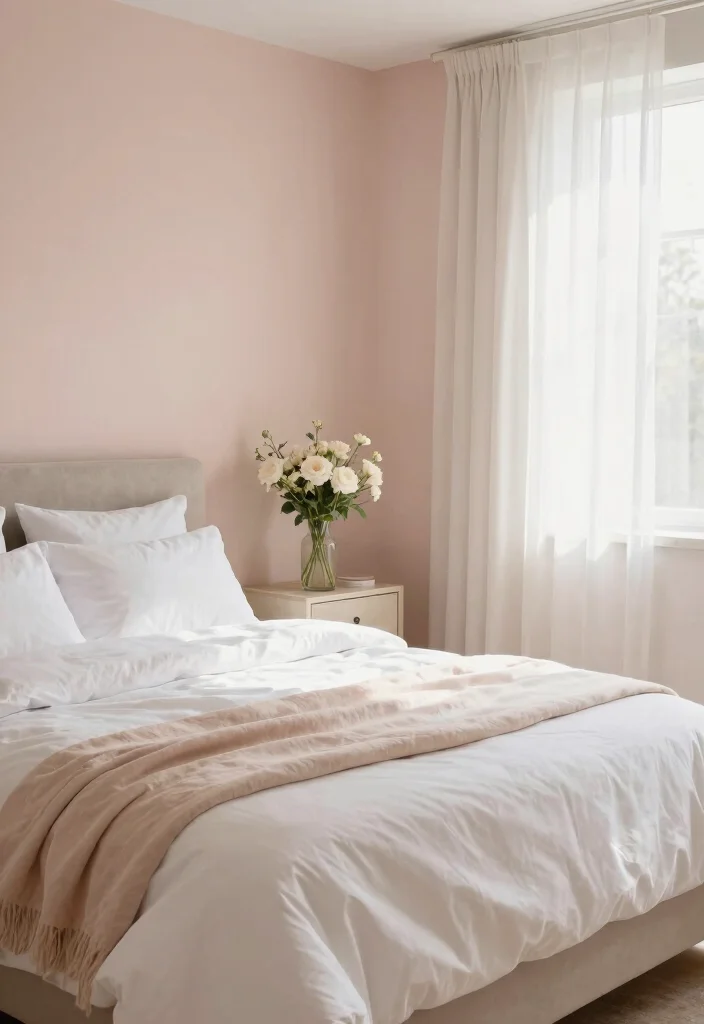
Light blush is a gentle, romantic color that encourages calmness and tranquility in your bedroom. This soft pink hue adds warmth and remains delicate and inviting, making it perfect for a soothing environment. Pairing light blush with whites or grays creates a chic yet serene atmosphere. Imagine light blush walls adorned with soft white bedding and delicate gold accents for a dreamy feel.
Incorporate light blush through your walls, bedding, or decorative pieces to establish a cohesive look. Accents like soft gold or silver can enhance the romantic vibe without overwhelming the space. Adding natural materials and greenery helps maintain the calming aesthetic while introducing additional textures.
Here are some key insights for using light blush:
– Use eco-friendly paint options to enhance wellbeing.
– Choose natural linens for bedding to complement the blush hue.
– Incorporate minimalistic decor to maintain a serene atmosphere.
This choice not only adds a romantic touch to your space but also enhances the overall aesthetic through its soft tones and thoughtful textures.
Conclusion
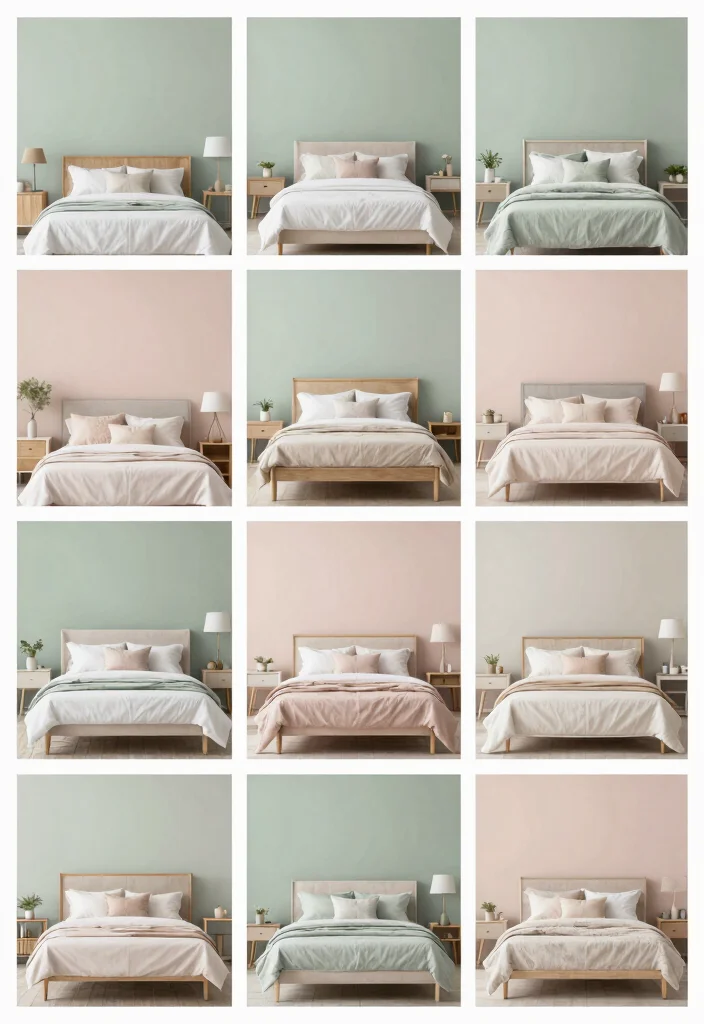
Selecting a calming bedroom paint color is more than just a design choice; it’s about creating a soothing environment that fosters relaxation and better sleep. Each of these twelve colors offers unique benefits, enhancing your space in eco-friendly ways.
Whether you prefer the serene touch of sage green or the soft allure of lavender, your choice can transform your bedroom into a peaceful retreat. Explore these color ideas and consider your feelings about each to create the perfect, cozy sanctuary for restful nights.
Note: We aim to provide accurate product links, but some may occasionally expire or become unavailable. If this happens, please search directly on Amazon for the product or a suitable alternative.
This post contains Amazon affiliate links, meaning we may earn a small commission if you purchase through our links, at no extra cost to you.
Frequently Asked Questions
What are the top calming bedroom paint color ideas that are eco-friendly and sleep-friendly hues?
Start with calming color families like soft blues, sage greens, warm neutrals, and pale greys. Choose paints labeled low-VOC or zero-VOC and water-based for a healthier, eco-friendly option. Test swatches on your wall and check how they look in morning light and evening light before committing. Pair calming tones with natural textures (linen, cotton, wood) to boost a tranquil vibe. These ideas align with calming bedroom paint color ideas and sleep-friendly hues that help reduce glare and support rest.
Pro tip: select a matte or eggshell finish to keep reflections gentle and comforting. Limit the palette to 2–3 main colors plus an off-white for balance.
How can I build a soothing bedroom color schemes using eco-friendly paints without sacrificing style?
Start with a restrained palette: 2–3 complementary hues plus an off-white. This keeps your bedroom color schemes cohesive and creates a tranquil color palettes vibe. Pick soothing paint colors with low-VOC formulas, then test swatches in different lights. Use an accent wall sparingly and layer textures from sustainable materials to deepen the calm without clutter. Finish with matte/satin sheens to minimize glare and keep the look contemporary and eco-friendly.
Which sleep-friendly hues are best for relaxation, and how do you apply them with eco-friendly paints?
Good choices are pale blues, soft greens like sage, warm neutrals, and light greys. Apply them in layers: light ceiling and walls with slightly deeper accents, using eco-friendly paints with low-gloss finishes to reduce glare. Test color samples on multiple walls and view under daylight and artificial light to ensure the hues stay soothing as the room changes. This creates highly sleep-friendly hues and soothing paint colors that support rest, while remaining eco-conscious.
How can I test calming color ideas in a real room before painting, while staying eco-friendly?
Start with small pots of low-VOC paints and swatches on a clean wall. Observe the color in natural daylight, then in the room’s artificial lighting at night. Move the swatches around to see how furniture and textiles affect the mood. If you love it, paint a larger area and ensure good ventilation during the test. This practical approach matches calming bedroom paint color ideas with your eco-friendly goals and helps avoid repainting wasteful mistakes.
Tip: use a digital color visualizer to preview your palette before committing.
What practical tips keep a relaxing bedroom decor intact over time when using sustainable paints?
Maintain the calm by cleaning walls with a soft microfiber cloth and a mild, non-toxic cleaner. Choose durable finishes like matte or eggshell to minimize glare and scuffs. Repaint only when needed and instead refresh with textiles, lighting, or plants to preserve the mood. Stick to sleep-friendly hues and tranquil color palettes to sustain serenity, and pick eco-friendly paints that offer low odor and better indoor air quality. Regular touch-ups can extend the life of your calming space without heavy remodeling.
Related Topics
calming bedroom paint
eco-friendly colors
soothing paint colors
tranquil palettes
bedroom color schemes
relaxing decor
sleep-friendly hues
minimalist bedroom
beginner-friendly tips
color psychology
natural materials
bedroom makeover