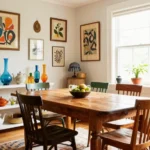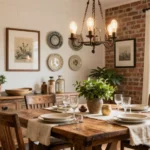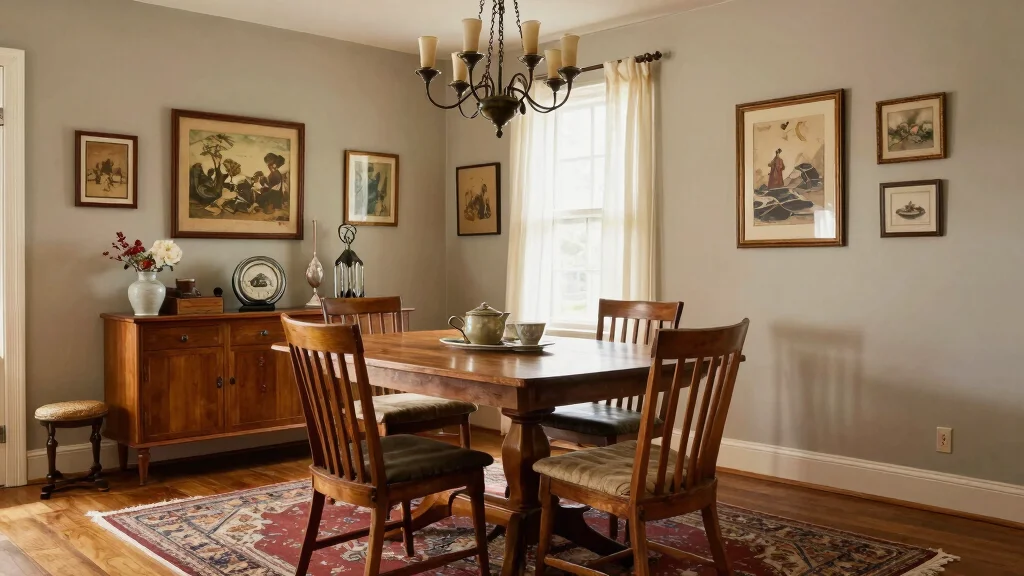
Vintage dining rooms evoke a sense of charm and nostalgia, blending the old with the new in a way that feels timeless. If you’re anything like me, you might be craving a space that feels both classic and comfortable, a room where gatherings flow seamlessly and stories are shared over delicious meals. That’s exactly why I created this post! I wanted to inspire anyone looking to breathe new life into their dining area with vintage design ideas that are both stylish and livable.
This guide is perfect for those who adore home decor and have a soft spot for mid-century modern aesthetics. Whether you’re a seasoned decorator or just starting to explore your style, you’ll find valuable tips to create a dining room that feels uniquely you. From retro round tables to eclectic accessories, I’ve pulled together 15 vintage dining room design ideas that are inviting, practical, and sure to spark joy in your home.
Get ready to explore creative ways to incorporate vintage dining room decor. You’ll discover classic dining room ideas that harmonize with modern living, retro dining room furniture that stands the test of time, and timeless dining room styles that never go out of fashion. Let’s dive in!
Key Takeaways
– Discover how to blend vintage elements with modern decor for a balanced look in your dining room.
– Learn about essential vintage dining room furniture pieces that offer both style and comfort.
– Find tips for selecting color palettes that enhance the vintage vibe while remaining practical.
– Explore eclectic dining accessories that add character and charm to your space.
– Get inspired by a variety of lighting options that can dramatically change the ambiance of your dining area.
How To Choose The Perfect Vintage Dining Room Furniture
Choosing the right furniture is crucial for creating a vintage dining room that feels both authentic and inviting. Here are some key considerations:
1. Size Matters: Before you start shopping, measure your dining area. Ensure you have enough space for a table and chairs that allow for easy movement. A crowded room can feel claustrophobic, so prioritize comfort.
2. Style Cohesion: Look for pieces that reflect a consistent design style. Mid-century modern furniture often features clean lines and natural materials. Consider how each item will fit within the overall aesthetic you want to achieve.
3. Quality Over Quantity: Invest in well-made vintage pieces. Solid wood furniture or items with high craftsmanship tend to last longer and add more value to your home. Check for durability as well as aesthetic appeal.
4. Color Compatibility: Choose furniture that complements your chosen color palette. Warm woods like oak or walnut can enhance the vintage feel, while bright colors can add a playful touch. Be sure to balance bold hues with neutral tones to create harmony.
5. Versatility: Select furniture that is functional and adaptable. Extendable dining tables or chairs that can be easily moved for gatherings provide practicality for daily use or special occasions.
Pro Tip: Don’t shy away from mixing styles. An antique table paired with modern chairs can create a delightful contrast that highlights the unique features of each piece.
How To Incorporate Vintage Lighting Fixtures
Lighting can dramatically change the atmosphere of your dining room. Here’s how to choose and install vintage lighting fixtures effectively:
1. Identify Your Style: Vintage lighting comes in various styles. Whether you prefer pendant lights, chandeliers, or sconces, select fixtures that match your overall design theme. Look for pieces that evoke the era you’re drawn to, such as mid-century or art deco.
2. Consider the Size: The scale of your lighting should correspond with the size of your dining table and room. A large chandelier may overwhelm a small space, while petite fixtures might get lost in a larger room. Aim for balance.
3. Layer Your Lighting: Use a combination of ambient, task, and accent lighting to create a warm, inviting glow. Consider adding dimmers to control the light levels, making it easy to adjust for different occasions.
4. Installation Basics: When hanging a fixture above the table, position it about 30-34 inches above the tabletop to ensure adequate light and visibility for diners. For wall sconces, place them at eye level to maximize their effect.
5. Energy Efficiency: If you’re concerned about energy consumption, consider using LED bulbs in your vintage fixtures. They provide bright light while being more energy-efficient than traditional bulbs.
Best for: This approach works well for anyone looking to create a cozy dining environment that blends vintage charm with modern functionality.

Last update on 2026-02-27 / Affiliate links / Images from Amazon Product Advertising API
How To Style Your Vintage Dining Room
Styling your dining room can transform it from ordinary to extraordinary. Here’s how to bring your vision to life:
Tools You’ll Need:
– Measuring tape
– Color samples
– Style inspiration (magazines, Pinterest boards)
– Basic tools for arranging furniture
Step 1: Measure & Plan: Use your measuring tape to outline the layout of your dining room. Sketch your vision on paper, noting where key pieces will go.
Step 2: Choose Your Palette: Select a color scheme that reflects your style. Soft pastels can create a light atmosphere, while deeper hues add drama.
Step 3: Arrange the Furniture: Start by placing the dining table in the central position. Ensure there’s enough space around chairs for easy movement.
Step 4: Accessorize Wisely: Add vintage accessories, such as artwork, plants, or interesting tableware. These elements can provide character and warmth.
Step 5: Add Texture: Incorporate textiles like table runners, placemats, or curtains to enhance the tactile experience of the room. Different materials add depth and interest.
✔ Checkpoints to Consider:
– Ensure your accessories match your color scheme.
– Use asymmetrical arrangements for a more casual look.
– Don’t overcrowd surfaces; leave room for dining.
⏱ Time: ~2-3 hours | 💡 Tip: Take breaks to step back and assess how everything looks. Sometimes a fresh perspective can spark new ideas!


Last update on 2026-02-27 / Affiliate links / Images from Amazon Product Advertising API
1. Retro Round Tables
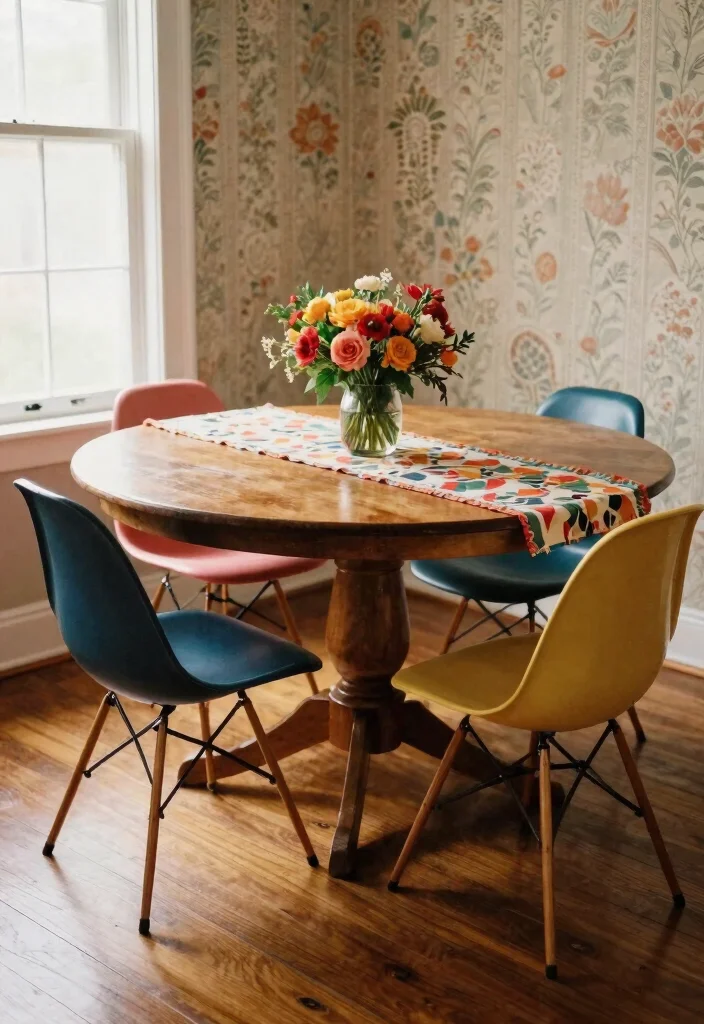
Retro round tables bring a delightful charm to your dining space, perfect for encouraging lively conversations and an intimate atmosphere. The circular shape fosters a sense of community, making every meal feel special. Consider options like a classic tulip table or a rustic wooden pedestal to embrace that vintage vibe. These tables are available in finishes ranging from glossy white to deep walnut, allowing you to choose one that complements your decor beautifully. Pair your table with an array of chairs in vibrant colors, or opt for iconic designs like the Eames molded plastic chair for a touch of nostalgia.
To make the most of your round table, focus on functionality and style. Look for budget-friendly options at thrift stores or online marketplaces to find unique pieces without breaking the bank. Mixing chair styles adds character and reflects your personal taste, while a striking centerpiece, such as a vintage vase or fresh flowers, can draw the eye and elevate the setting.
Tips for selecting the right round table:
– Choose a size that suits your space and can fit your guests comfortably.
– Mix and match chair styles for a personalized touch.
– Consider a bold centerpiece to add visual interest.
Round tables not only enhance conversation but also create a warm, inviting dining experience.
Fun fact: A 48-inch retro round table can seat 4 comfortably and sparks dialogue in every bite. Round layouts improve conversation flow in vintage dining rooms, making your dining room design vintage feel warm and inviting—perfect for mid-century moments with guests.


Last update on 2026-02-27 / Affiliate links / Images from Amazon Product Advertising API
2. Mid-Century Modern Chairs
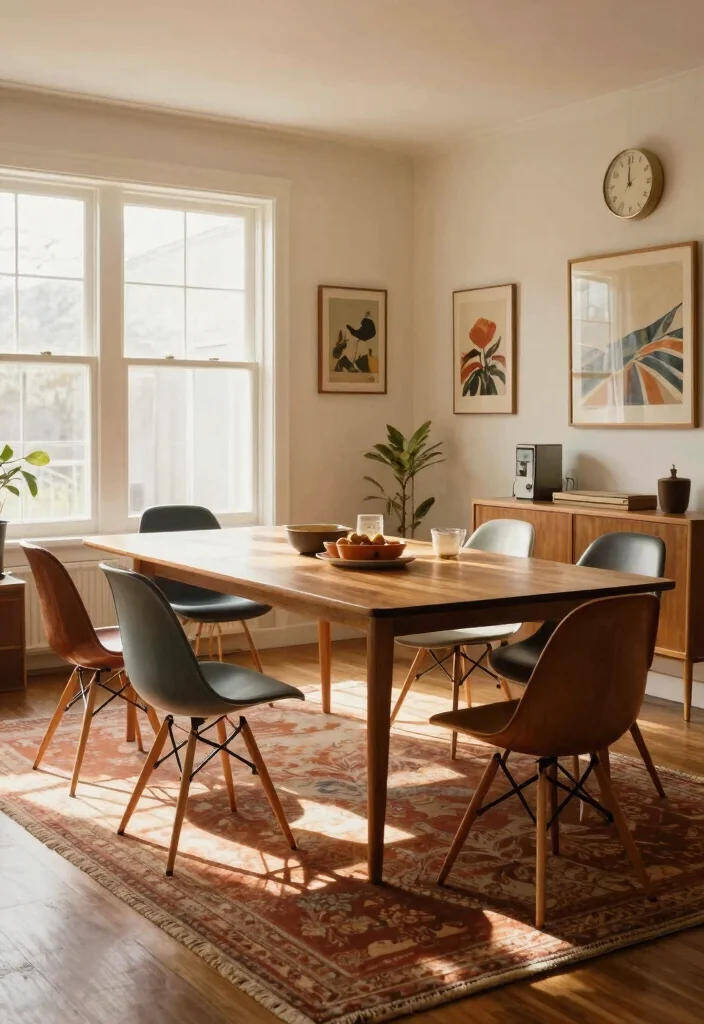
Mid-century modern chairs are essential for defining the character of your vintage dining room. Their sleek lines and organic shapes offer a perfect blend of style and comfort. Think of iconic designs by Arne Jacobsen or Hans Wegner to add sophistication to your space. These chairs, available in molded plywood or vibrant upholstery, can infuse a pop of color into your dining area, making it feel lively and inviting.
To effectively incorporate these chairs, focus on creating contrast and visual appeal. Pair a bold chair with a neutral table for a striking effect. Thrift stores and online marketplaces can be treasure troves for unique vintage finds, allowing you to mix and match different styles for an eclectic vibe. Don’t hesitate to explore playful colors and patterns that can truly bring your dining room to life.
Ideas for incorporating mid-century chairs:
– Pair a bold chair with a neutral table for contrast.
– Seek out vintage pieces at thrift stores for unique finds.
– Mix and match different styles for an eclectic touch.
These chairs not only enhance your dining experience but also add a touch of artistic flair to your home.




Last update on 2026-02-27 / Affiliate links / Images from Amazon Product Advertising API
3. Vintage Lighting Fixtures
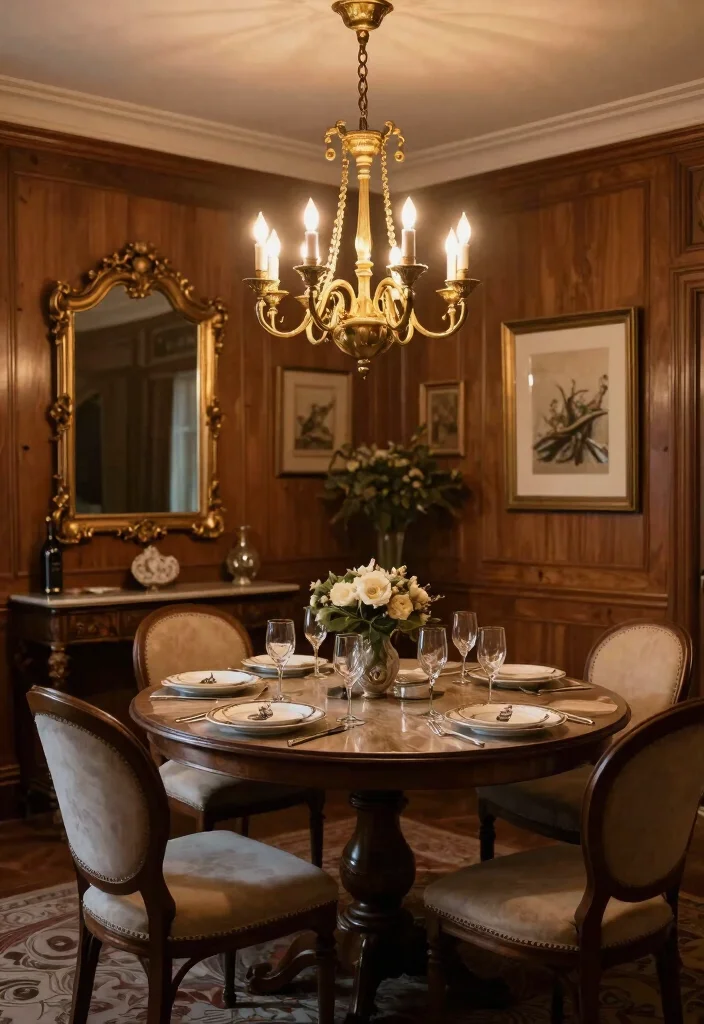
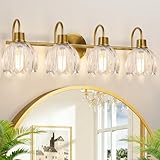
Vintage lighting fixtures are key elements that significantly enhance the aesthetic of your dining room. Whether you choose a stunning chandelier or a charming pendant light, these fixtures can serve as captivating focal points that set the mood for every meal. Select styles like brass chandeliers or colorful pendant lights to add character and warmth to the space.
When choosing your lighting, consider the height of your ceiling and the overall ambiance you wish to create. A tall chandelier can introduce drama, while lower fixtures cultivate a cozy atmosphere. Ensure the finish of the lighting complements other metal elements in the room to maintain harmony. Opt for warm bulbs to create an inviting glow that enhances the vintage vibe.
Choosing vintage lighting:
– Consider ceiling height for fixture placement.
– Match metal finishes with other elements for cohesion.
– Use warm bulbs to enhance the inviting atmosphere.
Layering your lighting with sconces or table lamps can add depth, creating a rich, inviting ambiance for dining.


Last update on 2026-02-27 / Affiliate links / Images from Amazon Product Advertising API
4. Eclectic Dining Accessories
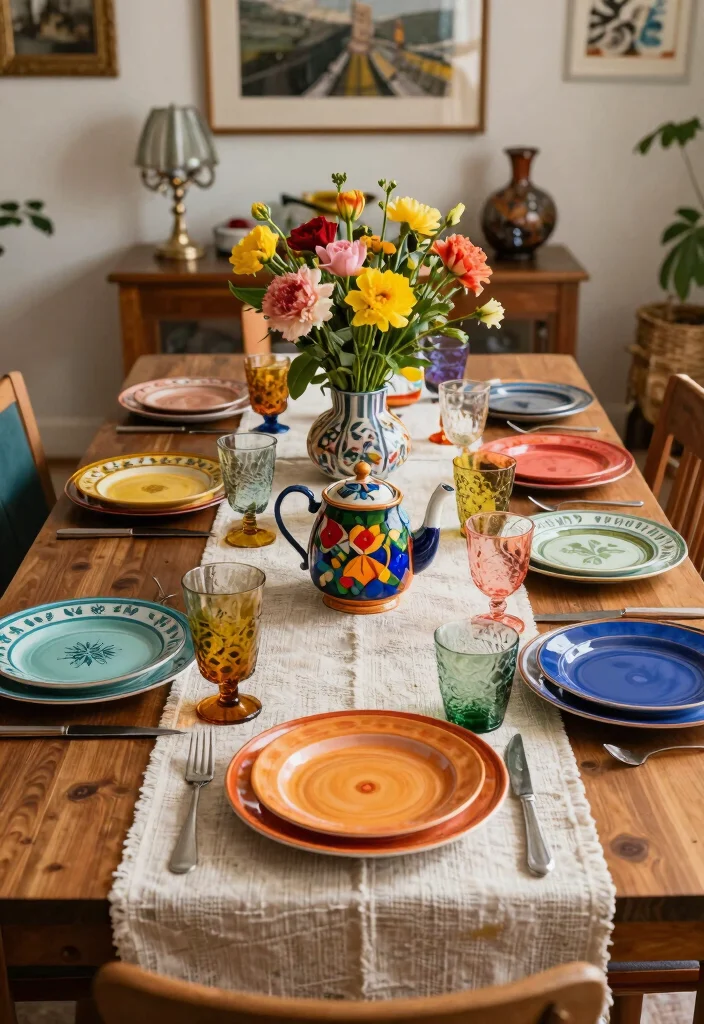
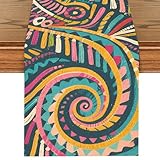
Accessorizing your dining room is essential for expressing your personal style and creating a unique atmosphere. An eclectic mix of accessories, such as vintage plates, quirky centerpieces, or distinctive table runners, can showcase your personality and enhance the overall decor. These elements breathe life into your dining space, making it feel more inviting and personalized.
To effectively accessorize, curate a collection of items that resonate with your individual aesthetic, from retro vases to whimsical art pieces. Layering textures using table linens and unique serving dishes can add depth and interest to your table setting. Embrace the idea of combining different eras and styles to craft a truly eclectic look that tells your story.
Tips for accessorizing effectively:
– Curate a collection of items that reflect your style.
– Layer textures with linens and serving dishes.
– Combine various eras for an eclectic feel.
These accessories not only add functionality but also create a visually stimulating dining experience that invites conversation.



Last update on 2026-02-27 / Affiliate links / Images from Amazon Product Advertising API
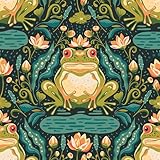
5. Wallpaper with Character
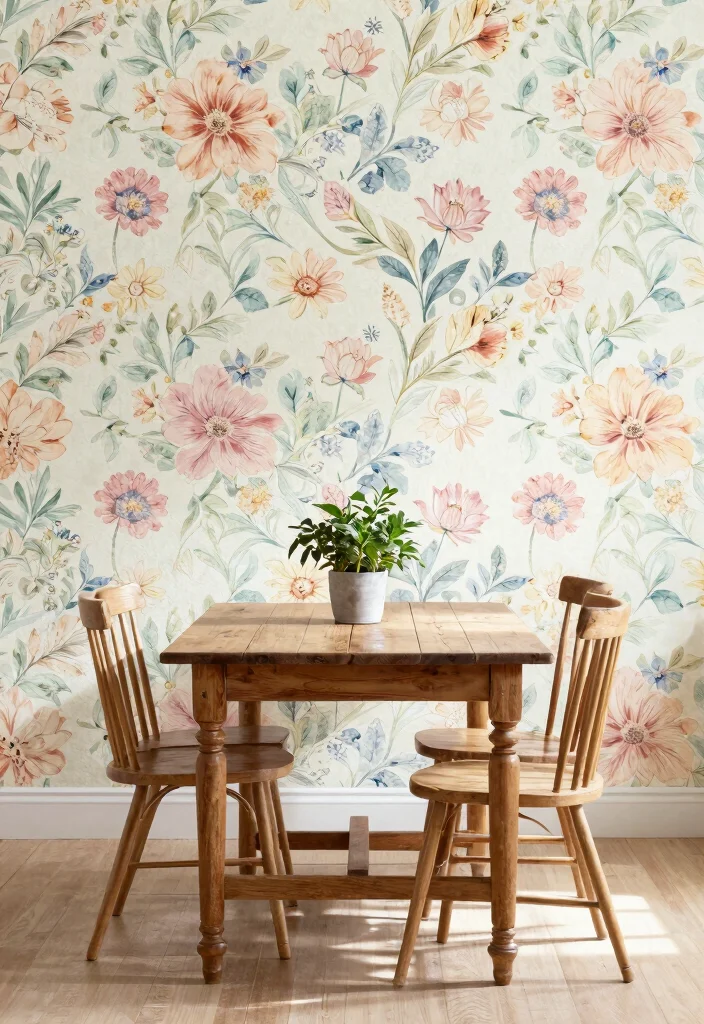
Choosing the right wallpaper can dramatically influence the atmosphere of your dining room. Vintage patterns, such as florals or geometric designs, add depth and visual interest, creating a backdrop that enhances the overall decor. Consider applying a bold wallpaper to an accent wall, creating a striking focal point that defines your dining area.
When selecting wallpaper, ensure the patterns complement your existing furniture and accessories without overwhelming the space. Removable wallpaper is a great option for those who enjoy frequently updating their decor. Pair intricate designs with simpler decor elements to maintain visual balance and harmony.
Choosing the right wallpaper:
– Select patterns that complement your existing decor.
– Use removable wallpaper for easy updates.
– Balance busy patterns with simpler decor elements.
Wallpaper can also help delineate the dining area, especially in open-concept homes, creating a cozy and inviting space where memories are made.




Last update on 2026-02-27 / Affiliate links / Images from Amazon Product Advertising API
6. Vintage Sideboards
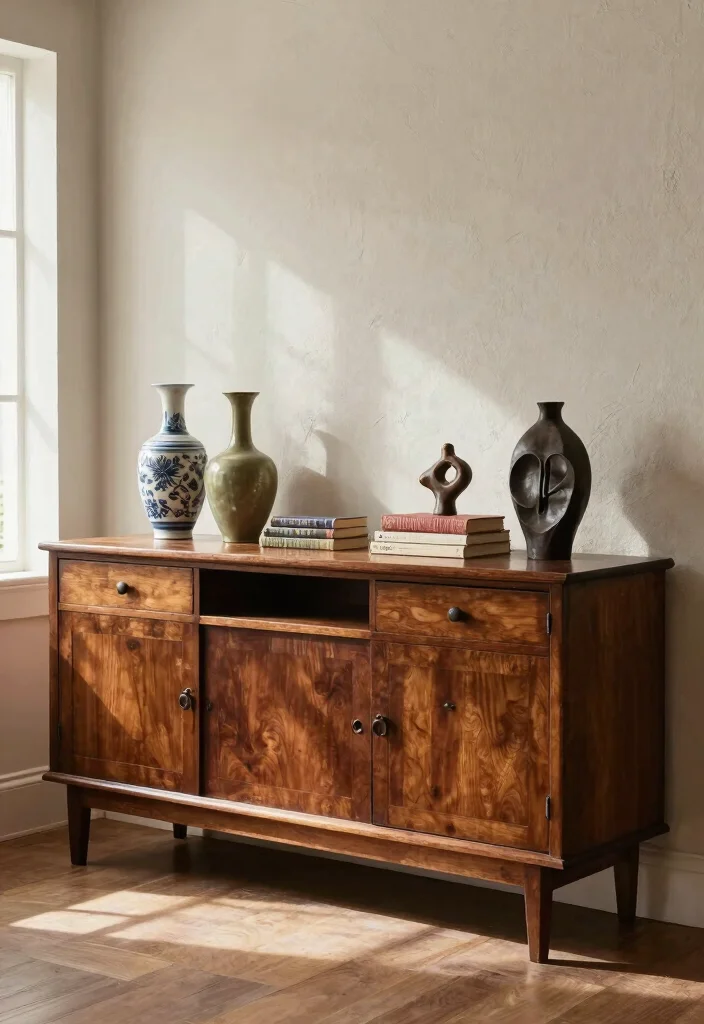
A vintage sideboard is both a functional and decorative piece that can enhance your dining room’s charm. This versatile furniture allows you to display your favorite items while providing storage for dining essentials. Look for sideboards crafted from rich woods, featuring unique details like carved designs or interesting handles to add a classic touch.
To style your sideboard effectively, add decorative elements such as vases, books, or framed photos to create layers and visual interest. Consider using the sideboard as a bar cart or a serving station during meals. Keep the surface organized yet uncluttered, allowing standout pieces to shine.
How to style your sideboard:
– Add decorative pieces for visual layers.
– Use it as a bar cart or serving station.
– Keep surfaces organized for a clean look.
A vintage sideboard not only enhances the usability of your dining area but also contributes to its overall character and charm.


Last update on 2026-02-27 / Affiliate links / Images from Amazon Product Advertising API
7. Farmhouse Flair
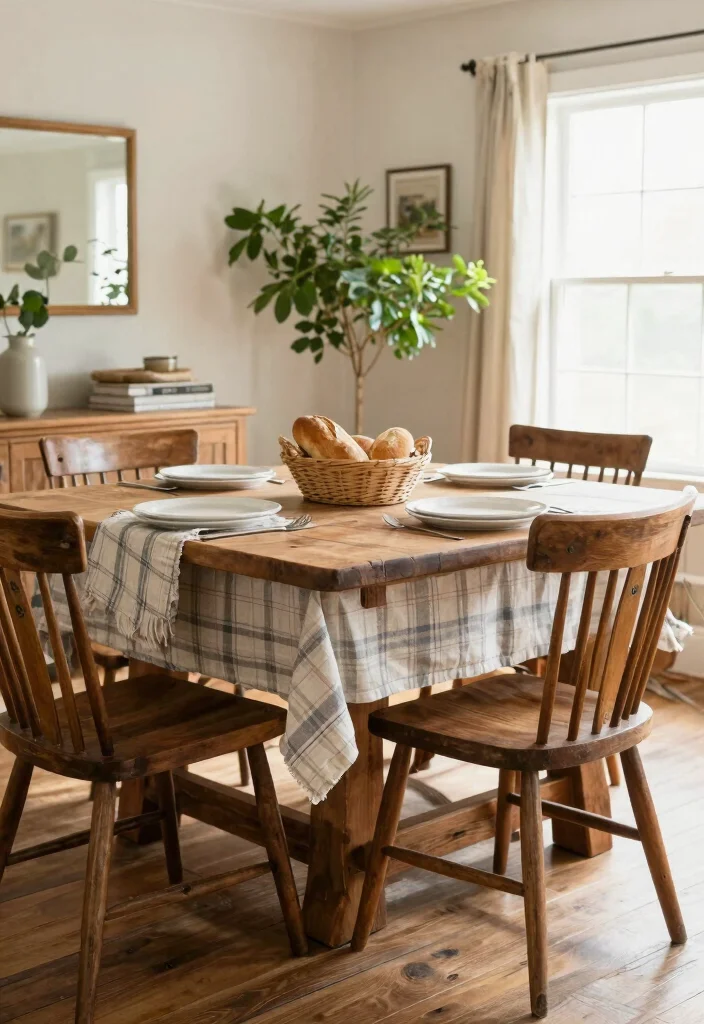
Incorporating farmhouse-style elements into your dining room evokes a sense of cozy nostalgia. Utilizing rustic features, like reclaimed wood tables or vintage farm chairs, creates an inviting atmosphere that feels warm and welcoming. To keep the space fresh, consider blending modern touches with vintage decor for a contemporary twist on classic design.
To achieve that farmhouse flair, focus on a large dining table made from reclaimed wood as your centerpiece. Enhance the decor with items like mason jars, woven baskets, or old wooden crates, which add rustic charm. Soft textiles, such as plaid tablecloths or burlap accents, can further complement the farmhouse aesthetic.
Tips for achieving farmhouse flair:
– Utilize a reclaimed wood table as a focal point.
– Decorate with rustic items like mason jars and crates.
– Add soft textiles for a cozy feel.
Layering both modern and vintage styles creates a unique and functional dining area that radiates warmth and charm.




Last update on 2026-02-27 / Affiliate links / Images from Amazon Product Advertising API
8. Classic Color Palettes
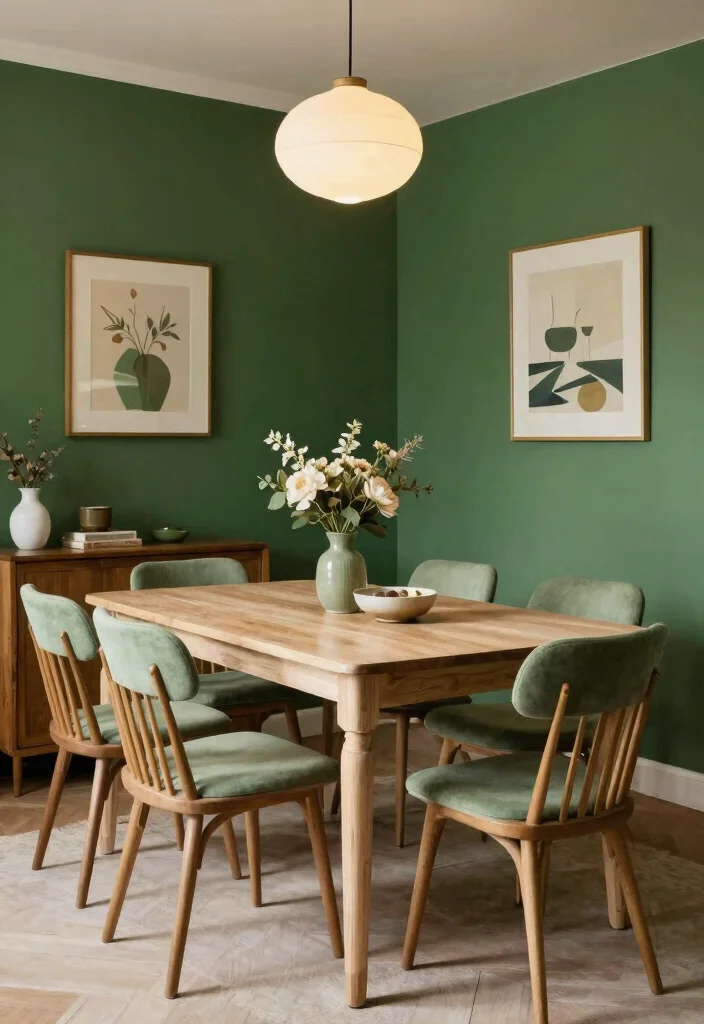
Selecting the right color palette is crucial for achieving a harmonious vintage dining room. Classic hues like deep greens, rich burgundies, or navy can provide an elegant backdrop, while soft pastels evoke a light and airy ambiance. Mixing and matching these colors across furniture, accessories, and wall treatments can create a cohesive and inviting atmosphere.
When choosing your palette, ensure the colors complement your existing furnishings and create a balanced look. Combining bold and neutral tones adds depth and interest, while wallpaper or paint can provide an impactful accent. Embrace the idea of using texture to enhance your color choices, creating a rich visual experience.
Guidelines for selecting your palette:
– Choose colors that harmonize with existing furnishings.
– Balance bold and neutral tones for depth.
– Incorporate wallpaper or paint for added impact.
A well-considered color palette can evoke a sense of nostalgia, keeping your space modern and fresh while reflecting your unique style.


Last update on 2026-02-27 / Affiliate links / Images from Amazon Product Advertising API
9. Artsy Touches
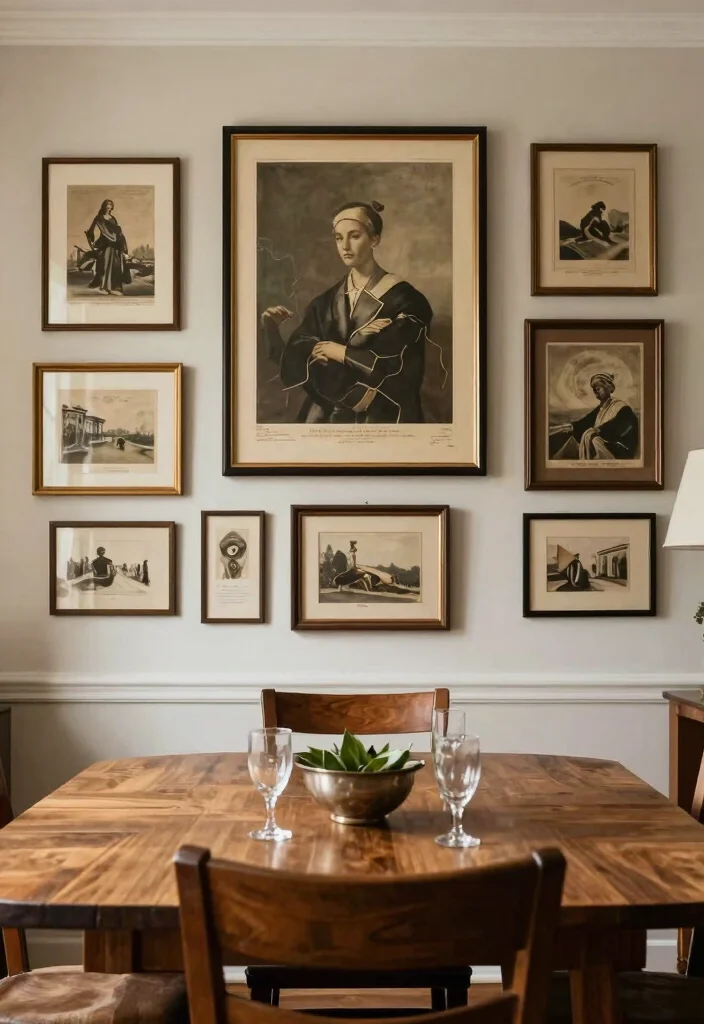
Integrating artwork into your dining room design adds a layer of personality and interest to the space. Vintage prints or modern art pieces can become captivating focal points when arranged thoughtfully. A gallery wall featuring a mix of art styles and frames provides a rich visual experience that enhances your dining atmosphere.
To effectively incorporate art, create a gallery wall that showcases a variety of vintage art, photographs, and eclectic frames. Oversized pieces can make a bold statement, while smaller items can add charm and detail. Choose artwork that reflects your interests and personality, creating a space that feels uniquely yours.
Ways to incorporate art:
– Create a gallery wall with vintage art and photos.
– Use oversized pieces for a bold statement.
– Choose art that resonates with your personality.
Art not only stimulates conversation but also cultivates a unique dining atmosphere where memories are made.
10. Textural Variety
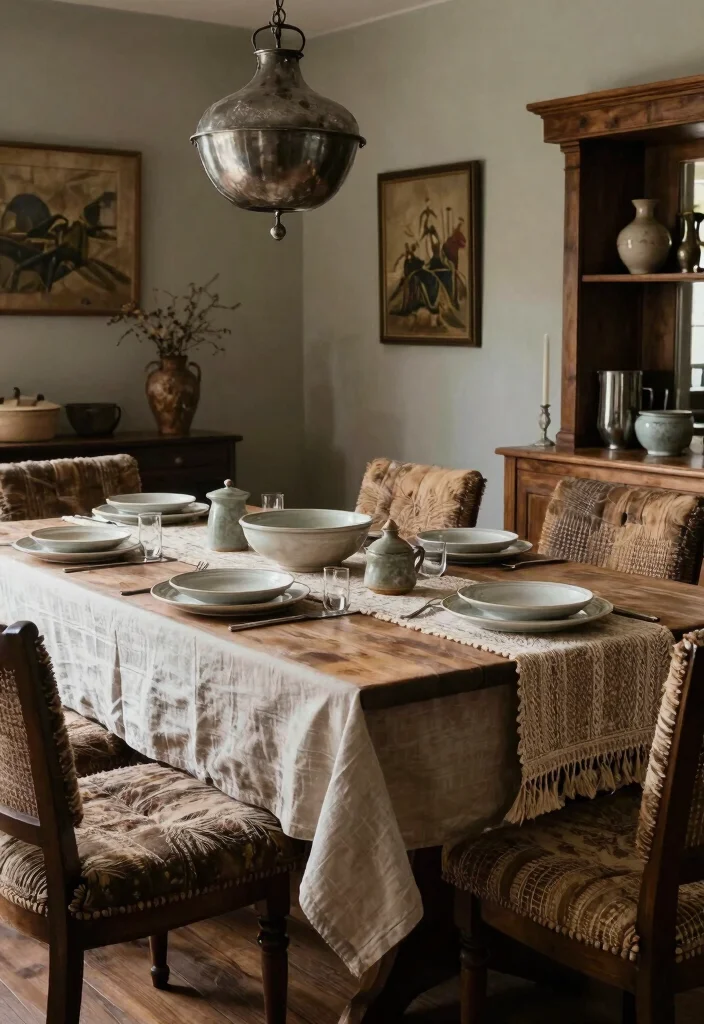
Incorporating a range of textures can elevate your vintage dining room’s aesthetic significantly. Mixing materials such as wood, metal, fabric, and ceramics creates visual intrigue and depth. Consider using plush textiles for chairs or table settings alongside sleek metal accents in your light fixtures and decor.
To mix textures effectively, layer textiles, like a soft tablecloth paired with a textured runner, to create visual interest. Use different materials for chairs and the table to highlight each piece and its unique characteristics. Combining rustic elements with sleek finishes can achieve a modern twist on vintage design.
How to mix textures:
– Layer textiles for added depth and interest.
– Use various materials for chairs and the table.
– Combine rustic elements with sleek finishes.
This thoughtful approach to texture can create a balanced and dynamic look that enhances the overall appeal of your dining space.
11. Vintage Tableware
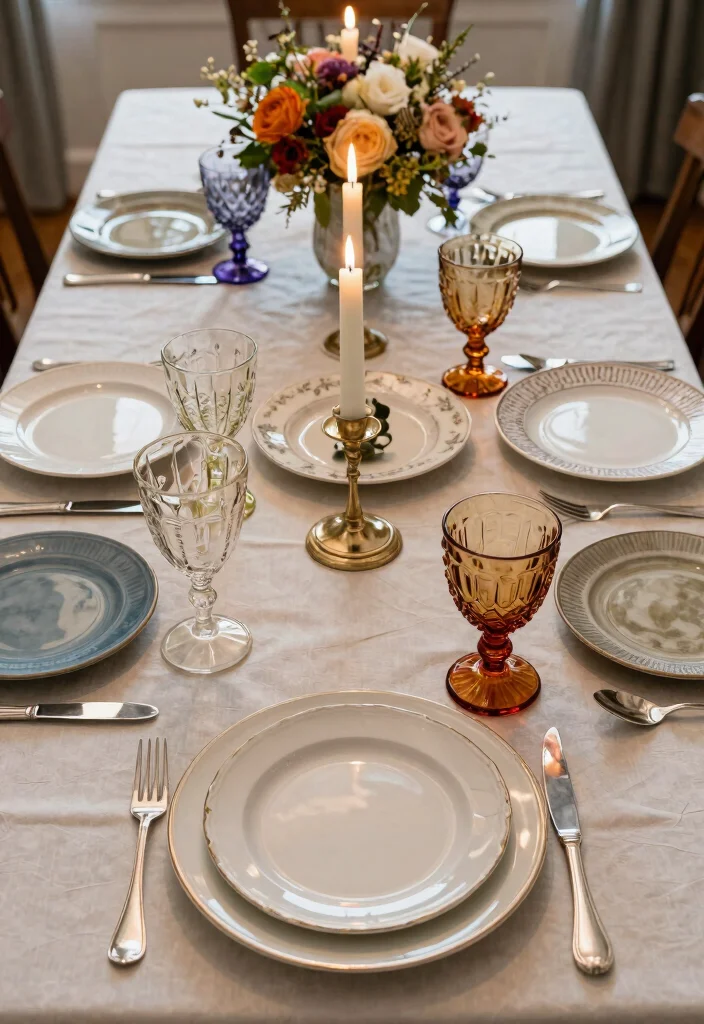
Vintage tableware not only serves a functional purpose but also expresses your distinctive style during meals. Collecting mismatched plates, antique glassware, or vintage cutlery introduces charm and character to your dining experience. Consider using colorful or patterned plates that complement your overall design, adding an inviting touch to your table settings.
To curate your vintage tableware collection, explore thrift stores or estate sales for unique finds that tell a story. Mixing different patterns and styles can create an eclectic table setting that sparks conversation. Seasonal decor can also be used to refresh your tableware, keeping your dining experience exciting throughout the year.
Suggestions for curating vintage tableware:
– Shop at thrift stores for unique items.
– Mix various patterns for an eclectic table setting.
– Use seasonal decor to refresh your display.
Showcasing vintage items on your table not only enhances the dining experience but also transforms an ordinary meal into a memorable occasion.
Fun fact: just 3 thrift-store finds can become a stunning mismatched tableware set. Mix antique glassware with colorful plates to elevate your dining room design vintage instantly. Pro tip: group pieces by color families for a cohesive table.
12. Indoor Plants
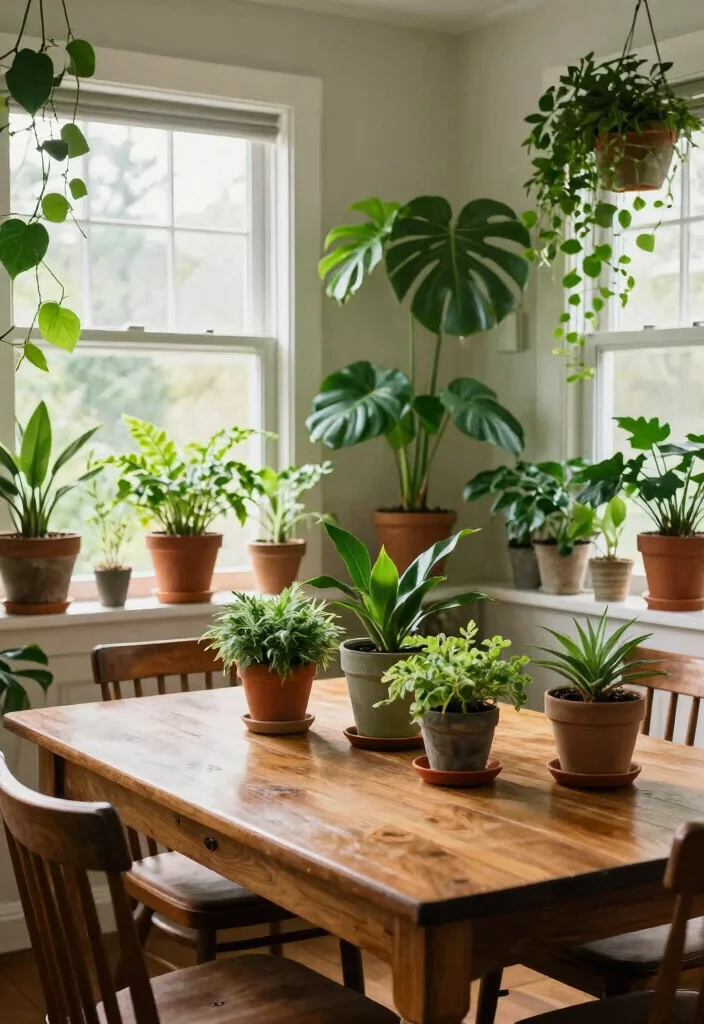
Incorporating indoor plants into your dining room design brings a vibrant touch of nature to the space. Vintage pots or hanging planters can enhance your decor while improving air quality and creating a refreshing atmosphere. Opt for low-maintenance plants, such as succulents or pothos, which thrive indoors and require minimal care.
When adding plants, consider using a variety of heights to create visual layers and interest. Select pots that complement or contrast your decor style, enhancing the overall aesthetic. Incorporating plants into your table settings can add a fresh touch, making every meal feel special.
Best practices for adding plants:
– Use varying plant heights for visual layers.
– Choose pots that match your decor style.
– Incorporate plants into table settings for freshness.
Plants not only beautify your space but also foster a calming atmosphere where you can enjoy meals with family and friends.
13. Personal Touches
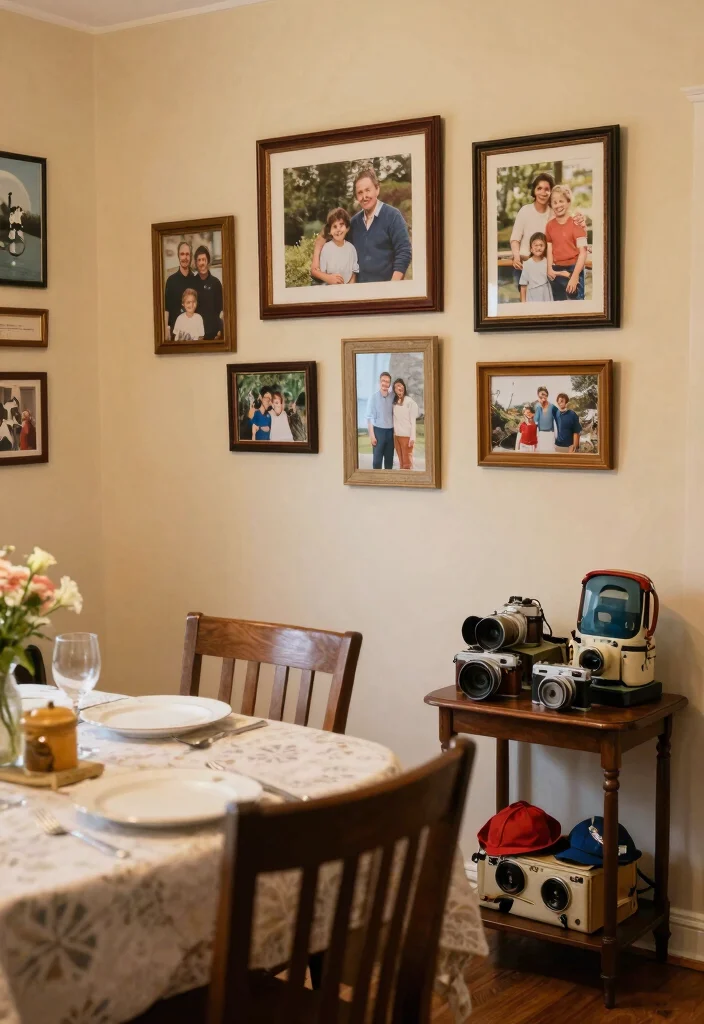
Adding personal touches to your vintage dining room can truly make it feel like home. Family heirlooms, travel souvenirs, or cherished art pieces contribute to the room’s story and evoke fond memories. Display these items prominently to create conversation starters that enrich your dining experience.
To personalize your space, consider incorporating family photos in unique frames on a sideboard or wall. Use keepsakes or gifts as part of your table decor to remind you of special moments. A small display of your favorite travel memories on a shelf can also add character and warmth to the space.
Suggestions for personalizing your space:
– Incorporate family photos in unique frames.
– Use keepsakes as part of table decor.
– Create a display of travel memories on a shelf.
The blend of personal items enhances the aesthetic and infuses your dining area with warmth and sentiment, making every meal feel special.
14. Layered Lighting
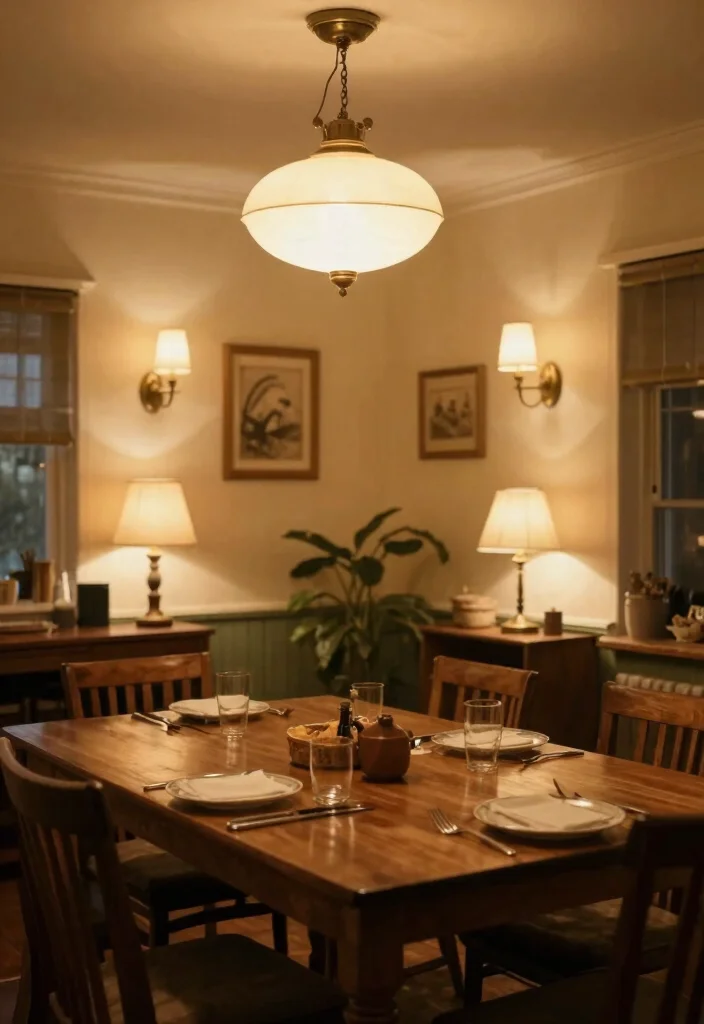
Layered lighting is essential for adding depth and ambiance to your vintage dining space. By combining overhead lighting with wall sconces and table lamps, you can create a warm, inviting glow that enhances the dining experience. Consider using dimmers to adjust the mood according to the time of day or occasion for added versatility.
To layer lighting effectively, use different types of fixtures to find the right balance of illumination. Choose lighting options that complement your vintage decor style, adding to the overall aesthetic. Position table lamps on sideboards or near the dining table to provide warmth and intimacy.
Ways to layer lighting effectively:
– Use various fixtures for balanced light.
– Incorporate lighting that complements your decor style.
– Position lamps for added warmth.
A well-lit dining room enhances the meal experience, creating an inviting atmosphere perfect for gatherings and celebrations.
15. Captivating Centerpieces
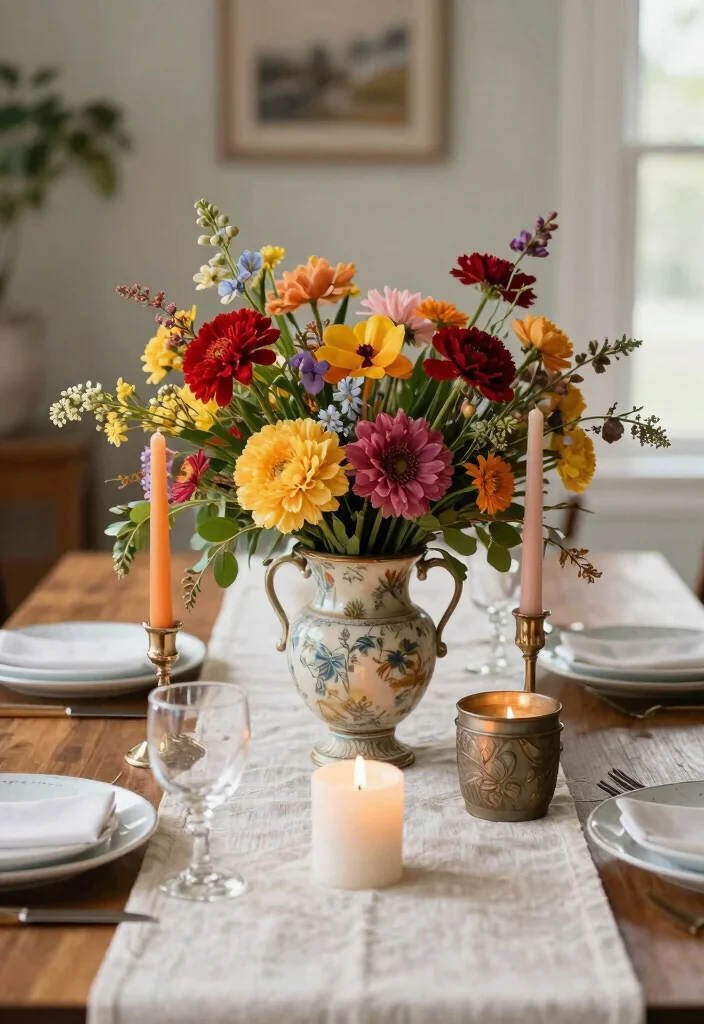
A captivating centerpiece can serve as the focal point of your dining table, drawing the eye and setting the stage for memorable meals. Whether you choose a vintage vase filled with fresh flowers or a unique decorative bowl, the right centerpiece adds charm and personality to your dining experience. Consider changing centerpieces based on the seasons or occasions to keep your table looking fresh and inviting.
When selecting centerpieces, ensure they are proportional to the size of the table to avoid overwhelming the space. Use layers with varying heights to create visual interest and dimension. Incorporating seasonal decor can also keep things lively and relevant throughout the year.
Tips for choosing centerpieces:
– Choose proportional pieces that fit your table.
– Use layers with varying heights for interest.
– Incorporate seasonal decor for freshness.
A thought-provoking centerpiece enhances your dining experience, creating a memorable atmosphere for every gathering and celebration.
Did you know a well-chosen centerpiece can boost dining room ambiance by up to 30%? In dining room design vintage, switch centerpieces with the seasons to keep your table inviting and fresh. Proportion and practicality—keep height below guests’ eye level.
Conclusion
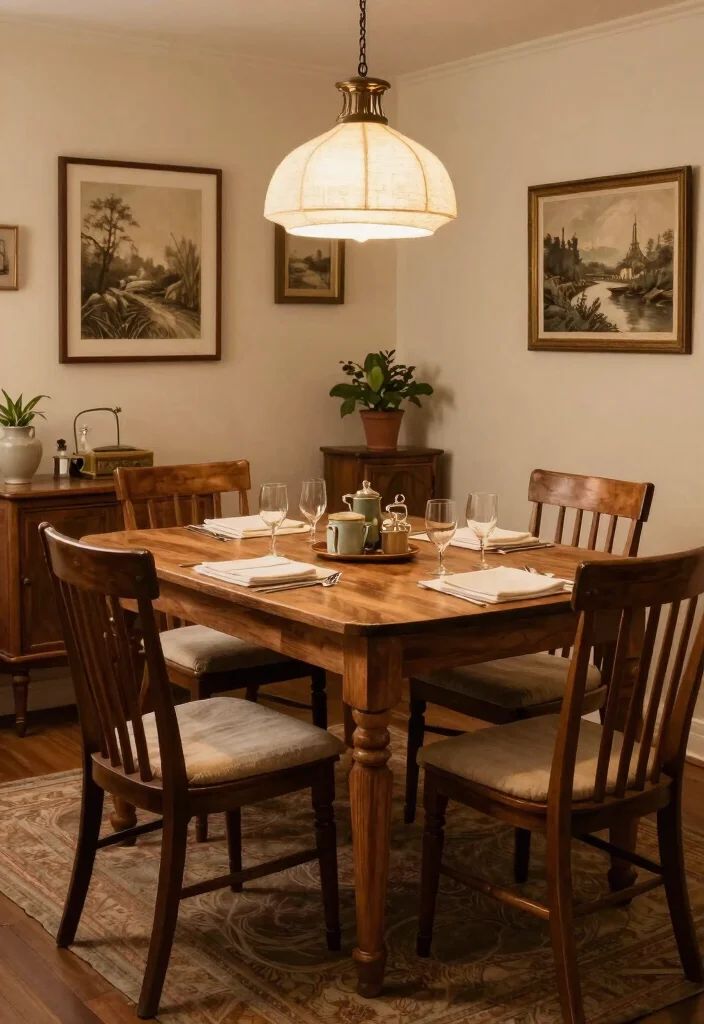
Creating a vintage dining room that balances classic style with livability is all about personal touches and thoughtful design choices.
From eclectic accessories to vintage furniture, there are countless ways to express your unique taste while ensuring a comfortable dining experience.
Happy decorating, and may your dining room be a cherished space for meals, laughter, and unforgettable memories!
Note: We aim to provide accurate product links, but some may occasionally expire or become unavailable. If this happens, please search directly on Amazon for the product or a suitable alternative.
This post contains Amazon affiliate links, meaning we may earn a small commission if you purchase through our links, at no extra cost to you.
Frequently Asked Questions
What makes a dining room design feel vintage yet livable in a mid-century modern home?
To get a vintage dining room design that’s still livable, focus on comfort and function first. Start with a classic mid-century silhouette—clean lines, tapered legs, and warm wood—and layer in everyday seating with cushions for comfort. Choose a neutral base color and bring in vintage dining room decor through textures like walnut, leather, and soft fabrics. Add a statement light and a patterned rug for personality, but keep traffic flow open so the space works for family meals and entertaining. Casual, durable finishes make the classic look feel welcoming rather than formal.
Pro tip: pick one iconic mid-century piece as your anchor and build the rest of the room around it using timeless dining room styles that won’t feel dated.
How can I mix retro dining room furniture with modern pieces without clashing?
Mixing retro with modern is all about balance. Start with an anchor retro piece (a vintage dining table or chairs) and keep the rest of the room relatively simple in color and shape. Use a neutral palette and bring in modern pieces with clean lines that echo the angles or materials of the vintage item. Tie the look together with classic dining room ideas like a unified wood tone, metal accents, and a cohesive rug. Add eclectic dining room accessories sparingly—one bold art piece or set of ceramics—so the room reads cohesive rather than chaotic.
With careful scale and a clear focal point, retro and modern pieces can coexist beautifully and create a dining room design vintage vibe that feels current.
Which classic dining room ideas stand the test of time for a vintage look?
Here are timeless moves that always work: warm wood tones and simple silhouettes; a standout lighting piece (pendant or arc lamp) as a focal point; geometric patterns in a rug or textiles; understated window treatments; and functional layouts that keep chairs pulled out for easy seating. Bring in timeless dining room styles with durable materials, like wood or metal, and keep accessories minimal but meaningful—think a few artworks, a vintage sideboard, and a carefully curated set of vintage dining room decor items.
These ideas create a dining room design vintage feel that remains inviting rather than fussy.
What are smart ways to accessorize a vintage dining room using eclectic dining room accessories?
Use eclectic dining room accessories to tell a story without clutter. Pick a theme (mid-century patterns, botanical textures, or brass accents) and repeat it in a few pieces: a bold centerpiece, a ceramic platter wall display, and a textile runner or placemats. Balance bold items with calmer surfaces—open shelving or a simple wall color—to avoid visual overload. Integrate plants, metal candlesticks, and vintage glassware to add character, while keeping everyday items accessible for family meals.
Remember: with eclectic decor, quality over quantity wins. A handful of well-chosen pieces will feel intentional and chic, not busy.
Where can I find affordable retro dining room furniture and decor, and how should I spot good quality?
Great finds are hiding in thrift stores, estate sales, consignment shops, and online marketplaces. Start by setting a budget and researching typical prices for the pieces you want to avoid overpaying. When evaluating pieces, check for solid construction, stable legs, and no loose joints; inspect veneers and finishes; test upholstery for wear; and verify dimensions fit your space. Look for authentic signs of age that add character, not damage that hurts usability. Consider refinishing or reupholstering to refresh a piece while keeping the retro dining room furniture charm.
With a little patience, you can curate a stylish dining room design vintage look without breaking the bank.
Related Topics
vintage dining room
mid-century modern
classic decor
retro furniture
timeless styles
eclectic accessories
home decor
dining room design
interior design
easy updates
sustainable decor
budget friendly