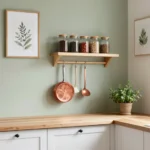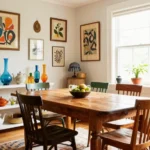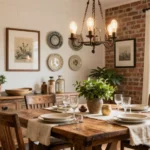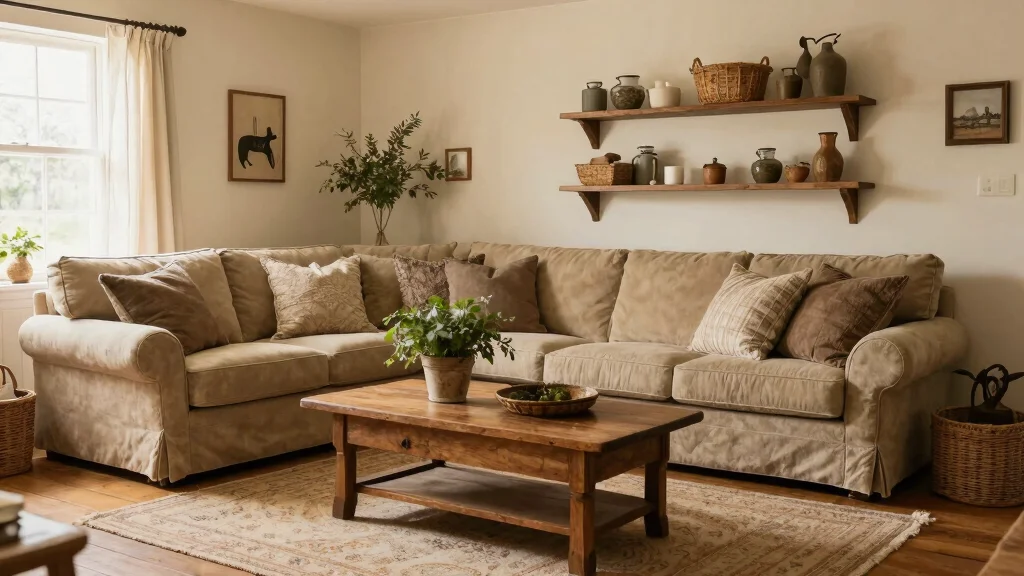
Creating a warm and inviting atmosphere in your living room can transform your home into a sanctuary. With the right farmhouse living room paint colors, you can evoke feelings of comfort and nostalgia, making every family gathering even more special. This post is all about bringing those cozy farmhouse vibes into your space. Whether you’re preparing for a full renovation or simply looking to refresh your existing decor, you’ll find plenty of inspiration here.
If you adore rustic decor and love the idea of creating a cozy haven in your home, this guide is perfect for you. It’s tailored for those who appreciate the charm of farmhouse aesthetics and are eager to incorporate warm paint shades that resonate with comfort and style. You’ll discover twelve beautiful paint color options that will not only enhance the visual appeal of your living room but also create an inviting atmosphere that your family and friends will love.
So, grab a cup of your favorite drink and get ready to explore a range of inviting living room hues! From soft creams to deep navy, these paint colors will help you achieve a space that feels both warm and welcoming. Let’s dive into the comforting world of cozy farmhouse colors!
Key Takeaways
– Explore a variety of cozy farmhouse colors that enhance warmth and comfort in your living room.
– Discover twelve inviting living room hues that create a welcoming atmosphere for family and friends.
– Learn how each color can complement rustic decor palettes and current home interior color trends.
– Gain insights into selecting the perfect shade based on your personal style and room lighting.
– Understand the significance of color choices in making your living room feel homier.
How To Choose The Right Farmhouse Living Room Paint Colors
Choosing the perfect paint color for your farmhouse living room involves considering several key factors. Here’s how to make the best decision:
1. Consider Your Space
Think about the size and layout of your living room. Lighter colors can make smaller spaces feel larger and more open, while richer tones can add warmth and coziness to larger areas.
2. Lighting Matters
Assess the natural light your room receives. North-facing rooms often benefit from warmer tones to counterbalance cool light, while south-facing rooms can handle cooler colors that may appear more vibrant with abundant sunlight.
3. Complement Your Decor
Look at the existing furniture and decor in your room. Choose paint colors that harmonize with these elements. For example, if you have a lot of wooden furniture, warm neutrals may enhance the rustic charm.
4. Test Samples
Always test paint samples on your wall before committing. Colors can look different in various lights and at different times of the day. Paint a small patch and observe how it changes throughout the day.
5. Get Inspired
Browse through magazines, websites, and Pinterest for inspiration. Pay attention to combinations that catch your eye, and consider how you can incorporate them into your living room.
Pro Tip: Create a mood board with color swatches, fabric samples, and images of rooms that inspire you. This can help you visualize how everything will come together.
How Do Farmhouse Living Room Paint Colors Work?
Farmhouse living room paint colors contribute to the overall vibe of your home by influencing how the space feels and looks. Here’s a simple breakdown of how these colors can work for you:
1. Create a Base
Start by selecting a base color that sets the mood—this will be the main color on your walls.
2. Layer with Accents
Add pops of color through accent walls or furniture. This can include colorful throw pillows or artwork that complements your base color.
3. Incorporate Textures
Use different materials and textures (like wood, fabric, and metal) alongside your chosen colors. This creates depth and interest in the space.
4. Adjust Lighting
Consider how your light fixtures and natural light interact with your chosen colors. Good lighting can enhance the warmth or coolness of a color.
Best for: Homes that want to achieve a cozy, welcoming vibe while maintaining a chic, rustic aesthetic.


Last update on 2026-02-28 / Affiliate links / Images from Amazon Product Advertising API
How To Use Color to Enhance Your Farmhouse Living Room
Incorporating the right colors into your living room can elevate your farmhouse decor. Here’s how to effectively use color:
Tools You’ll Need:
– Paint samples
– Paintbrushes and rollers
– Painter’s tape
– Drop cloths
– Mood board (optional)
Step 1: Prep Your Space
✔ Clear the room of furniture and protect the floor with drop cloths.
✔ Use painter’s tape to outline areas you want to keep paint-free.
Step 2: Choose Your Color
✔ Select your main color and any accent colors you want to use.
✔ Test samples on your wall to ensure they work well with your lighting.
Step 3: Start Painting
✔ Begin with the main color on the walls, using a roller for larger areas and a brush for edges and corners.
✔ Once the first coat dries, apply a second coat if necessary to ensure an even finish.
Step 4: Add Accents
✔ After the walls are dry, incorporate your accent colors through decor items like pillows, throws, and artwork.
✔ Consider painting a feature wall or using colorful furniture to tie everything together.
Step 5: Final Touches
✔ Once everything is dried, add your furniture back into the room.
✔ Adjust lighting to highlight your new colors and create a warm ambiance.
⏱ Time: ~4-6 hours for a standard room | 💡 Tip: Invite a friend to help speed up the process and make it more enjoyable!
1. Soft Cream

Soft cream radiates warmth and openness, making it a favored choice for farmhouse living rooms. This gentle hue creates an inviting atmosphere while effortlessly blending with rustic decor elements, from weathered wood to vintage accents. Imagine soft cream walls reflecting sunlight, making small spaces feel larger and more airy, perfect for a relaxed gathering with family and friends.
To truly embrace the beauty of soft cream, consider pairing it with rich wood tones and earthy accents. Layering in muted greens or soft browns can enhance the connection to nature and create a cohesive design. Here are some practical tips to implement this color:
– Use soft cream as a versatile base for your walls.
– Introduce warmth with natural wooden furniture pieces.
– Add textured fabrics like linen and cotton for a cozy touch.
This palette is not only elegant but also timeless, ensuring your living room remains a welcoming haven for years to come.
Soft cream makes farmhouse living room paint colors feel warm and open. It welcomes sunlight and pairs beautifully with weathered wood. Pro tip: keep accents in natural tones to keep spaces airy and cozy for gatherings with family and friends.


Last update on 2026-02-28 / Affiliate links / Images from Amazon Product Advertising API
2. Dusty Sage Green

Dusty sage green embodies tranquility and serenity, making it an excellent choice for a calming living space. This muted hue harmonizes beautifully with natural materials, infusing your farmhouse with an earthy vibe that promotes relaxation and comfort. Picture dusty sage walls paired with rustic wood, creating a cozy nook perfect for unwinding.
To make the most of this soothing shade, complement it with warm wood tones like oak or pine and white or cream furniture for a fresh, airy feel. Here are some tips for incorporating dusty sage into your space:
– Use dusty sage on an accent wall for subtle drama.
– Complement it with natural wicker or rattan for texture.
– Add soft textiles in harmonizing colors to enhance comfort.
This inviting color cultivates an atmosphere of calm, making it an ideal choice for your living room.
Dusty sage green brings calm to any farmhouse living room. Pair it with warm wood tones like oak and white furniture for instant coziness—and you’ll create a relaxing nook you actually use.


Last update on 2026-02-28 / Affiliate links / Images from Amazon Product Advertising API
3. Warm Taupe

Warm taupe seamlessly integrates into any farmhouse style, providing a cozy yet neutral backdrop. With its brown undertones and hints of gray, warm taupe creates a sophisticated ambiance that feels both inviting and homely. Imagine wrapping your space in this color, creating a warm embrace perfect for family gatherings.
Accessorizing with soft whites and deep greens can elevate your design, highlighting the warmth in taupe. Here are some practical tips for using warm taupe:
– Apply it on walls for a cozy, enveloping feel.
– Pair with crisp white trim for a striking contrast.
– Introduce natural elements like wood and greenery for balance.
This versatile color transforms your living room into a welcoming retreat, perfect for both lively gatherings and quiet evenings.
Fun fact: Warm taupe in farmhouse living room paint colors can make spaces feel 25% cozier. Pair with soft whites and deep greens to boost the inviting vibe by another 15%.


Last update on 2026-02-28 / Affiliate links / Images from Amazon Product Advertising API
4. Light Charcoal
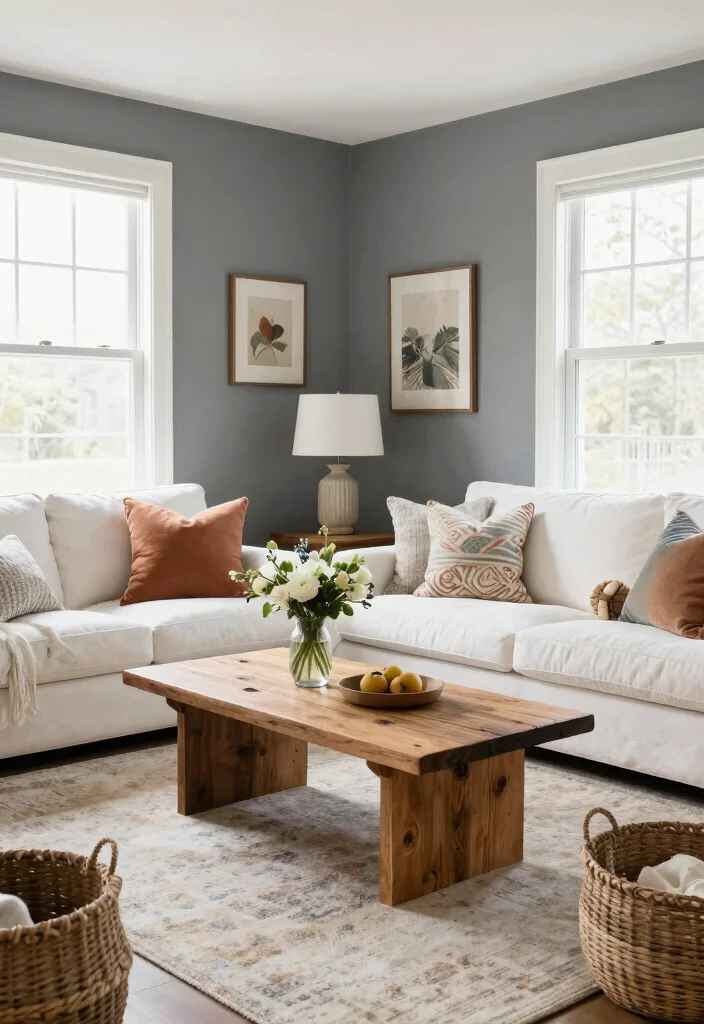
Light charcoal offers a modern twist to farmhouse living rooms, adding depth and sophistication while remaining inviting. This versatile shade is ideal for creating a contemporary aesthetic that feels cozy and chic. Imagine light charcoal walls enhancing vintage decor and rustic elements, striking the perfect balance.
Pairing light charcoal with white or cream furniture creates a stunning contrast, brightening the space while highlighting your design choices. To effectively use light charcoal, consider these tips:
– Use it on an accent wall to draw the eye.
– Layer with soft textiles in light shades to soften the look.
– Incorporate metallic or glass accents for a touch of elegance.
Light charcoal modernizes your farmhouse decor while maintaining a warm and inviting ambiance that welcomes all.

![Shabby Chic Chalk Furniture Paint: Luxurious Chalk Finish Craft Paint for Home Decor, DIY, Wood Cabinets - All-in-One Paints with Rustic Matte Finish [Anthracite] (Dark Gray) - (8.5 oz Covers 32 sf)](https://m.media-amazon.com/images/I/41I9uqHq3sS._SL160_._SL160_.jpg)


Last update on 2026-02-28 / Affiliate links / Images from Amazon Product Advertising API
5. Soft Sand

Soft sand evokes the warmth of sun-kissed days, making it a gentle choice for a relaxed farmhouse living room. This smooth beige hue adds warmth without overwhelming your space, creating a fantastic base for various decor styles. Picture soft sand walls enveloping your living area, setting the stage for comfort and togetherness.
Pairing soft sand with warm whites and deep browns creates a rich, layered look that feels inviting. To enhance the cozy vibe, consider incorporating natural textures like jute or wool. Here are some practical tips for using soft sand:
– Use it as a wall color to warm up your living space.
– Pair with dark wood furniture for a timeless look.
– Layer in soft textiles to invite comfort.
This warm tone is perfect for creating that comforting atmosphere every living room deserves.


Last update on 2026-02-28 / Affiliate links / Images from Amazon Product Advertising API
6. Warm Clay
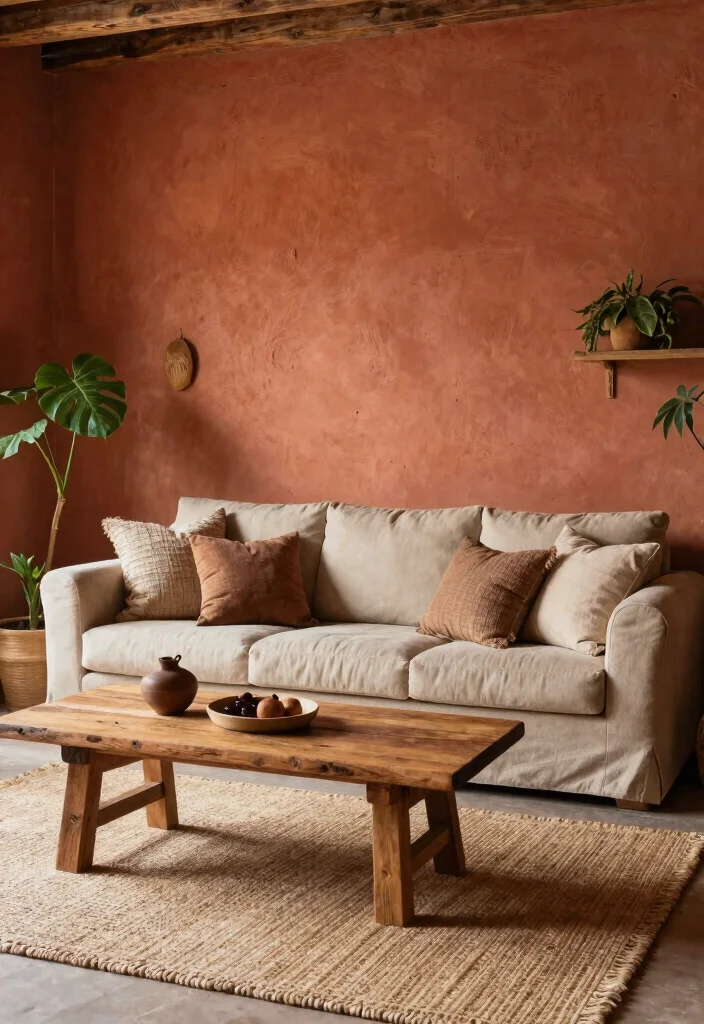
Warm clay draws inspiration from nature, offering a rich earthy tone perfect for a farmhouse living room. This inviting hue resonates with rustic charm, creating a grounded yet stylish atmosphere. Imagine warm clay accent walls or decor pieces that emphasize the comfort of your living space.
Utilizing warm clay can be achieved through statement walls or smaller accents. It pairs beautifully with wood tones and soft greens, enhancing the organic vibe of the room. Consider these approaches to maximize warm clay:
– Use it as a statement wall color for dramatic depth.
– Accessorize with lighter shades to keep the atmosphere inviting.
– Incorporate natural materials like stone or wood for cohesion.
With warm clay, you can create a cozy living space that feels both welcoming and timeless.


Last update on 2026-02-28 / Affiliate links / Images from Amazon Product Advertising API
7. Muted Lavender

Muted lavender adds a delicate touch of color to your farmhouse living room, blending warmth and tranquility. This soft pastel shade brings a refreshing floral note, perfect for crafting a serene space for relaxation. Imagine muted lavender walls paired with crisp whites, creating an airy and inviting environment.
Incorporating muted lavender can be easily achieved through accent walls, textiles, or decor pieces. This color enhances warmth while maintaining a cozy ambiance. Here are some effective tips for using muted lavender:
– Utilize it on an accent wall for a playful touch.
– Balance it with rustic wooden furniture for harmony.
– Add floral or patterned textiles to enhance the inviting character.
Muted lavender offers charm and warmth, creating a comfortable and harmonious environment in your living room.


Last update on 2026-02-28 / Affiliate links / Images from Amazon Product Advertising API
8. Terracotta
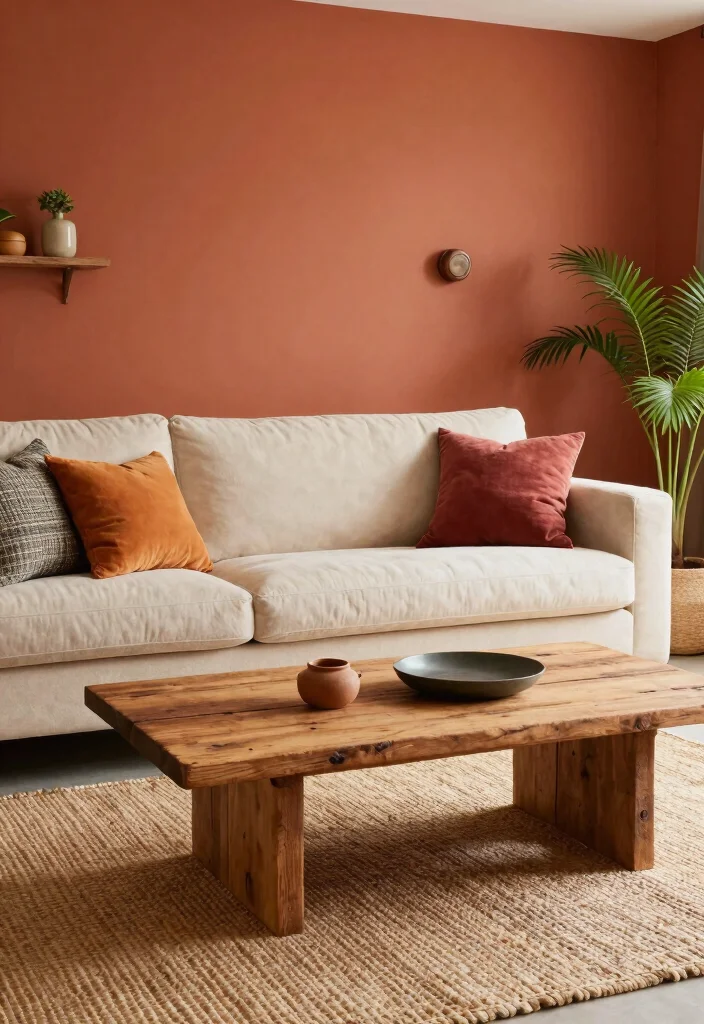
Terracotta brings vibrancy and earthiness to your farmhouse living room. This warm, inviting shade exudes comfort and nostalgia, reminiscent of rustic pottery. Picture terracotta walls or accents that create a lively atmosphere, perfect for family gatherings.
Pairing terracotta with soft neutrals balances its boldness and creates a harmonious look. Consider introducing natural textures like wood and woven materials to enhance its earthy appeal. Here are some tips for using terracotta:
– Use it on an accent wall for a bold statement.
– Add soft, neutral furniture to tone down the vibrancy.
– Incorporate natural elements like greenery to maintain freshness.
Embracing terracotta in your living room creates an inviting atmosphere, ideal for creating lasting memories with loved ones.


Last update on 2026-02-28 / Affiliate links / Images from Amazon Product Advertising API
9. Soft Blush
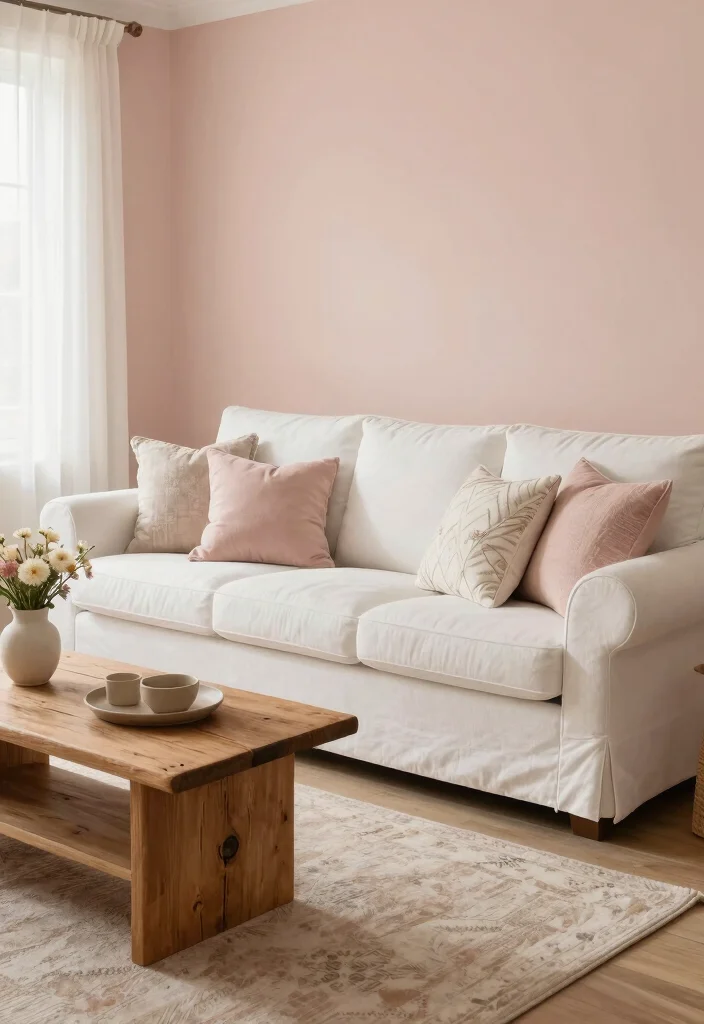
Soft blush is a gentle hue that adds warmth and elegance to farmhouse living rooms. This delicate color creates a romantic atmosphere while maintaining a cozy and welcoming feel. Imagine soft blush walls or furniture pieces that subtly enhance your decor.
Soft blush pairs beautifully with whites, creams, and even deeper shades, allowing for creative freedom in your styling. To maximize the charm of soft blush, consider these suggestions:
– Use it on walls or large furniture for a soft backdrop.
– Layer with warm neutrals for a cohesive look.
– Add floral patterns in textiles to enhance the inviting feel.
Soft blush transforms your living room into a charming retreat, where warmth and creativity flourish.


Last update on 2026-02-28 / Affiliate links / Images from Amazon Product Advertising API
10. Deep Navy
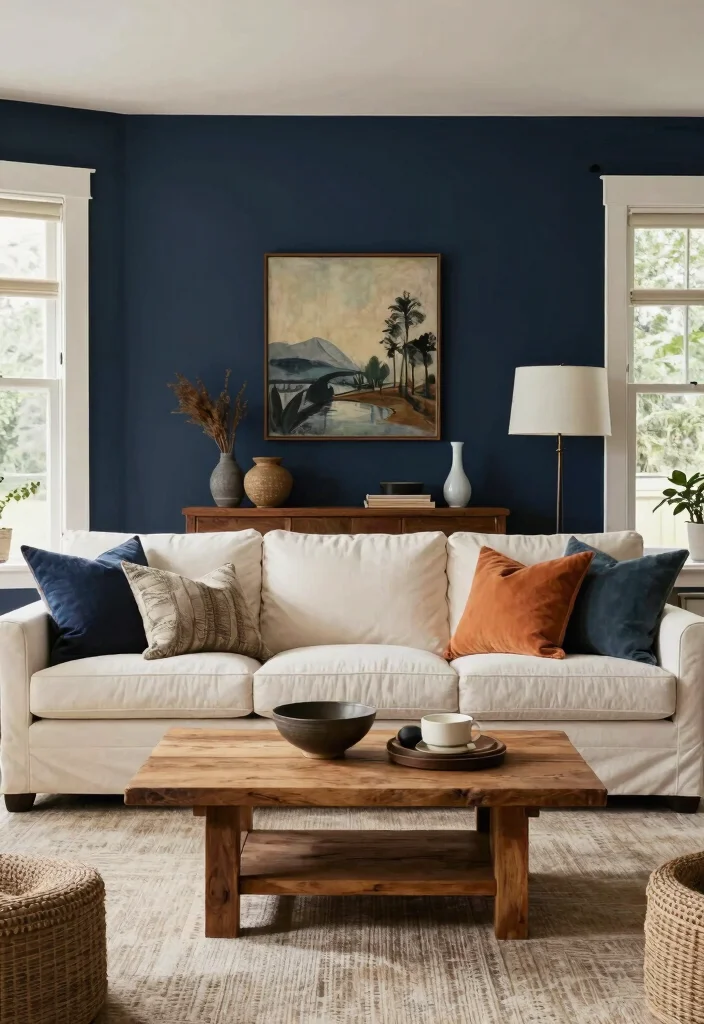
Deep navy is a striking choice for farmhouse living rooms, offering a modern twist on traditional aesthetics. This rich hue creates a captivating contrast with lighter furnishings while maintaining a cozy ambiance. Imagine deep navy walls that anchor your space, evoking calm and sophistication.
When combined with warm wood tones and soft whites, deep navy helps define the character of your room. To incorporate this bold color effectively, try these tips:
– Use deep navy for an accent wall to create a focal point.
– Pair with warm neutrals to soften its impact.
– Incorporate metallic or glass elements for a touch of elegance.
Deep navy adds depth and sophistication to your farmhouse living room, ensuring it feels warm and inviting.
11. Light Olive Green
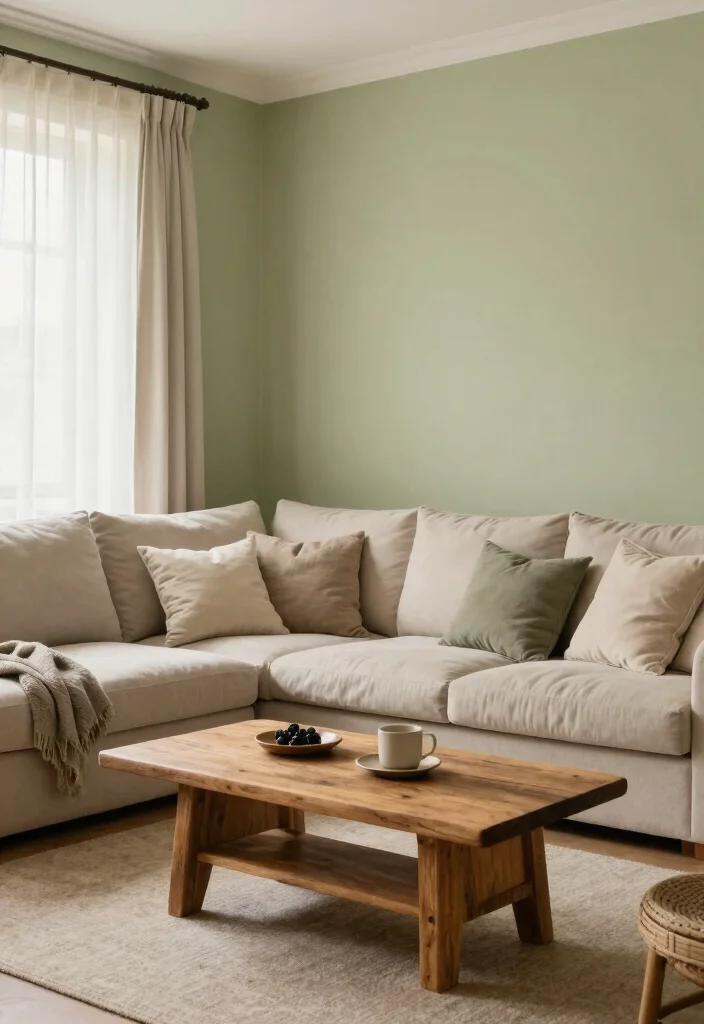
Light olive green beautifully connects your living space to nature, offering a warm and inviting hue. This calming shade creates a soothing ambiance perfect for relaxation, pairing seamlessly with natural wood and soft white accents. Imagine light olive green walls that breathe life into your farmhouse, fostering a serene atmosphere.
Using light olive green enhances the organic beauty of your living space. Here are some tips for incorporating this refreshing hue:
– Use it as a wall color for a fresh, airy environment.
– Pair with natural textiles for added warmth.
– Incorporate light wood elements to balance the color.
Light olive green creates a welcoming ambiance, ideal for family gatherings and quiet moments alike.
12. Creamy White
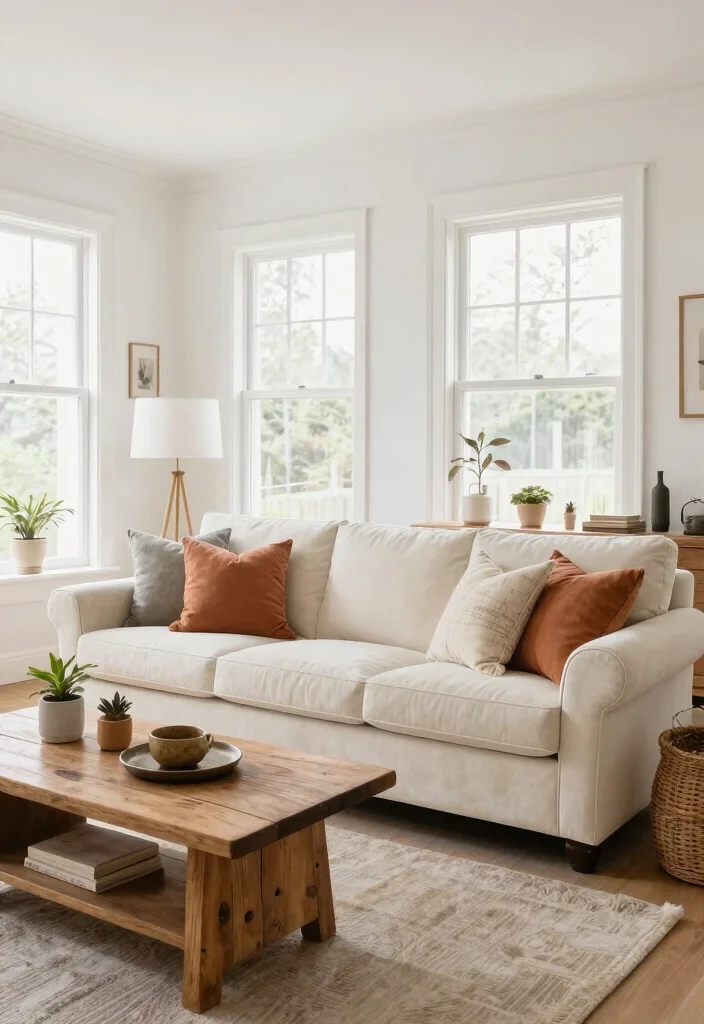
Creamy white stands as the quintessential warm neutral, capturing the essence of farmhouse style. This timeless shade offers a classic backdrop that enhances other colors, creating an inviting and bright atmosphere. Picture creamy white walls making your living room feel larger and cozier, welcoming all who enter.
Pairing creamy white with warm wood tones and colorful decor elements breathes life into your living space while balancing simplicity and comfort. Here are some ideas for incorporating creamy white:
– Use it as a primary wall color for an open feel.
– Layer warm textiles for added depth.
– Accentuate with colorful decor to spark interest.
With creamy white as your foundation, you create a timeless living room that invites warmth and comfort into your home.
Conclusion
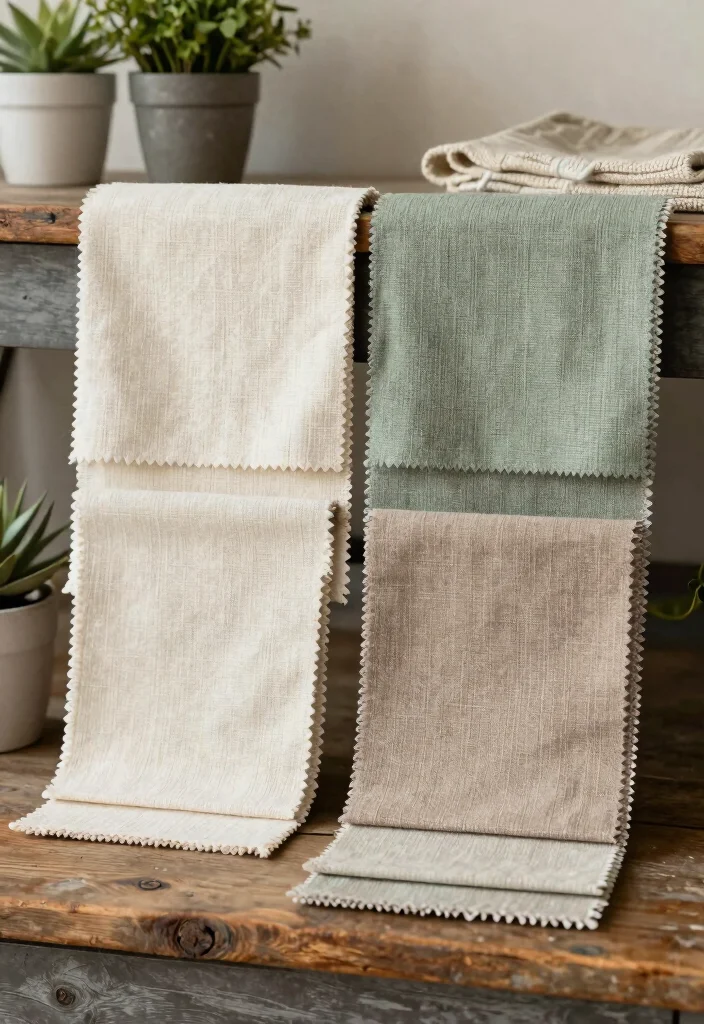
Choosing the right paint color for your farmhouse living room is essential in creating a warm and inviting atmosphere. The colors mentioned in this list, from soft cream to deep navy, offer unique ways to enhance your space while embodying the essence of rustic charm. Whether you prefer earthy tones or subtle pastels, there’s a color here that will resonate with your style.
Don’t be afraid to experiment with these colors and see what works best for your space. Your living room should reflect your personality while being a cozy haven for you and your loved ones!
Note: We aim to provide accurate product links, but some may occasionally expire or become unavailable. If this happens, please search directly on Amazon for the product or a suitable alternative.
This post contains Amazon affiliate links, meaning we may earn a small commission if you purchase through our links, at no extra cost to you.
Frequently Asked Questions
What are the top farmhouse living room paint colors that feel warm and inviting?
For a warm, inviting space, start with creamy whites, soft beiges, greiges, and warm taupes. These farmhouse living room paint colors pair beautifully with natural wood and rustic decor palettes, creating instant coziness. Test several options in daylight and under lamps by painting a 2×2 foot patch to compare undertones side by side. In line with the article 12 Farmhouse Living Room Paint Colors That Feel Warm and Inviting, these shades show how a single color can anchor the room, so look for warmth over stark neutrality. Remember that lighting shifts color, so check at different times of day.
How can I choose cozy farmhouse colors for a living room makeover?
Start with a neutral base and layer in warm, earthy accents. Seek colors with warm undertones that play nicely with natural textures like wood, linen, and jute. Use the article as a jumping-off point for cozy farmhouse colors while tailoring to your lighting and furniture. Build a mood board, sample swatches, and keep one anchor hue that ties textiles, rugs, and accessories together for a cohesive, inviting look. Let warm paint shades guide your choices rather than chasing trends.
What finishes work best for farmhouse living room paint colors to keep the space warm and inviting?
For soft, warm tones, choose low-sheen finishes like eggshell or satin on walls; they reflect light gently and hide imperfections. If the room gets heavy traffic or kids, a washable matte can still work with careful cleaning. Use a contrasting finish on trim (semi-gloss) to add crispness without sacrificing warmth. Always test sheen on a sample wall to see how it changes with your lighting and furniture.
How can I test warm paint shades in a room with changing light?
Start with large swatches or sample pots and paint a wall patch to watch how the color shifts from daylight to evening lamp light. Observe the patch at different times of day and under your actual bulbs, as warm hues can read peachy, honey, or creamy depending on the light. Compare against your furniture and textiles until you find a harmonious balance that feels inviting. Keep a simple color journal and note undertones you notice to guide final decisions.
How do I incorporate rustic decor palettes with farmhouse living room paint colors without it looking busy?
Pick one main color as the anchor and introduce 1–2 complementary hues from rustic decor palettes for accents in pillows, art, and throws. Bring in natural textures like wood beams, wicker, metal, and jute to reinforce the rustic vibe while walls stay soft. Use deliberate contrast (light walls with darker accents or vice versa) to keep the space from feeling heavy. If you’re referencing the article 12 Farmhouse Living Room Paint Colors That Feel Warm and Inviting, let those colors ground the design and personalize them to your space with lighting and scale.
Related Topics
farmhouse decor
warm paint shades
cozy farmhouse colors
inviting living room hues
rustic color palettes
home interior trends
DIY farmhouse makeover
color scheme ideas
easy updates
vintage style
seasonal decor
beginner friendly