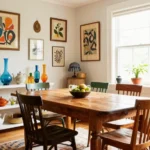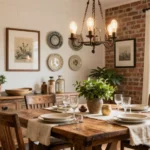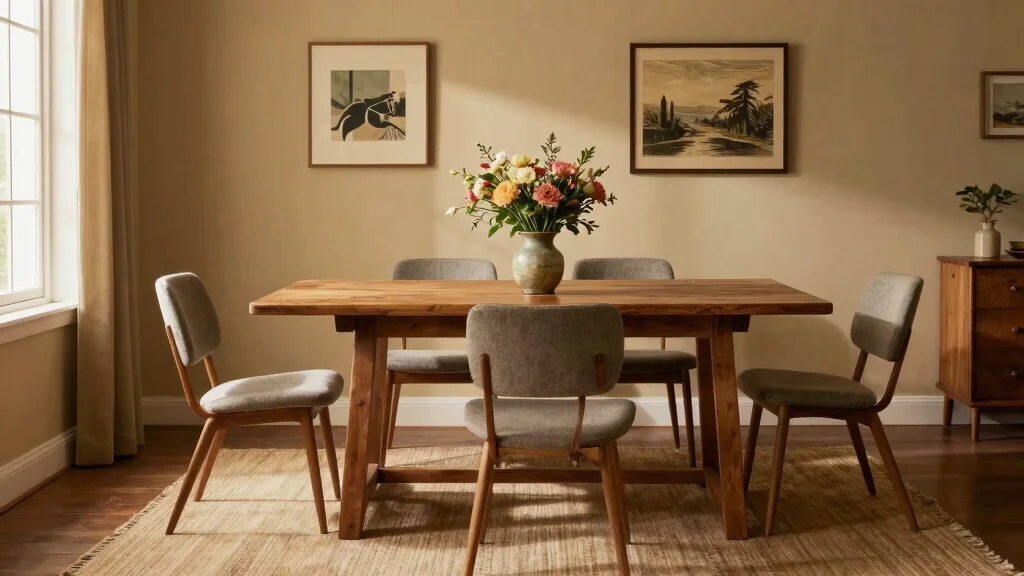
Creating a vintage modern dining room is like wrapping your home in a warm, inviting hug. There’s something special about blending mid-century charm with modern comforts, evoking feelings of nostalgia while also catering to contemporary tastes. I crafted this post to help you discover delightful ideas that will transform your dining space into a cozy haven. By exploring these creative concepts, you can bring a sense of warmth and timelessness into your home.
If you’re someone who appreciates the unique character of vintage furniture, loves the aesthetics of retro dining room design, or simply wants to create a cozy dining room decor that feels inviting, this guide is for you. Here, you’ll find a curated collection of 14 vintage modern dining room ideas designed to inspire you to create a space that reflects your personality and preferences. Whether you’re redecorating or starting from scratch, you’ll find something here to spark your creativity.
Get ready to explore ideas that are both practical and stylish. You’ll learn how to incorporate warm color palettes, vintage furniture accents, and timeless interior styles that will make your dining room feel comfortable and welcoming. From statement lighting to personalized touches, this guide has everything you need to make your dining space a true reflection of you.
Key Takeaways
– Explore how earthy tones create a warm atmosphere that is perfect for gatherings and everyday dining.
– Discover vintage furniture accents that add character and nostalgia to your dining room.
– Learn about layering textures to enhance the coziness and visual interest of your space.
– Find out the importance of statement lighting in setting the mood and style of your dining area.
– Get tips on seasonal decor changes that keep your space fresh and inviting throughout the year.
How To Choose The Right Vintage Modern Dining Room Decor
– Style: Begin by identifying the overall style you want. Do you prefer a more classic mid-century modern look, or are you leaning toward a mix of retro and contemporary elements? Choose decor that reflects your personal taste while harmonizing with existing furniture.
– Color Palette: Warm color palettes play a vital role in achieving a cozy feel. Consider hues like mustard yellow, olive green, or terracotta that complement each other and your furniture. Test paint samples in your space to see how they look at different times of the day.
– Furniture Selection: Seek out vintage furniture pieces that not only fit your aesthetic but also serve a purpose. Look for dining tables and chairs that are both stylish and comfortable. Pay attention to the quality of materials to ensure longevity.
– Accessories and Accents: Think about the smaller details like tableware, wall art, and textiles. Vintage tableware can add a unique touch, while curated wall art can reflect your personality. Incorporate items that help tell your story.
– Budget: Establish a budget before you start shopping. Vintage finds can vary widely in price, so determine what you’re willing to spend on key items. Consider investing more in statement pieces while seeking budget-friendly options for accessories.
Pro Tip: Don’t be afraid to mix eras. Combining different vintage styles can create a unique and inviting atmosphere that feels both modern and timeless.
How To Incorporate Vintage Furniture Accents
When choosing vintage furniture accents for your dining room, the goal is to enhance the space without overwhelming it. Here’s how to do it effectively:
– Step 1: Assess Your Space: Analyze your dining area to understand what types of vintage pieces will fit. Measure your space to ensure that larger items like tables and cabinets won’t crowd the room.
– Step 2: Choose Statement Pieces: Look for standout items, such as a bold dining table or unique chairs. These pieces should act as focal points in the room. Consider items with interesting shapes or designs that spark conversation.
– Step 3: Mix with Modern Elements: Blend vintage with contemporary items to create balance. For example, pair a rustic wooden table with sleek metal chairs. This mix keeps the space from feeling too dated or overly eclectic.
– Step 4: Layer with Textures: Incorporate different materials. A velvet table runner can add a soft touch against a wooden table. Use woven placemats or ceramic dishes to enhance texture diversity.
Best for: Creating a dining room that feels both stylish and inviting, perfect for entertaining guests and family dinners.
How To Style Your Vintage Modern Dining Room
Styling your dining area is key to making it feel warm and inviting. Here’s how to get started:
– Tools You’ll Need:
– Measuring tape
– Paint samples
– Fabric swatches
– Decorative items (candles, plants, etc.)
– Step 1: Plan Your Layout: Begin by deciding how you want the furniture arranged. Ensure there’s enough space for movement around the table. Draw a simple floor plan to visualize where each piece will go.
– Step 2: Choose a Focal Point: Identify what you want to draw attention to, whether it’s a stunning light fixture or an eye-catching piece of art. Position your dining table to complement this focal point.
– Step 3: Add Layers: Introduce layers with textiles like tablecloths, placemats, or curtains. Mix patterns and textures to create interest. Throw pillows on dining chairs can also add comfort and style.
– Step 4: Incorporate Lighting: Install a statement light fixture above the dining table. This will not only illuminate the space but also add a stylish touch. Use dimmable bulbs to adjust the mood as needed.
– Step 5: Personalize with Decor: Finish by adding personal touches. Display seasonal decor, cherished photographs, or travel souvenirs. These elements make the space uniquely yours and invite conversation.
⏱ Time: ~3-5 hours depending on the size of your room and your level of detail.
💡 Tip: Don’t rush the process. Take your time finding the right pieces, and allow your dining room to develop naturally into a space that reflects who you are.
Creating a vintage modern dining room can be both fun and rewarding. By incorporating various elements, from earthy color palettes to unique vintage accents, you can achieve a warm and inviting atmosphere that feels timeless. Enjoy the process of making your dining space a true reflection of your style!


Last update on 2026-02-28 / Affiliate links / Images from Amazon Product Advertising API
1. Embrace Earthy Tones
Earthy tones are essential for crafting a vintage modern dining room that radiates warmth and comfort. Colors like terracotta, olive green, and soft browns work together to create a serene atmosphere that feels both inviting and timeless. Pairing these shades with natural fabrics like linen or cotton elevates the space, making it perfect for gatherings or quiet meals alike.
To implement this palette effectively, consider selecting accent pieces that highlight these earthy tones. Budget-friendly options can include upcycled furniture or soft textiles that enhance the overall look while keeping costs down.
Consider these elements to maximize this palette’s potential:
– Paint an accent wall in a rich earthy hue.
– Use earthy-colored dishware to complement your table settings.
– Introduce potted plants in warm ceramic pots for natural charm.
This thoughtful approach brings both sophistication and approachability to your dining space, while the textures and materials enhance the overall aesthetic.
Fun fact: When you lean into earthy tones like terracotta and olive green, a vintage modern dining room feels up to 25% warmer. Start small with linen-covered chairs or a cotton table runner to see the cozy magic quickly.
| # | Preview | Product | Price | |
|---|---|---|---|---|
| 1 |

|
Natural Stone Small Hanging Lamp Mid Century Modern Kitchen Island Pendant Light Fixture Vintage... | $107.95 | Buy on Amazon |
Last update on 2026-03-01 / Affiliate links / Images from Amazon Product Advertising API
2. Vintage Furniture Accents
Incorporating vintage furniture into your dining room adds character and a unique charm. A retro sideboard or a one-of-a-kind dining table can serve as a stunning focal point, showcasing your personal style while sparking conversation.
To create an eclectic look, don’t hesitate to mix different styles; a classic 1960s table paired with modern chairs can create a striking contrast. Explore thrift stores for second-hand treasures that can be refurbished, giving them new life while remaining budget-friendly.
Consider these strategies to enhance your space:
– Mix and match various furniture styles for visual interest.
– Refurbish second-hand pieces for a fresh feel.
– Display cherished items like vintage cookbooks to personalize your space.
These elements ensure your dining room is a reflection of your personality, making it a truly special place for gatherings.
Mixing vintage furniture into a vintage modern dining room creates warmth and personality you can actually use. A retro sideboard or 1960s table becomes a focal point beside modern chairs for contrast. Pro tip: thrift stores help you find treasures to refresh your space on a budget.


Last update on 2026-02-28 / Affiliate links / Images from Amazon Product Advertising API
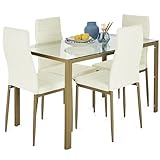
3. Layered Textures
Creating a cozy dining atmosphere revolves around the textures you choose. Layering different materials can introduce depth and visual interest, making the space feel inviting.
Start with a beautiful area rug to anchor your dining area, selecting one with a vintage pattern or a solid color that complements your decor. Add cushions in various fabrics to your chairs for comfort and style, enhancing both aesthetics and usability.
Here are some ideas to enrich your dining experience:
– Lay down a vintage-patterned area rug to define the space.
– Incorporate cushions in diverse fabrics for added comfort.
– Use layered table linens to create a dynamic table setting.
These textures not only enhance comfort but also invite guests to settle in and enjoy every moment shared together.



Last update on 2026-02-28 / Affiliate links / Images from Amazon Product Advertising API
4. Statement Lighting

Lighting plays a pivotal role in establishing the mood of your dining room. A striking chandelier or pendant light can become the centerpiece of the space while providing the perfect ambiance for any occasion.
Consider opting for oversized fixtures that draw the eye upward, adding drama and elegance to your dining experience. Using warm LED bulbs creates a cozy glow, making it perfect for evening gatherings. Installing dimmer switches allows you to adjust the brightness to suit your needs.
Explore these lighting ideas:
– Choose an oversized fixture to make a bold statement.
– Use warm LED bulbs for a welcoming glow.
– Install dimmer switches to control lighting levels.
With thoughtful lighting choices, you can effortlessly transition your dining room from casual brunches to intimate dinners, enhancing its versatility.


Last update on 2026-02-28 / Affiliate links / Images from Amazon Product Advertising API
5. Curated Wall Art
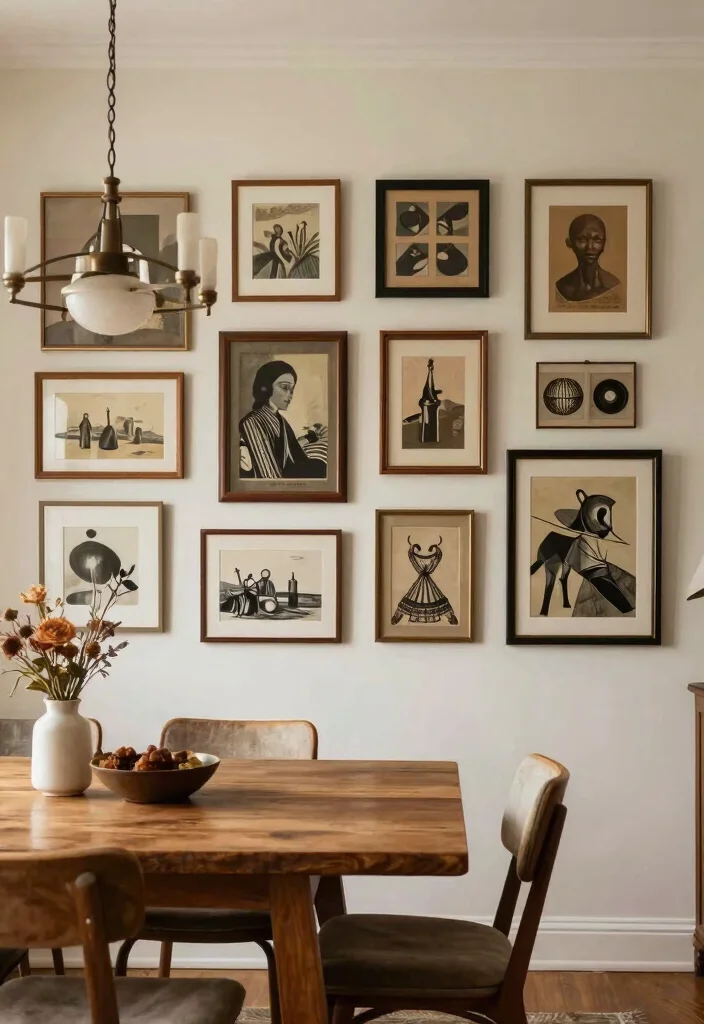
Wall art is a vital component in adding personality to your dining room. A carefully curated collection can tie together your overall design while evoking cherished memories.
Create a gallery wall featuring a mix of vintage prints, family photos, and unique art pieces framed in complementary styles. Consider investing in a large artwork to serve as a focal point, or switch out your decor seasonally to keep the space feeling fresh.
Here are ways to elevate your dining room’s character:
– Create a gallery wall with diverse art pieces.
– Invest in a large statement artwork.
– Rotate seasonal decor to keep things lively.
This intentional curation beautifies the room while serving as a delightful conversation starter for your guests.


Last update on 2026-02-28 / Affiliate links / Images from Amazon Product Advertising API
6. Rustic Touches
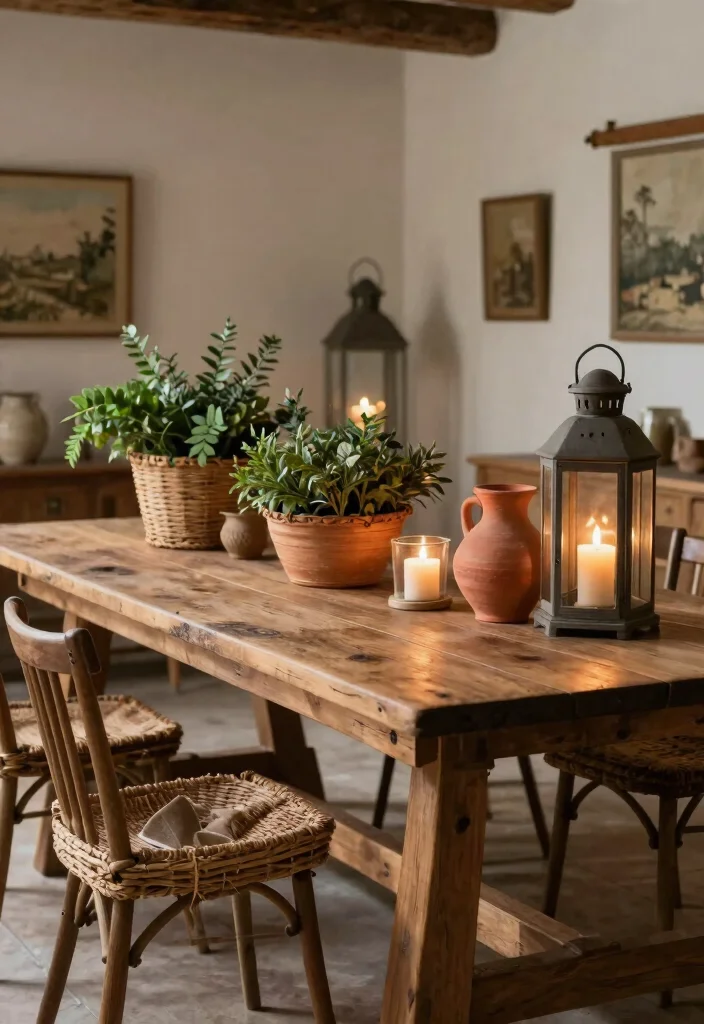
Incorporating rustic elements into your dining room design enhances its warmth and character. Raw wood, natural materials, and rustic decorations can create a homely atmosphere that feels lived-in and welcoming.
Select a solid wood dining table with a weathered finish to bring a rustic vibe to the space. Complement this with woven baskets or clay pots to infuse a touch of nature indoors. Adding rustic-style candles or lanterns as centerpieces can elevate the ambiance.
Consider these rustic elements for your dining area:
– Choose a weathered wood table for a rustic touch.
– Use natural decor items like woven baskets.
– Incorporate rustic candles for added warmth.
These touches harmoniously blend with vintage and modern styles, creating a space that feels inviting and full of life.


Last update on 2026-02-28 / Affiliate links / Images from Amazon Product Advertising API
7. Layering Colors

A vintage modern dining room benefits from a harmonious color palette that combines warmth with retro charm. Layering colors strategically can create a rich, inviting space that feels cozy yet stylish.
Select 2-3 accent colors to complement your main palette, such as muted shades of mustard, teal, or soft pink. Use these hues in cushions, art, or table settings to create depth without overwhelming the space.
Explore these color layering techniques:
– Choose accent colors to enhance your main palette.
– Incorporate colors into cushions and decor.
– Ensure colors harmonize for a balanced atmosphere.
A well-thought-out color scheme adds warmth and character, making your dining area a delightful place to gather.


Last update on 2026-02-28 / Affiliate links / Images from Amazon Product Advertising API
8. Mid-Century Modern Chairs
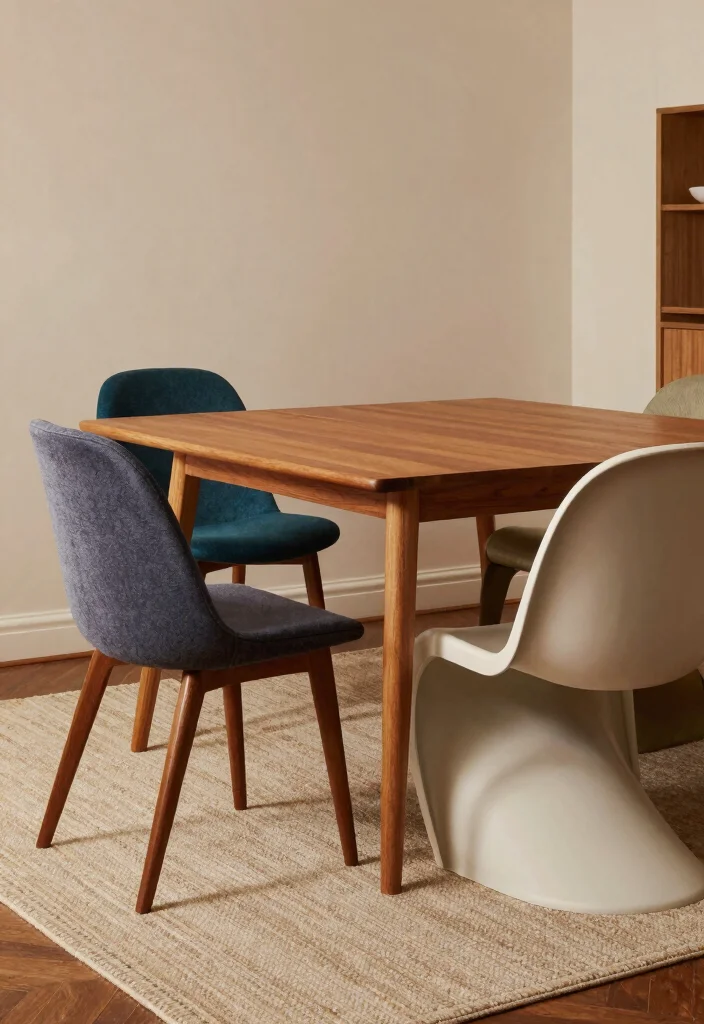
Mid-century modern chairs embody the essence of vintage modern design, effortlessly combining style and comfort. Their clean lines and organic shapes make them an ideal choice for any dining setting.
Explore various designs, from Eames chairs to wishbone styles, and don’t hesitate to mix different types for visual intrigue. Opt for chairs in bold colors to make a statement, or neutral tones for a subtle yet sophisticated look.
Consider these chair selection tips:
– Explore different mid-century designs for variety.
– Choose bold colors for a striking effect.
– Ensure ergonomic designs for comfort during meals.
These iconic pieces not only enhance your dining room’s aesthetic but also provide a timeless appeal that elevates your dining experience.




Last update on 2026-02-27 / Affiliate links / Images from Amazon Product Advertising API
9. Vintage Tableware
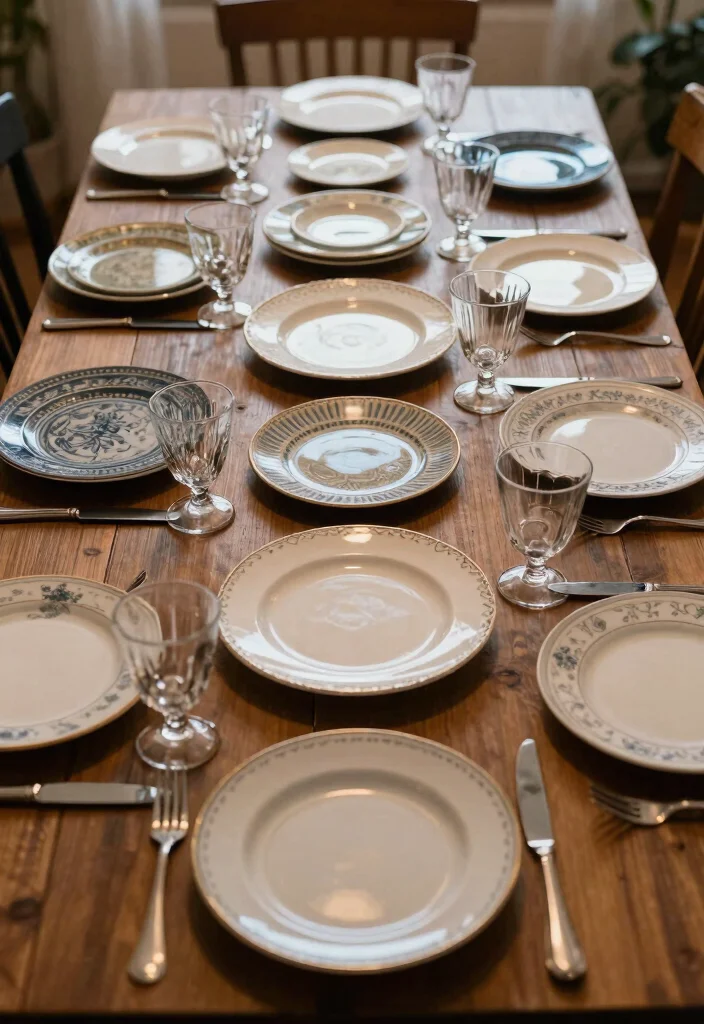
Tableware greatly influences the dining experience, and vintage pieces can add a nostalgic touch to your table setting. Each item tells a story, contributing to the overall charm of your dining room.
Embrace a mix-and-match approach with a variety of vintage plates, glassware, and cutlery to create an eclectic tablescape. Don’t hesitate to showcase family heirlooms or treasures collected from your travels for added character.
Here are ways to enhance your table setting:
– Use vintage dishware to create a unique tablescape.
– Incorporate family heirlooms into your decor.
– Create themed settings for special occasions.
This thoughtful approach beautifies your dining area and sparks conversations centered around cherished memories.
Fun fact: a table set with 3 vintage plates, 2 glassware styles, and 1 heirloom piece instantly feels nostalgic and inviting. Mix, match, and tell your table’s story—it’s the practical shortcut to warm, timeless vibes.


Last update on 2026-02-28 / Affiliate links / Images from Amazon Product Advertising API
10. Open Layouts
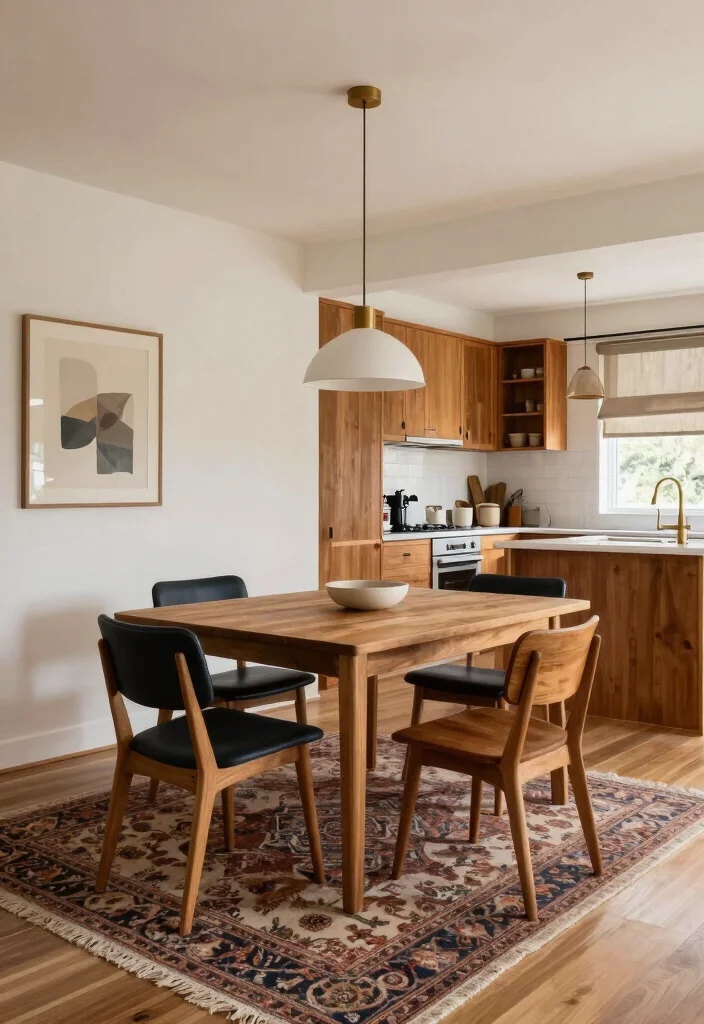
An open layout fosters a spacious and inviting atmosphere in your dining room. When the dining area flows seamlessly into the kitchen or living area, it encourages social interaction and makes entertaining effortless.
Define your dining area using rugs or thoughtfully arranged furniture, creating a sense of space within the openness. Ensure the layout allows easy movement between areas, maintaining a cohesive style across the open spaces for harmony.
Here are tips to enhance your open layout:
– Use rugs to define the dining space.
– Ensure easy access between areas for comfort.
– Maintain a unified decor style across spaces.
This design choice not only makes your dining area feel larger but also enhances the warmth and connection within your home.
11. Natural Elements
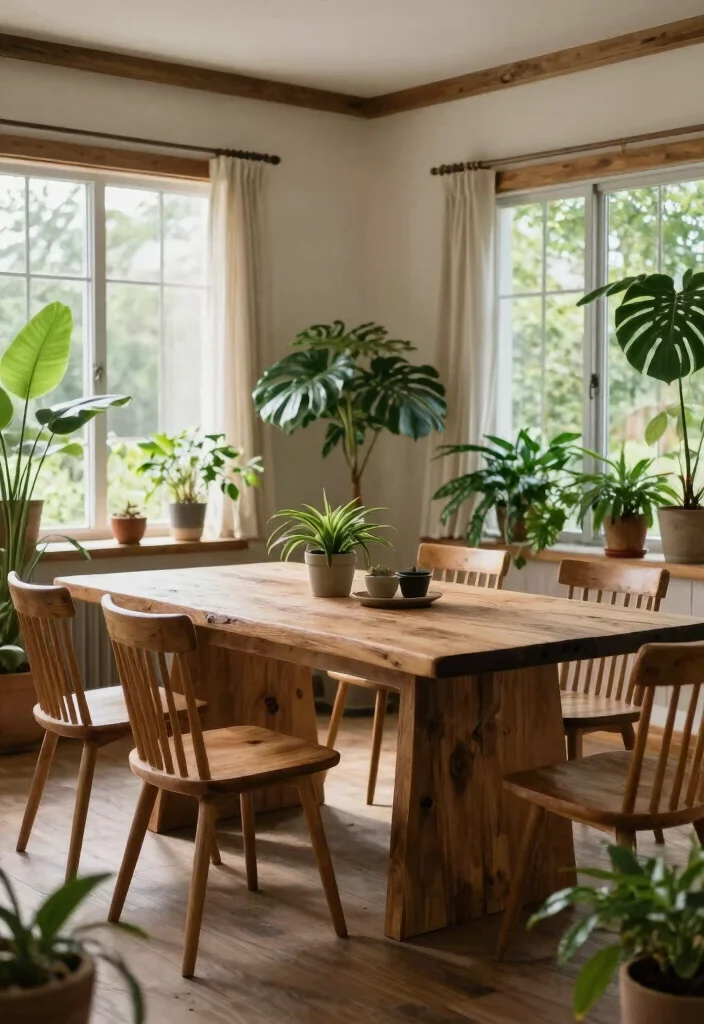
Incorporating natural elements into your dining room design creates a calming environment that resonates with warmth and tranquility. Elements like plants, wood accents, and stone materials bring the beauty of the outdoors inside.
Choose low-maintenance houseplants, such as succulents or ferns, to introduce greenery. Utilize wooden centerpieces or serving dishes to enhance warmth and texture, while maximizing natural light with sheer curtains or mirrors.
Consider these natural touches:
– Select easy-care plants to add greenery.
– Use wooden decor items for warmth.
– Maximize light with sheer curtains or mirrors.
These elements not only elevate the design but also promote well-being, making your dining room a peaceful retreat for all.
12. Personalized Touches
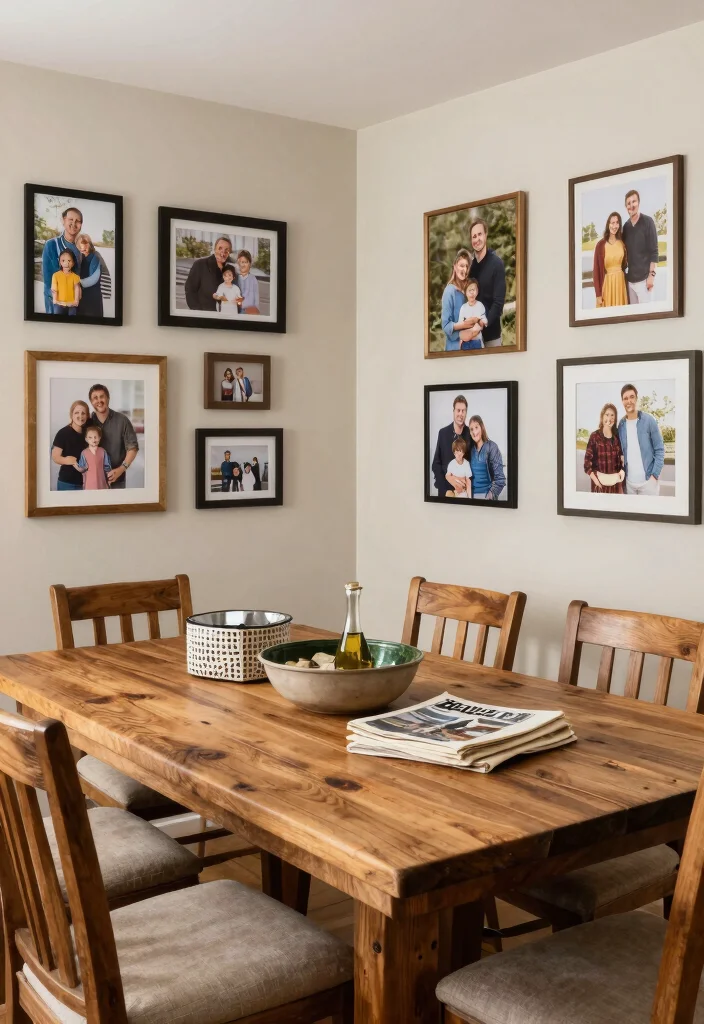
Adding personalized touches to your dining room makes it uniquely yours and reflects your individuality. Incorporating family heirlooms, art made by loved ones, or travel souvenirs infuses character into the space.
Create a dedicated area for family photos that tell your story, or showcase art crafted by family members on a designated wall or shelf. Collect items that represent your travels and stylishly display them to create a warm atmosphere.
Explore these personalization ideas:
– Dedicate a wall for family photos.
– Display crafts made by loved ones.
– Showcase travel souvenirs in a stylish way.
These personal elements ensure your dining room is not only aesthetically pleasing but also rich in memories and stories, making it a special space.
13. Seasonal Decor Changes
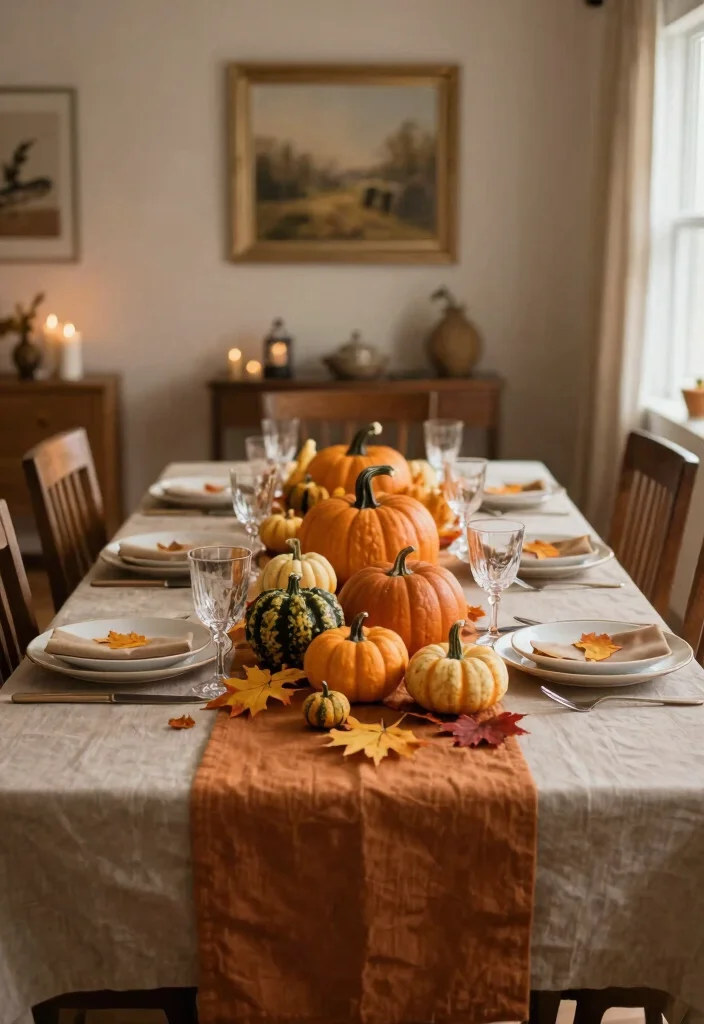
Changing your dining room decor with the seasons keeps the space feeling fresh and exciting. Simple swaps can transform the look and feel of your dining area, reflecting the beauty of the changing seasons.
Create seasonal centerpieces using elements like pumpkins in the fall or fresh flowers in the spring. Update table linens to match seasonal colors and themes for added flair, while changing decorative items like candles or dishware keeps the space lively.
Consider these seasonal updates:
– Create centerpieces that reflect the current season.
– Change table linens for seasonal themes.
– Update decor items like candles for freshness.
This approach not only enhances your dining room’s aesthetic but also keeps the space engaging and vibrant throughout the year.
14. Inviting Table Settings
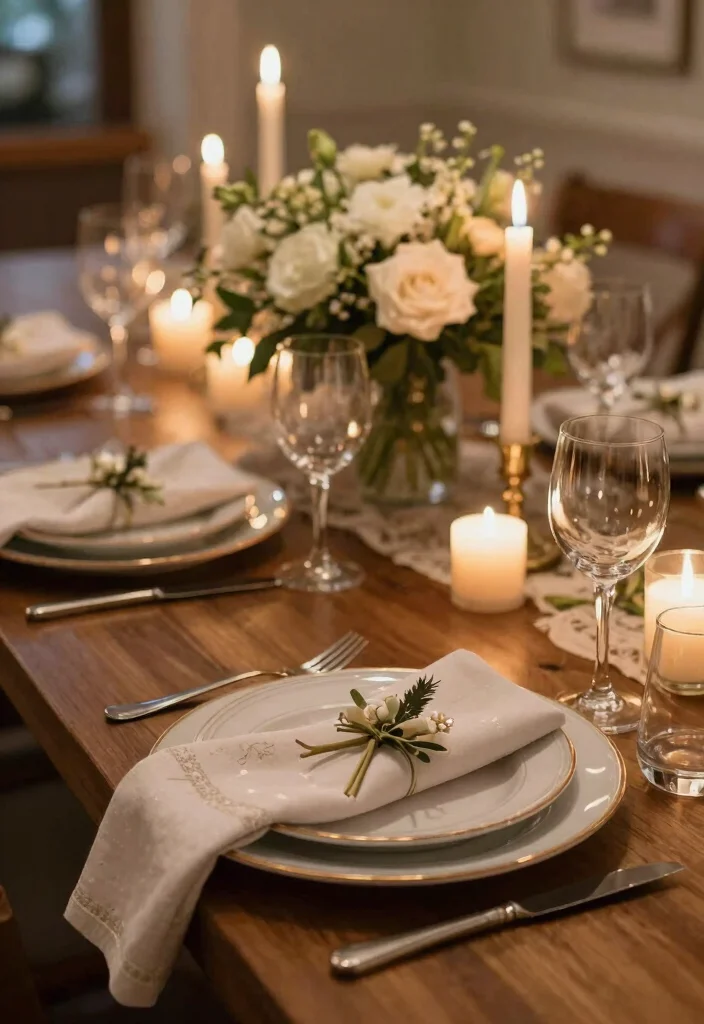
Crafting an inviting table setting is key to fostering a warm atmosphere in your dining room. A thoughtfully set table encourages conversation and makes meals feel special, enhancing the overall dining experience.
Begin with a charger plate layered with dinner and salad plates for an elegant presentation. Play with different napkin folds or use charming napkin rings to elevate the look. Adding candles and fresh flowers can create a romantic or festive feel, tailored to your occasion.
Here are some ways to create inviting settings:
– Layer plates starting with a charger for elegance.
– Experiment with creative napkin folds.
– Add candles and flowers for ambiance.
These details make every meal feel like a special occasion and contribute to the warmth of your dining space.
Conclusion

Transforming your dining room into a vintage modern haven is about balancing warmth and timelessness. By blending retro elements with modern touches, you can create a space that feels inviting and personal. Remember, the key is to reflect your personality through decor choices, color palettes, and layout design. These 14 ideas will help guide you in crafting a dining area that’s not just functional but also a true gathering place for friends and family.
Note: We aim to provide accurate product links, but some may occasionally expire or become unavailable. If this happens, please search directly on Amazon for the product or a suitable alternative.
This post contains Amazon affiliate links, meaning we may earn a small commission if you purchase through our links, at no extra cost to you.
Frequently Asked Questions
What exactly is a vintage modern dining room, and how can I start designing one that feels warm and timeless?
A vintage modern dining room blends mid-century pieces with timeless vintage finds to create a space that feels elegant, lived-in, and fresh.
To start designing one that feels warm and timeless, begin with a couple of anchors: a classic vintage dining table or teak sideboard paired with clean-lined seating, then pick a cohesive color palette of warm neutrals and earthy tones.
Build a mood board and test how vintage modern dining room elements look together before buying.
Add texture with natural fibers, warm wood, and soft textiles to invite coziness.
Finish with layered lighting and a few statement retro pieces for personality without overwhelming the room.
Which vintage furniture accents are must-haves in a mid-century modern dining space, and how can I arrange them for cozy dining room decor?
Must-have vintage furniture accents for a mid-century dining space include a signature teak dining table, sculptural chairs with comfortable cushions, a sleek credenza, and period-appropriate lighting like globe pendants.
Arrange by anchoring the room with a rug under the table, balance heavy wood with lighter metal or glass pieces, and give each seat a touch of comfort with cushions or throws.
Keep a clear sightline and avoid crowding the tabletop with knick-knacks; let one or two standout pieces do the talking.
Layer cozy textures—woven placemats, linen napkins, and a soft rug—to achieve cozy dining room decor without sacrificing style.
What color palettes work best for a warm vintage modern dining room, and how can I pair them with retro dining room design elements?
Try warm color palettes built on creamy whites, warm beiges, terracotta, olive greens, or mustard accents.
Pair these with warm color palettes by using large neutrals on walls and letting color show up in textiles, art, and accessories.
Integrate retro dining room design elements like terrazzo surfaces, sunburst mirrors, or geometric rug patterns to anchor the look.
Keep the walls light to prevent heaviness, then layer color through chairs, cushions, and artwork for depth.
A touch of metallic accents (brass or aged brass) helps tie vintage and modern pieces together.
How can I mix timeless interior styles with vintage furniture accents to avoid a dated look?
Start with a single timeless interior style as your foundation (for example, clean mid-century lines with subtle modern updates) and weave in vintage furniture accents as accents rather than the entire room.
Use a unifying material like warm wood or glass, maintain cohesive hardware, and repeat colors across textiles and art to create harmony.
Be mindful of scale—pair a large vintage piece with sleek, contemporary chairs to keep the space fresh.
Finally, reserve statement retro pieces for focal points and let other elements be understated so the room feels timeless, not themed.
What are practical steps and common mistakes to avoid when designing a vintage modern dining room on a budget?
Practical steps: define your plan with a few anchors, buy high-quality secondhand pieces for longevity, refinish wood if needed, and invest in good lighting to elevate the space.
Mix high and low—shop thrift stores for accents, then balance with affordable modern pieces.
Avoid mistakes like overloading the room with too many patterns, mismatched woods, or cluttered surfaces.
Instead, curate a few standout vintage pieces, keep the color palette cohesive, and use textiles and lighting to refresh the look without breaking the bank.
Related Topics
vintage modern dining room
retro dining room design
cozy dining room decor
timeless interior styles
vintage furniture accents
warm color palettes
mid-century modern
dining room accessories
home decor trends
sustainable design
easy updates
beginner friendly