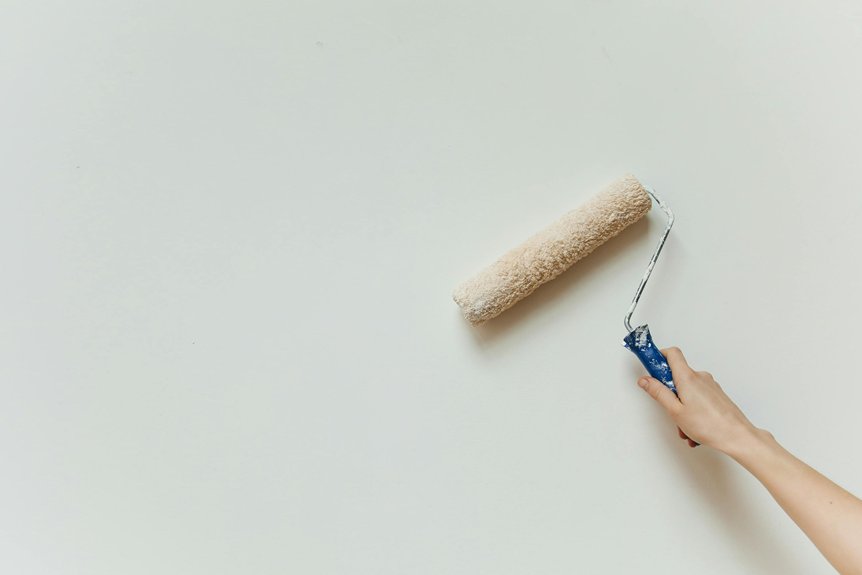
Most walls need two coats of paint—I recommend primer plus two finish coats for new drywall or color changes, or primer plus one coat if you’re repainting the same color on smooth, already-painted walls. Dark colors typically require two coats to avoid show-through, while quality paint and tools can reduce your total coats needed.
Before committing to your whole wall, I suggest testing a small 2-by-2-foot area to see if one coat suffices or you’ll need more coverage for the professional results you’re after.
The Quick Answer: Why Two Coats Are Standard
Why do painters always talk about two coats? I’ve learned it’s because they’re right. When I apply primer first, it creates better adhesion and prepares the wall properly. Then I add two finish coats, and here’s what happens: the first coat gives me initial coverage, but it often looks uneven in color and sheen. The second coat deepens the color and seals everything together for a professional result.
I don’t skip this step, even when repainting the same color. Dark colors especially need both coats to prevent show-through. The primer plus two finish coats system is the standard professionals trust because it delivers consistent, durable results. Your walls will look better and last longer with this approach.
Repainting the Same Color: When One Coat of Paint Is Enough

When I’m repainting a wall the same color, I’ve found that quality paint really does make the difference between needing one coat or two. I always test my coverage first by painting a small 2-by-2-foot section and letting it dry completely, which shows me whether the old color’s showing through or if I’ve got solid, even coverage. Once I see that the paint performs well on my specific wall—especially if it’s smooth and already painted—I can confidently move forward with just one coat and save myself time and money.
Quality Paint Makes Difference
Choosing quality paint can actually cut your work in half. When I switched to premium paint for my bedroom walls, I noticed the difference immediately. Better paint offers superior coverage, which means you’ll likely need just one coat instead of two when repainting the same color.
Quality paint provides excellent color consistency across your walls. I’ve found that high-end formulas deliver even pigment distribution, so the finish looks uniform without gaps or thin spots. This reliability means I can skip that second coat and still achieve professional results.
Using quality paint on your walls reduces the total coats needed, saving you time and effort while delivering the color match you’re after.
Testing Coverage Before Committing
Before you commit to painting your entire wall, I’d recommend testing your paint’s coverage on a small section first. I apply primer plus one coat to a two-foot square area, then let it dry completely. This matters because wet paint looks darker than dried paint, and you’ll spot gaps or uneven tone you’d miss otherwise. After it dries, I check whether that section needs a second coat. Textured areas and painted edges often require additional coverage for a uniform finish. This testing approach takes an hour but saves frustration across your whole wall. You’ll know exactly what to expect before tackling the larger areas to repaint, so you can buy enough paint and plan your time accurately.
New Walls and Color Changes: Primer Plus Two Coats

Why is primer so important when you’re painting new drywall or switching from a dark color to a light one? Primer seals the surface and prevents paint from absorbing unevenly, which stops that blotchy look called flashing. When I painted my guest bedroom from deep navy to soft cream, I learned this the hard way. I skipped primer on one wall and needed three finish coats. On the other walls, I applied one primer coat followed by two finish coats, and I got solid coverage with uniform appearance.
For new walls, this primer-plus-two-coats approach is standard. It gives you reliable results whether you’re matching colors or making dramatic changes. Test your coverage after the first finish coat—if the wall still shows through, that second coat seals the deal.
Dark Colors Over Light: How Many Coats Do You Need?
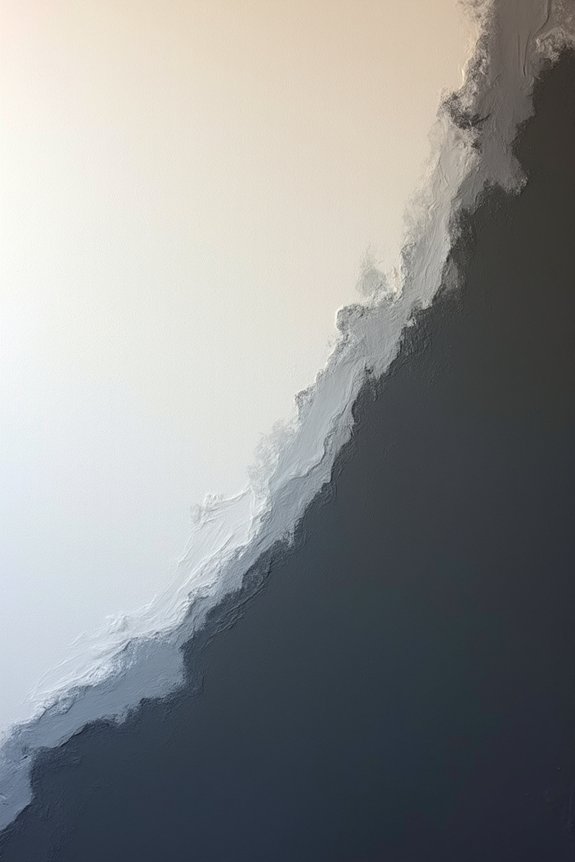
How many coats do you really need when you’re painting a dark color over a light background? Dark colors need at least two coats for proper coverage. When I painted my bedroom walls navy blue over cream, one coat showed the lighter color underneath, so I applied a second coat for solid results.
In some situations, you’ll need three coats, particularly on textured surfaces. Using a primer first helps reduce the number of coats required, but plan for two coats of your dark color over it. Test your chosen color on a small wall section under different lighting before committing. This helps you determine if two coats will work or if you’ll need that third coat for accurate color representation.
Ceiling Paint Coats and Textured Surfaces: Special Rules

When you’re painting a ceiling, the rules shift a bit from wall painting. I’ve found that ceiling paint typically needs just one coat if you’re using quality paint over white or primer. However, textured surfaces like popcorn or knockdown change things. They consume more paint and demand thicker rollers for proper coverage.
| Surface Type | Coats Needed | Key Consideration |
|---|---|---|
| Smooth ceiling | 1 coat | Quality paint essential |
| Textured ceiling | 1-2 coats | Increased paint consumption |
| Stained ceiling | 2 coats | Primer blocks stains |
If stains exist, I recommend applying stain-blocking primer first. For textured surfaces, I use overlapping passes to avoid thin spots that reveal underlying color. Two coats guarantee uniform results, especially when you’re dealing with darker finishes or imperfect prep work.
Why Your Brush, Roller, and Paint Brand Matter
I’ve learned that your brush, roller, and paint choice affect how many coats you’ll need. When I switched from cheap rollers to quality covers like those with Purdy Nylox brushes, I noticed fewer lint particles and smoother coverage that reduced my coats from three down to two. Premium paint brands matter because they have better opacity, so you’re building thicker, more even film with each coat rather than dealing with thin, patchy coverage.
Tool Quality Impact On Coverage
Ever wonder why some painters finish a room in two coats while others need three or four? The answer often comes down to tool quality and coverage.
I’ve learned that premium brushes like Purdy Nylox and quality rollers make a real difference. Here’s why tool quality matters:
- Better brushes lay down thinner, more even coats that build stronger film
- Quality rollers prevent lint shedding that forces extra coats to hide texture
- Good tools paired with premium paint achieve uniform application more reliably
When I switched from cheap tools to quality ones, I noticed my paint type performed better. Even application became easier, and I needed fewer coats. Your brush, roller, and paint brand work together—investing in good tools means less work overall and results you’ll be proud of.
Brush Versus Roller Performance
Should you brush or roll your walls? Brushes lay down more paint per pass, so they often need one fewer coat than rollers. However, rollers cover larger areas faster, making them ideal for big spaces. Your tool quality directly affects coat count. Premium brushes like Purdy Nylox and quality roller covers create an even finish with fewer coats. Cheap tools shed lint and apply paint unevenly, requiring additional coats to achieve uniform coverage.
| Tool | Coverage | Coats Needed | Best For |
|---|---|---|---|
| Premium Brush | Excellent | 1-2 | Detail work |
| Budget Brush | Poor | 2-3 | Trim only |
| Quality Roller | Very Good | 2 | Large walls |
| Cheap Roller | Fair | 3+ | Avoid |
Invest in better tools—you’ll save money and frustration.
Premium Paint Brand Selection
Why does choosing the right paint brand matter when you’ve already invested in quality tools? Premium paint delivers better coverage and color hold, meaning you’ll spend less time repainting. Brand selection directly impacts how many finish coats you actually need.
Here’s what matters most:
- Premium formulas reduce coats needed, especially with dark colors requiring just two coats over primer
- Quality paint works with your tools to create uniform film build on every wall
- Budget brands force extra coats, wasting time and money despite having good brushes
When I switched to premium paint alongside my quality roller, walls needed fewer applications. Pairing primer plus two finish coats with a trusted brand produces professional results that last longer than cheaper alternatives.
Test Your Paint Coats: Quick Spot Checks Before Full Commitment
Before you commit to painting your entire wall, testing a small area first saves time and money. I always pick a 2-foot-by-2-foot spot in an inconspicuous corner and apply my primer plus two coats of paint there. This spot check reveals whether your walls need two coats or if one will do the job. Textured surfaces absorb more paint, so they almost always demand extra coverage. By testing on actual walls rather than guessing, you’ll know exactly what you’re working with before tackling the whole room. This approach keeps you confident and prevents costly mistakes that waste both paint and effort.
Why You Might End Up With Three Coats (And How to Avoid It)
Sometimes two coats aren’t enough, and that’s okay—it just means you’ve hit one of those tricky situations that demands extra coverage. I’ve learned that certain scenarios require a third coat to get the finish you want.
You’ll likely need that third coat when you’re facing:
- Extreme color transitions like painting red over white walls, where pigment opacity struggles without extra layers
- Heavily textured surfaces such as brick or stucco that absorb paint unevenly
- Eco-friendly low-VOC paints that build thickness more slowly than traditional options
If primer tint shows through after your second coat, or if color bleed appears at edges, add a third coat. Testing spot areas first saves you time and frustration. You’re not alone in needing this extra step—it’s simply part of achieving professional results on challenging projects.