Converting your crawl space into a basement starts with three critical steps: hire a structural engineer to assess your soil and footing, secure building permits that verify code compliance, and plan your drainage strategy before breaking ground.
You’ll excavate adjacent to your existing crawl space wall, build a new stem wall about three feet away, and install waterproofing and moisture barriers.
Costs range from $50,000 to over $100,000 depending on finishes.
The entire process typically takes six months or longer, but the result—added living space and home value—makes it worthwhile if you tackle each phase properly.
Why Add a Basement to Your Existing House With a Crawl Space
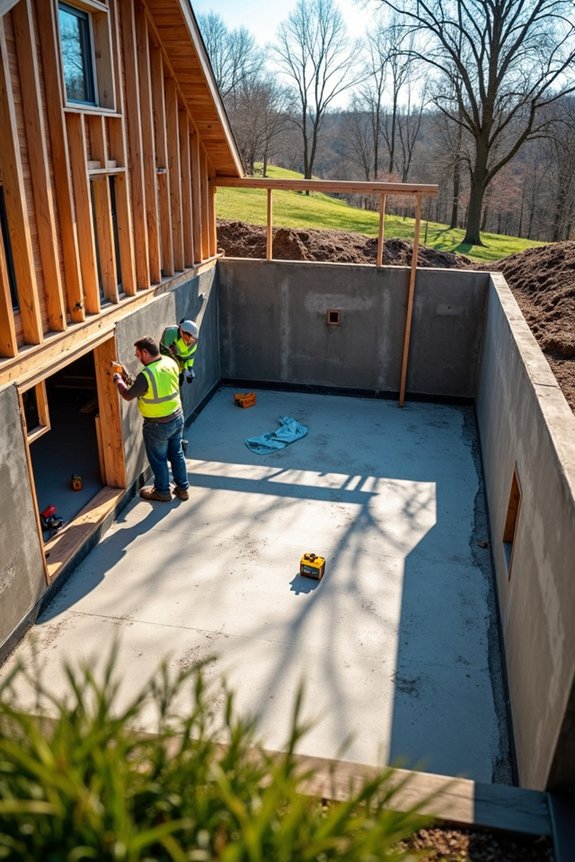
Why would you want to convert your crawl space into a basement? A basement conversion puts wasted space to work as valuable living area. You’ll gain extra square footage for a bedroom, office, or recreation room. I’ve seen how basement conversion projects solve crawl space issues like inadequate storage and pest problems. You’ll also notice improved home value—potential buyers appreciate finished basements.
The real benefit? You’re joining homeowners who’ve reclaimed their underutilized foundation space. Converting eliminates moisture concerns by replacing dirt floors with proper concrete foundations. Addressing drainage and moisture issues prevents future mold and structural damage.
Your crawl space becomes a functional, dry space. It’s practical, achievable, and worth the investment for your family’s long-term comfort and your home’s structural integrity.
Before You Build: Soil, Foundation, and Permit Checks for Basement Additions
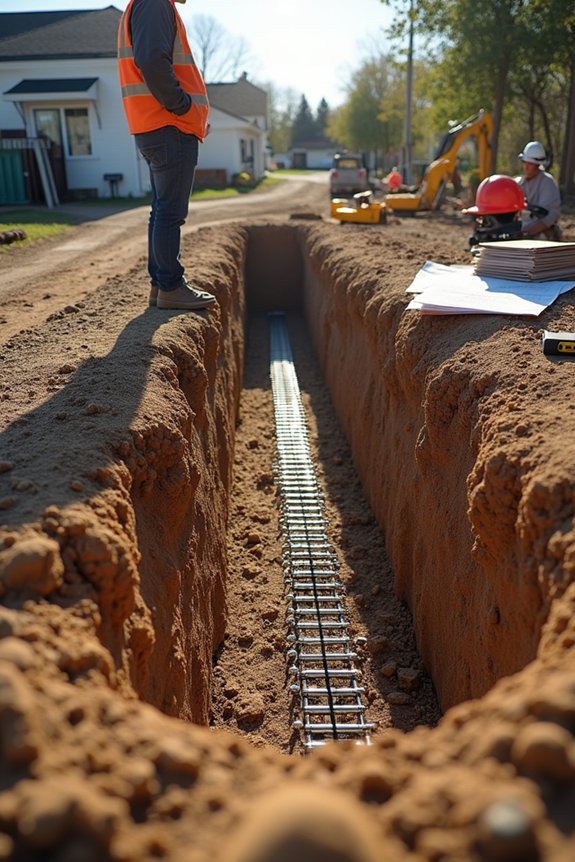
Once you’ve decided to reclaim your crawl space, you’ll need to address the foundation work that makes it all possible. I recommend starting with a soil bearing capacity assessment—this tells you if your ground can support the added weight. You’ll want a structural engineer to evaluate your specific situation and confirm basement feasibility for your home.
Next, I’d verify local permits and codes before breaking ground. This step matters; I’ve seen projects delayed because they skipped it. You’ll also need to plan drainage carefully to prevent water problems later.
Finally, examine how your floor joists run and where you’ll connect the new basement to your existing crawl space. These details determine your construction approach and overall success.
What a Basement Addition Actually Costs: A Stage-by-Stage Budget
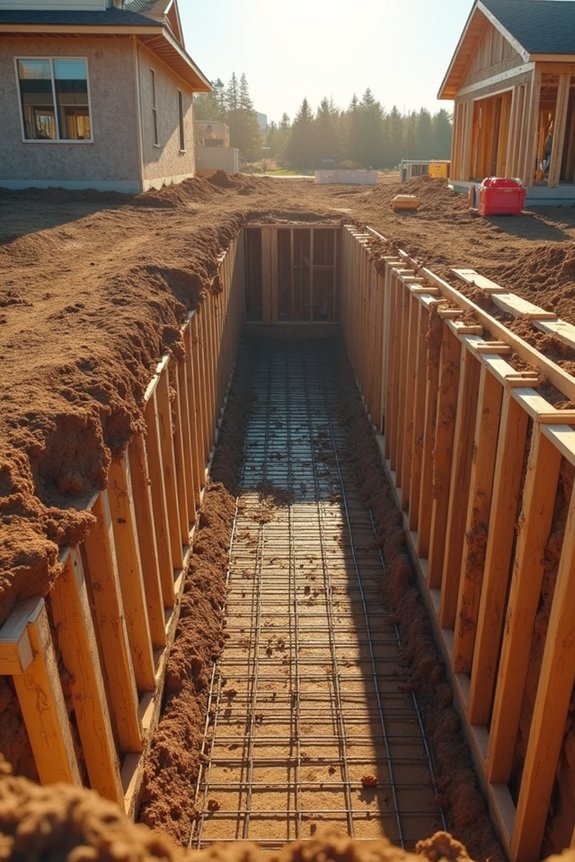
I’m going to walk you through the real costs you’ll face, from that initial planning phase all the way through finishing your basement, so you can actually budget for this project without surprises. You’ll need to understand what happens at each stage—starting with those foundation checks and permits that can take months, then moving into the heavy construction work like excavation and waterproofing, and finally the finishing details that make a raw space into a usable room. Breaking down these phases helps you see where your money goes, whether you’re aiming for a basic setup around $50,000 or investing in premium finishes that push past $100,000.
Initial Assessment and Planning
Before you can pour concrete or hire a crew, you’ll need to figure out what you’re actually working with—and what it’ll cost you. This planning phase typically takes up to 6 months and involves assessing your basement feasibility carefully. You’ll want a professional inspector to evaluate your existing foundation, soil type, and drainage conditions. These factors determine whether your project stays affordable or becomes complex. I’ve seen homeowners discover unexpected costs like old concrete floor removal (often $1,000+) or underpinning needs during this stage. Getting accurate measurements and understanding your site’s specifics prevents costly surprises later. Budget $50,000 as a starter cost, though luxury finishes exceed $100,000. This upfront planning investment pays dividends by keeping your project on track financially and timeline-wise.
Construction Through Finishing Phases
Now that your site assessment’s complete and your budget’s set, the real work begins—and this is where most homeowners see their costs actually materialize. Your basement construction enters three distinct phases, each with specific expenses you’ll encounter.
| Phase | Timeline | Cost Range |
|---|---|---|
| Excavation & Structure | 3–5 months | $30,000–$50,000 |
| Waterproofing & Foundation | Concurrent | $10,000–$20,000 |
| Finishing Costs | 1–2 months | $10,000–$40,000+ |
Excavation starts everything. You’ll remove soil, pour footings, and construct walls—the backbone of your space. Waterproofing runs simultaneously, protecting against moisture. Finally, finishing costs depend entirely on your choices: basic concrete floors run modest budgets, while plumbing, electrical, drywall, and premium tile finishes increase expenses substantially. Most projects total $50,000 to over $100,000 depending on your selections and site conditions.
Basement Addition Methods: Choosing the Right Approach for Your Crawl Space
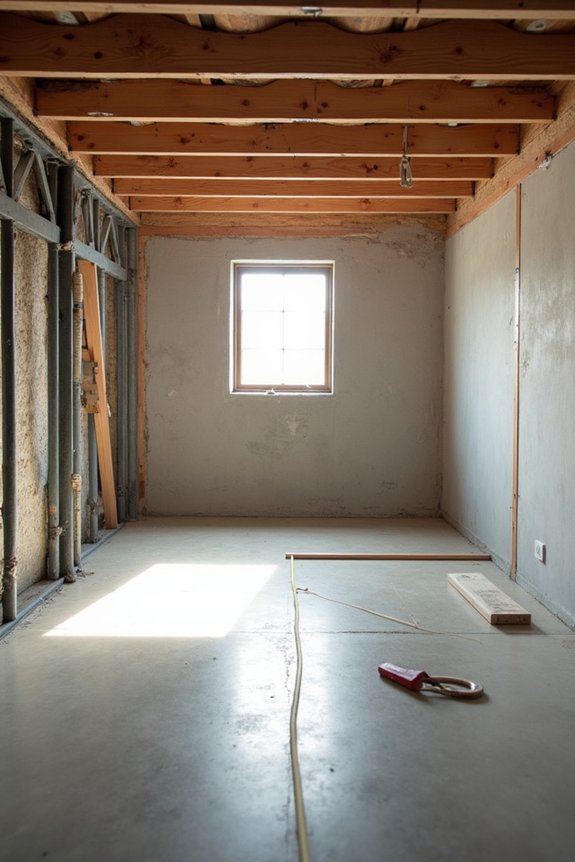
When you’re ready to convert your crawl space into a basement, you’ll face several distinct methods, and picking the right one depends on your home’s current foundation and how much disruption you’re willing to tolerate.
I’ve seen homeowners successfully use these approaches:
- Replace existing footings with new ones or bearings to support your home properly
- Run a beam 3–4 feet from the exterior wall to create working space
- Build a stem wall adjacent to your crawl space wall for basement support
- Dig adjacent to the footing and construct new basement walls while temporarily supporting your house with steel I-beams
Each method requires careful planning of your footings and basement walls. When connecting to existing joists, verify parallel orientation and matching elevations. The right choice balances your budget, timeline, and comfort with construction activity.
Steps to Convert Your Crawl Space Into a Finished Basement
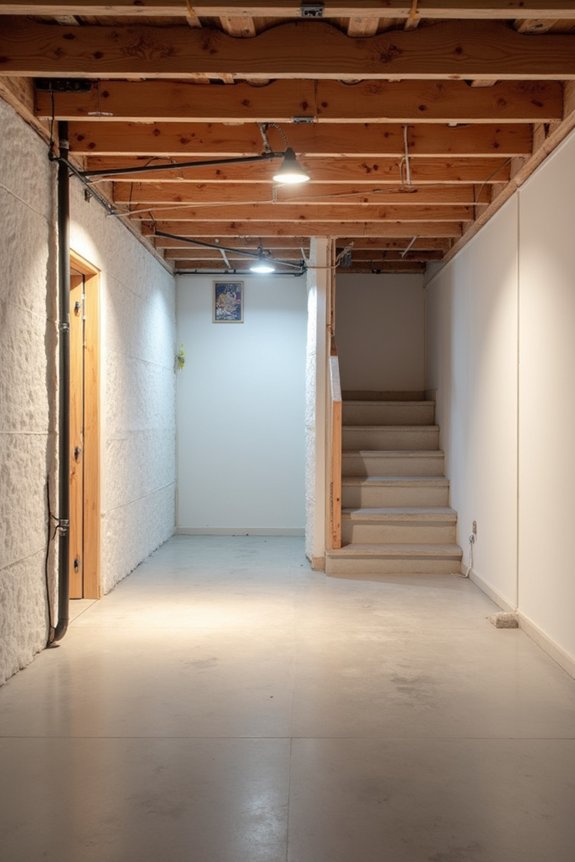
Converting your crawl space successfully starts with a solid foundation of planning and professional guidance. I recommend hiring a structural engineer and licensed contractor to evaluate your soil’s bearing capacity and local building codes first. Your basement conversion requires careful attention to moisture control, which prevents water damage and hydrostatic pressure issues. Plan to build a new wall about 3 feet from your existing crawl space wall, then backfill that gap and cap it with 3 feet of concrete matching your current footer height. This crawl space upgrade might involve adding a stem wall or underpinning your footing for proper support. Getting permits isn’t optional—they’re required. By coordinating with bonded professionals and prioritizing drainage solutions, you’ll have a safe, finished basement.
Waterproofing Your New Basement: Drainage Strategy During Construction
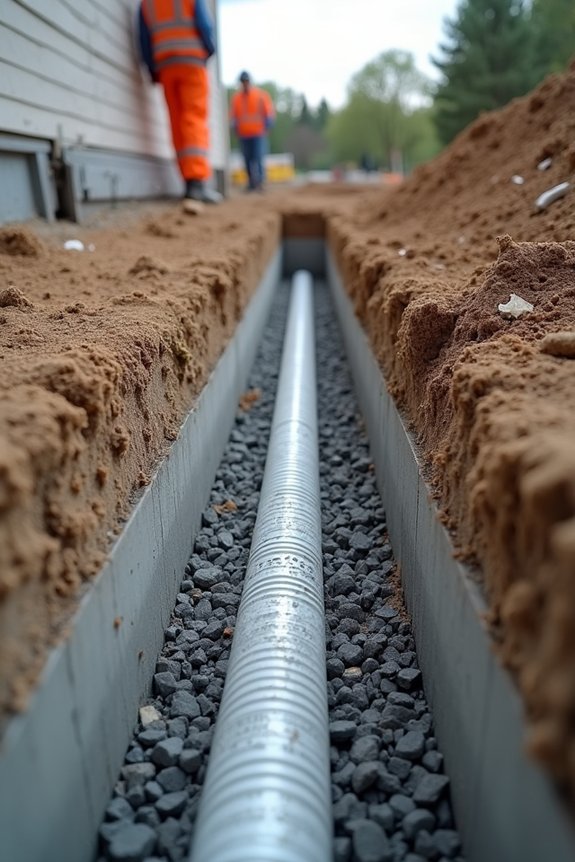
Have you considered how water moves through soil around your home? When I added my basement, I learned that proper drainage systems are important before pouring concrete. Here’s what I implemented:
- Install exterior waterproofing on all foundation walls and footings
- Design site grading to direct water away from your new basement
- Compact backfill carefully and maintain a 3-foot moisture-guarded cap gap
- Add a sump pump or interior vapor barriers for residual moisture
I coordinated my drainage strategy with my Michigan-style basement design, aligning walls to prevent water intrusion. This moisture management approach meant integrating storm and sewer drainage properly. During construction, I used temporary containment to stop water damage. These drainage systems work together, protecting your investment and creating the dry basement space you need.
Basement Addition Problems: Water, Settling, and Code Violations
I’ve watched basement additions fail because homeowners underestimated water intrusion and code violations, so I want to help you avoid those costly mistakes. You’ll need to prevent water from seeping through your new walls by installing proper drainage systems and waterproofing before problems start, and you can’t skip getting building permits or having a structural engineer review your plans—these aren’t optional steps. Settling issues and moisture damage become expensive problems quickly, but addressing water prevention and code compliance upfront protects both your investment and your existing house’s foundation.
Water Intrusion Prevention
Why do so many basement additions fail within just a few years? Water intrusion is the culprit. I’ve learned that preventing it requires a solid plan combining basement waterproofing, drainage design, and moisture control.
Here’s what I focus on:
- Site drainage: Direct water away from your new walls using proper grading and gutters
- Moisture barriers: Install protection between new walls and surrounding soil to block water penetration
- Footing gaps: Use 3-foot concrete-filled gaps at the footer line to manage water flow safely
- Backfill compaction: Tamp soil properly around your new basement to prevent settling and water pockets
I’ve seen homes suffer costly damage when builders skip these steps. You’ll want experienced professionals handling your drainage design, especially if your lot has poor existing storm drainage. Getting this right now saves thousands later.
Code Compliance Requirements
Once your drainage system is in place, you’ll need to address code compliance—this is where basement projects either succeed or encounter significant obstacles.
Building permits are mandatory requirements. You’ll need to submit plans detailing your basement waterproofing strategy, structural details, and compliance with local standards. Most jurisdictions require egress windows or doors for habitable spaces—typically at least one 5.7-square-foot window per bedroom.
I learned this firsthand when my contractor initially skipped the fire-rated drywall requirement. That oversight would have cost thousands in corrections. Professional engineers verify that your footings, walls, and moisture barriers meet code specifications. They identify issues before inspection failures occur.
Take this step seriously. Your investment depends on completing it correctly.
Does Adding a Basement Increase Your Home’s Value?
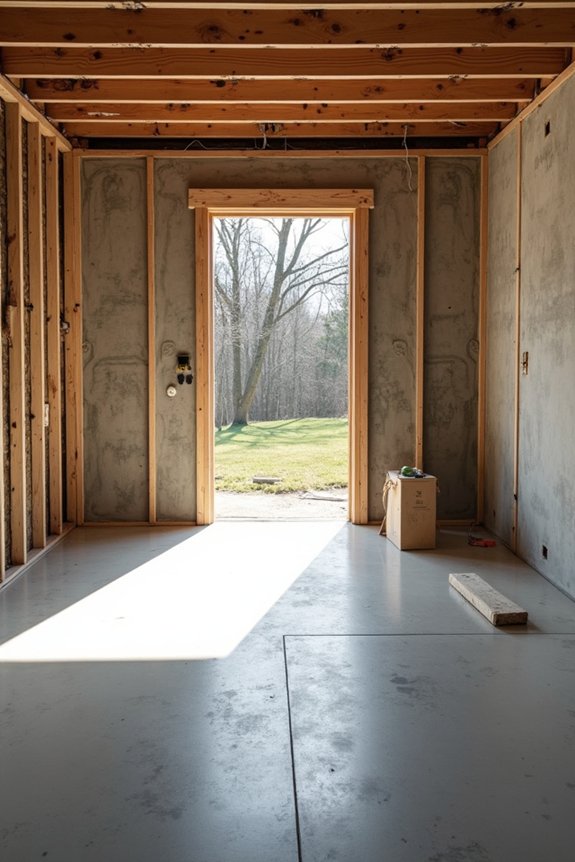
Adding a basement can boost your home’s value, but the payoff depends on several important factors. I’ve seen basement projects make homes more attractive properties for buyers. Your value increase comes from expanding living space, but quality matters tremendously.
Here’s what really impacts your basement’s value contribution:
- Proper permits and code compliance — legally finished basements command higher resale prices
- Quality finishes — earth-toned insulation, waterproofing, and moisture control systems protect long-term value
- Functional features — bathrooms, kitchens, or separate entrances add real appeal
- Structural integrity — solid construction prevents costly future issues
When you finish your basement well, you’re not just adding square footage. You’re creating genuine living space that buyers actively want. Homes with professionally completed basements typically see stronger appreciation than unfinished or problematic projects. Your investment pays off best when you prioritize quality over shortcuts.